


Where Exactly Is Bull Mountain?
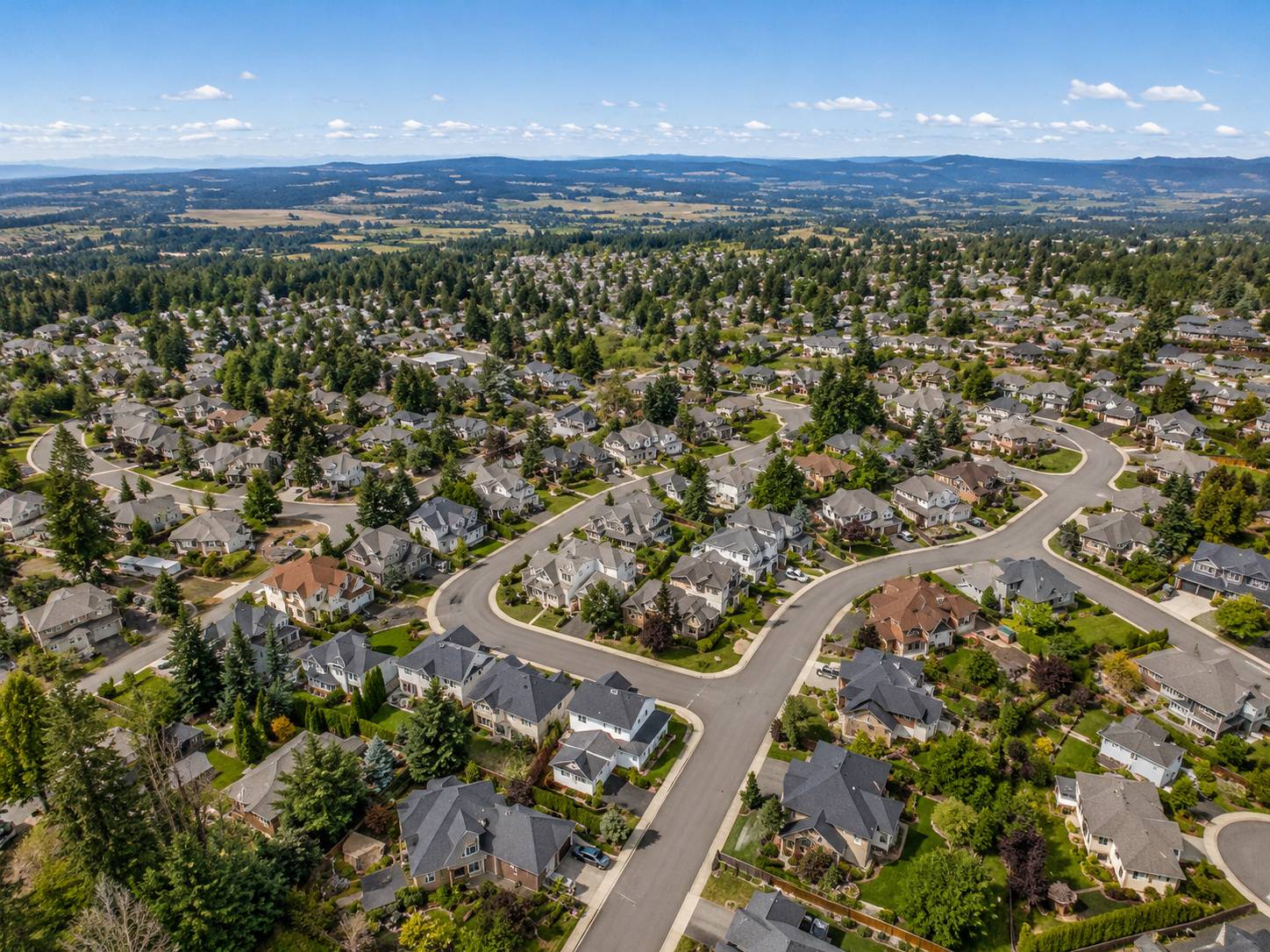
Bull Mountain is an unincorporated community in Washington County, Oregon, occupying the elevated terrain of the Bull Mountain ridge and its surrounding hillside slopes in the southwestern portion of the Portland metro. The community sits south and southwest of Tigard, west of Lake Oswego and the Tualatin River corridor, north of Sherwood, and east of the broader Tualatin Valley agricultural plain that stretches toward the Coast Range. The Bull Mountain ridge rises to approximately 700 feet above sea level — a modest elevation by Cascade standards but a meaningful one within the Tualatin Valley landscape, where the flat valley floor makes Bull Mountain's elevated position visible from considerable distance and gives residents of its upper streets territorial sightlines that the surrounding suburban communities simply cannot offer from ground level.
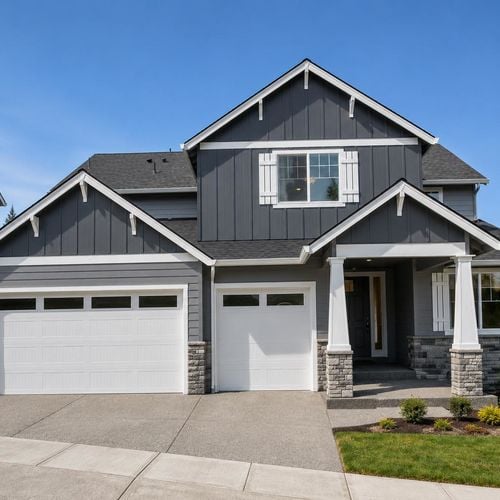
The community's residential character reflects two distinct development eras that coexist more successfully in Bull Mountain than they do in most suburban hillside communities — an older established residential fabric on the lower and mid-elevation slopes developed primarily through the 1970s and 1980s, and a more recent planned residential development on the upper slopes and ridge that brought contemporary builder construction, community infrastructure, and the kind of neighborhood amenity packages that 2000s and 2010s residential development in Washington County's premium corridors produced at their best. The result is a community with genuine variety across price point, age of construction, and residential character — from mid-century hillside ranches on established lots with mature tree canopy to newer craftsman-style single-family homes in planned neighborhoods with community parks and walking trail connections — all sharing the fundamental asset of elevation that defines Bull Mountain's identity within the southwest Washington County landscape.
Bull Mountain falls within the Tigard-Tualatin School District — a solid public school system serving the southwestern Washington County community with academic programming, extracurricular infrastructure, and the community investment that a well-established suburban district in Washington County produces and sustains. For families with school-age children, the district's specific school assignments and programming options for Bull Mountain addresses are worth confirming early in the search process, as the mountain's geographic extent and the district's attendance boundary structure can produce different school assignments for different elevation and location combinations within what appears on a broader map to be a single community.
Portland International Airport is approximately 18 to 26 miles from Bull Mountain, typically a 28 to 42 minute drive depending on traffic, time of day, and your specific route through the southwest metro corridor toward PDX. The most practical driving paths run north through Tigard and into the Portland west side via Highway 217 to I-5 north and east toward the airport, or via the Beaverton-Hillsdale Highway to the Sunset Highway and the I-5 corridor. The MAX Orange Line is accessible from the nearby Tigard Transit Center — a short drive or extended drive from most Bull Mountain addresses — providing transit connectivity south toward Milwaukie and north through downtown Portland and the South Waterfront, with connections to the Red Line at the Gateway Transit Center for PDX transit access. For frequent travelers and households where airport proximity is a meaningful quality-of-life factor, Bull Mountain delivers a workable and predictable airport driving commute from the southwest metro's most elevated residential address — not the shortest drive to PDX in the metro, but entirely manageable and offset by the neighborhood's other practical and lifestyle advantages that buyers consistently weigh against it.
What Your Money Gets You: Homes at Every Price Point
Bull Mountain's housing market is more varied than most unincorporated Washington County communities at its prestige level — a reflection of the two development eras that define the community's residential fabric and the meaningful price differentiation that elevation, view orientation, and construction era produce within a community whose geographic footprint spans several hundred feet of vertical relief and multiple decades of residential development activity. The older established residential stock on the lower and mid-elevation slopes shares the mid-century condition variability that characterizes the broader eastern Washington County unincorporated community market. The newer planned residential development on the upper slopes delivers the contemporary construction quality, the community infrastructure, and the finish levels that 2000s and 2010s builder production brought to Washington County's premium hillside corridors at their highest investment level. Understanding which part of Bull Mountain a specific property occupies — and what the elevation, the view orientation, the construction era, and the neighborhood character of that specific location delivers relative to the others — is the essential pre-offer context that aggregate market statistics cannot provide.
Here is a realistic look at what different price points deliver in this market:
$525,000 – $675,000 Entry-level Bull Mountain delivers the community's older residential stock on the lower and mid-elevation slopes — primarily 1970s and 1980s single-family construction in the 1,400 to 1,900 square foot range, three to four bedrooms, two baths, and the split-level and hillside ranch configurations that residential construction on sloped terrain in this era tended to produce in response to the site conditions rather than in spite of them. Lots at this price point reflect the development era's generosity relative to contemporary production standards — deeper, more naturally vegetated, and often more privately positioned than the tighter lot configurations that newer planned development on the upper slopes produces in exchange for community infrastructure and contemporary floor plans. Condition at this range is the defining variable — some homes have been maintained and updated by long-term owners who understood Bull Mountain's value and invested accordingly over decades of stewardship. Others carry the accumulated systems and cosmetic deferred work that residential stock of this age develops through extended ownership cycles without active maintenance investment. The value is genuine: Bull Mountain elevation, Washington County tax structure, Tigard commercial infrastructure access, and the southwest metro centrality that the ridge's position between Tigard and Sherwood produces — at a price point that the location quality and the hillside character would not sustain if the construction era and condition variability were not the primary factors holding it there. For buyers who can evaluate a hillside property from the 1970s and 1980s for its structure, its site, and its systems rather than its surface presentation, this range produces real opportunity that buyers shopping exclusively for visual readiness consistently walk past.
$675,000 – $850,000 This is the most active and most varied price band in the Bull Mountain market — the range that encompasses the best of the older established residential stock in fully updated or comprehensively maintained form, the entry level of the newer planned development communities on the upper slopes, and the properties where the transition between the community's two development eras produces the most interesting value configurations for buyers who understand what they are evaluating. Homes in this range span from updated mid-century split-levels on established lots with mature privacy landscaping and genuine territorial views from elevated rear decks, to newer craftsman-style single-family homes in planned neighborhoods with community parks, walking trail connections, and the contemporary floor plan configurations that buyers moving from recently built suburban stock find immediately familiar and immediately livable. Three to four bedrooms, two to two and a half baths, kitchens that reflect either genuine renovation investment in older stock or the builder-standard finishes of newer construction that have held up with normal use and maintenance. For move-up buyers, families prioritizing Washington County's financial structure alongside the Tigard-Tualatin School District, and relocators from higher-cost markets who want the combination of elevated setting, territorial views, and southwest metro accessibility that Bull Mountain delivers — this is the range where the community's full value proposition becomes most clearly legible.
$850,000 – $1,100,000 At this level, Bull Mountain begins to deliver its most compelling residential product in both its established and newer development categories. In the older residential fabric, this range accesses the most extensively renovated hillside properties — homes where owners have invested seriously in bringing 1970s and 1980s structures to contemporary living standards without sacrificing the elevated site positioning, the mature natural setting, or the territorial view corridors that the community's best older lots deliver and that newer development parcels on the upper slopes cannot fully replicate despite their contemporary construction advantages. In the newer planned development communities, this range delivers the larger floor plans, the more premium lot positions, and the elevated view configurations that the upper slope development reserved for the sites that justified additional premium — lots where the territorial sightlines across the Tualatin Valley, the Willamette Valley toward the south, and the Cascade peaks on clear days are most fully expressed. Four bedrooms, two and a half to three baths, primary suites with genuine scale and separation, outdoor living spaces oriented toward the view corridors that justify the hillside premium, and the kind of neighborhood positioning within Bull Mountain's community fabric that puts residents on the streets where the daily experience of living at elevation is most fully realized rather than approximated from a less advantaged lot position within the broader community.
$1,100,000 – $1,450,000 Homes at this level represent the strongest and most site-specific residential product Bull Mountain offers — the properties where the combination of lot position, view orientation, construction quality, renovation investment, and neighborhood character within the community converges at a standard that justifies the price for buyers who have been specific about wanting the most complete version of the Bull Mountain proposition. Custom or extensively custom-upgraded properties on the ridge's most commanding lots, where the territorial views across the Tualatin Valley to the Coast Range, south toward the Chehalem Mountains and the northern Willamette Valley, and east toward Mount Hood and the Cascades on the clearest days are most unobstructed and most dramatic. Four to five bedrooms, three-plus baths, primary suites with the architectural intention and spatial scale that buyers at this level have built their expectations around, kitchens designed rather than specified, and outdoor living spaces — covered terraces, view-oriented decks, and in some cases outdoor kitchen and entertainment infrastructure — that reflect a serious engagement with what the elevated site actually offers rather than a standard covered patio appended to a house that never fully considered its relationship to its own terrain.
$1,450,000 and above The upper end of the Bull Mountain market is defined by the rarest and most site-specific properties in the community — custom-built or comprehensively custom-renovated homes on the ridge's most exceptional lots, where the combination of view corridor quality, lot character, architectural investment, and neighborhood positioning places them in a category that the broader Washington County market cannot replicate at any price. These properties surface infrequently, attract buyers who have been specific about their criteria long enough to recognize the right property without deliberation, and move to buyers who were already prepared rather than sitting for the market to organize around them. If you are in this range and serious about what Bull Mountain's most exceptional inventory offers, being connected and ready is the only correct posture.
Median home price on Bull Mountain: The median sits in the $720,000 to $820,000 range — a figure that reflects the community's elevated setting, its view premium, its Washington County financial structure, and the consistent demand that the combination of territorial views, southwest metro accessibility, and hillside residential character generates from buyers who have evaluated the location honestly rather than filtered it out on the basis of a name that carries less immediate metro recognition than Lake Oswego or the West Hills communities it competes with qualitatively. Against Lake Oswego at the same median, Bull Mountain consistently delivers larger lots, more territorial view opportunities at comparable elevations, and a Washington County financial structure that Lake Oswego's Clackamas County and incorporated city overhead cannot match. Against Tigard's valley floor communities at lower price points, Bull Mountain delivers the hillside character, the view corridors, and the residential privacy that elevation and topographic variation produce and that no amount of landscaping or community amenity investment in flat suburban development can replicate. The premium relative to the broader Tigard market is earned through differentials that are geographic and structural rather than trend-driven, and it has been sustained across market cycles in a way that reflects the durable demand that genuinely irreplaceable site qualities generate in established residential markets.
What About Renting in This Area?
The Bull Mountain rental market is limited in the way that predominantly owner-occupied hillside communities in desirable southwest Washington County locations consistently are — the combination of the community's ownership culture, the price point of its housing stock, and the absence of the apartment and multi-family rental development that flatter, more commercially developed communities accumulate over time means that rental inventory here is almost entirely composed of single-family homes offered by individual landlords rather than purpose-built rental stock. What exists turns over slowly and tends to find tenants through local real estate networks and community connections rather than through extended public-facing exposure on major listing platforms.
Single-family rentals on Bull Mountain typically run between $2,400 and $4,000 per month depending on size, condition, elevation, view orientation, construction era, and the presence of any updated finishes or systems that command a premium in the rental market. A three-bedroom, two-bath home in solid condition on a mid-slope lot rents around $2,400 to $3,000. A larger, updated four-bedroom home in a newer planned development community with contemporary finishes, meaningful outdoor space, and any view component pushes into the $3,000 to $4,000 range. Homes at the upper end of Bull Mountain's quality spectrum, when they appear as rentals — typically in corporate relocation or short-term owner-absence situations — command the top of that range and lease to well-qualified tenants who recognize the value relative to the purchase market.
The broader Tigard rental market immediately to the north provides a significantly larger and more varied rental inventory across apartment, townhome, and single-family configurations at price points that start meaningfully below Bull Mountain's single-family range — a practical alternative for relocators who want to establish themselves in the southwest metro before purchasing, or for renters whose budget is better served by Tigard's valley floor inventory while they orient to the Bull Mountain purchase market from a practical distance that the short drive between the two communities makes workable.
Things to Do In and Around Bull Mountain
Bull Mountain's position on the elevated southwestern ridge of Washington County places residents within reach of an outdoor, recreational, and community amenity range that the surrounding flat suburban communities consistently underestimate until they begin using what the hillside access, the southwest metro centrality, and the proximity to the Tualatin River and Willamette Valley corridors deliver in combination.
Bull Mountain Park is the community's primary neighborhood park and one of the better community green spaces in the Washington County southwest corridor — a well-maintained park with walking trails, open athletic fields, playground infrastructure, and the elevated setting that gives even a routine afternoon walk from a Bull Mountain residential address a visual quality that flat suburban parks simply cannot replicate. The park's integration with the community's residential fabric and its use as a daily gathering point for Bull Mountain families reflects the neighborhood investment culture that characterizes the community's residential base.
Tualatin Community Park in Tualatin is 15 to 20 minutes south and delivers one of the most complete community park experiences in the Washington County south corridor — athletic facilities, open green space, walking and cycling infrastructure, and the community gathering capacity that a well-funded city park system produces when it serves a residential community that actually uses it rather than treats it as background scenery.
Cook Park along the Tualatin River in Tigard is 15 to 20 minutes north and delivers the river-adjacent outdoor experience that Bull Mountain's elevated setting does not independently provide — trail access along the Tualatin River corridor, river access for kayaking and paddling, picnic infrastructure, and the natural riparian setting that the Tualatin River greenway provides through the southern Washington County community. For Bull Mountain residents whose outdoor practice extends beyond the hillside's immediate walking infrastructure, Cook Park provides the open-water and river-corridor experience that rounds out the community's recreational range.
Tualatin River National Wildlife Refuge is approximately 15 to 20 minutes west and delivers one of the finest accessible wildlife viewing experiences in the Pacific Northwest from within the suburban Washington County corridor — a restored wetland habitat with accessible walking trails, observation platforms, and the migratory and resident wildlife population that a functioning riparian wetland ecosystem supports in genuinely impressive numbers. Bald eagles, great blue herons, migratory waterfowl in fall and spring, and the kind of natural encounter density that rewards repeat visits across the full annual cycle rather than producing the same experience on every trip. For Bull Mountain residents oriented toward bird watching and natural observation as a regular outdoor practice, the Tualatin River refuge is within practical reach and consistently worth the drive.
Fanno Creek Trail is accessible from the Tigard and Metzger corridor to the north — the paved multi-use trail running through the Fanno Creek riparian corridor that connects Washington County residential communities to each other and to the Willamette River through a continuous greenway. For Bull Mountain residents whose outdoor practice includes regular cycling or walking on a trail system rather than hillside terrain, the Fanno Creek Trail is the primary extension of the community's own walking infrastructure into the broader southwest metro trail network.
Washington Square Mall is 10 to 15 minutes north in the Tigard-Metzger corridor — one of Washington County's most complete regional retail centers, providing the commercial infrastructure that makes the southwest metro corridor self-sufficient for everyday retail, grocery, medical, pharmacy, and the service categories that residential communities depend on for practical daily function. For Bull Mountain residents whose routine errands require more commercial variety than the community's own residential character generates, Washington Square and the surrounding SW Greenburg and Hall Boulevard corridors fill that need within a drive that most residents describe as entirely practical.
Bridgeport Village in Tualatin is 15 to 20 minutes south — the lifestyle retail and dining center that has established itself as the destination commercial anchor for the Washington County south and southwest corridor, with restaurant options across price points, outdoor seating that the Pacific Northwest's favorable weather makes genuinely usable, and the kind of commercial character that reflects genuine community use rather than developer aspiration. For Bull Mountain residents who want upscale casual shopping and dining without a drive to inner Portland, Bridgeport Village is the primary destination that delivers at that level within the southwest corridor.
Lake Oswego is 15 to 20 minutes northeast — one of the Portland metro's most complete and most resource-rich incorporated cities, with downtown restaurant and retail infrastructure, lakefront recreation at Oswego Lake, the cultural and community programming that a well-funded Oregon city invests in, and the kind of upscale suburban lifestyle destination that rounds out the southwest metro's residential character at the premium end. For Bull Mountain residents whose social and cultural orbit extends into the Lake Oswego corridor, the short drive northeast is entirely practical and reflects the geographic proximity that puts Bull Mountain and Lake Oswego in the same residential quality conversation despite their different governance structures and tax bases.
The Chehalem Mountains and northern Willamette Valley wine country are 30 to 45 minutes southwest via Highway 99W through Newberg — the most direct wine country approach from the southwest Washington County corridor, placing the Dundee Hills, the Chehalem Mountains AVA, and the full northern Willamette Valley wine region within practical day-trip range from a Bull Mountain address. The approach via Newberg through the wine country landscape — vineyard rows on rolling hills, farm stands, and the visual transition from suburban Washington County to rural Yamhill County that happens quickly once you leave the Tigard corridor behind — is one of the more genuinely appealing afternoon drives accessible from Bull Mountain, and most residents oriented toward Oregon wine culture make it a regular rather than occasional part of their southwest metro life.
Hagg Lake — Scoggins Valley Park — is approximately 25 to 30 minutes northwest and provides Washington County's primary open-water recreation experience — boating, fishing, swimming, and the 15-mile perimeter trail that draws cyclists and walkers from across the county to a reservoir setting in the Coast Range foothills that feels genuinely removed from the suburban Washington County landscape surrounding it.
The Oregon Coast is approximately 75 to 90 minutes west via Highway 18 through McMinnville or Highway 99W through Newberg and Yamhill — the most natural southwest Oregon coast approach from Bull Mountain's highway orientation, placing Tillamook, Pacific City, Lincoln City, and the central Oregon coast within day-trip range at drive times that residents with flexible schedules execute with a casualness that reflects how close the coast actually is from the southwest metro when the route is Highway 18 rather than the more congested Highway 26 approach from the northwest.
The Cascade peaks are visible from Bull Mountain's upper ridge elevations on clear days — Mount Hood to the northeast, Mount St. Helens to the north, and in exceptional visibility conditions Mount Adams, Mount Rainier, and Mount Jefferson extending the volcanic arc in both directions. This view access is not a daily occurrence — Pacific Northwest weather produces enough overcast to make the clear-day views genuinely rewarding rather than routine — but it is a real and meaningful component of what the ridge's elevated position delivers for the residents of Bull Mountain's upper-slope streets and it is the kind of daily environmental relationship with the broader Pacific Northwest landscape that flat suburban communities cannot offer regardless of what else they provide.
Downtown Portland is 25 to 35 minutes northeast via Highway 217 to I-5 or via the Beaverton-Hillsdale Highway — the Pearl District, the South Park Blocks, the waterfront, Moda Center, OHSU, and the full cultural and professional infrastructure of a major Pacific Northwest city accessible when the occasion calls for it. The MAX Orange Line from nearby Tigard Transit Center provides a transit connection for residents whose employment or social life takes them into Portland along the line's corridor without the Highway 217 congestion that peak-hour driving into the city produces.
Where to Eat
Bull Mountain's dining landscape is built primarily from the broader Tigard, Tualatin, and southwest Washington County dining ecosystems that the community's central southwest metro positioning makes accessible within practical drive distances — a dining radius that delivers more variety and more quality than the community's residential-only character initially suggests to buyers arriving with expectations calibrated to a neighborhood commercial strip.
The Tigard commercial dining corridor along Pacific Highway, Hall Boulevard, and the surrounding commercial arteries is Bull Mountain's primary everyday dining ecosystem — a full range of casual to mid-range dining representing multiple cuisines that serves the southwest Washington County residential community with the practical variety that a substantial suburban commercial corridor generates and sustains over decades of community use. Vietnamese, Korean, Chinese, Thai, Mexican, and casual American options along the Tigard corridors within 10 to 15 minutes of most Bull Mountain addresses make the everyday weeknight meal rotation accessible without planning or extended driving.
Bridgeport Village in Tualatin is the destination for upscale casual dining within the southwest corridor — restaurant options across price points in an outdoor lifestyle retail setting that has established itself as the most complete dining destination between the Portland west side and the Willamette Valley wine country towns. For Bull Mountain residents who want a proper dinner out without a drive to inner Portland or Lake Oswego, Bridgeport Village fills that need consistently and well. The outdoor setting particularly rewards the Pacific Northwest's extended warm-season evenings in a way that enclosed suburban restaurant environments cannot replicate regardless of their interior quality.
Lake Oswego's downtown dining corridor is 15 to 20 minutes northeast and provides the upscale independent restaurant and wine bar experience that complements Bridgeport Village's lifestyle retail orientation with the local character and culinary investment that an established Oregon city with Lake Oswego's income level generates along its primary commercial street. For proper dinner nights requiring genuine local restaurant character rather than planned retail dining programming, Lake Oswego's downtown is the primary destination within the southwest metro corridor that delivers at that level from a Bull Mountain address without requiring a full drive into inner Portland.
McMinnville's restaurant scene — 45 to 55 minutes southwest via Highway 99W — has developed into one of the most ambitious and most specifically Pacific Northwest dining destinations within practical day-trip range of Bull Mountain, anchored by Thistle's seasonal farm-to-table program, the Joel Palmer House's mushroom-focused Pacific Northwest menu in nearby Dayton, and the growing roster of wine country restaurants that Yamhill County's wine tourism and agricultural identity have attracted to the region over the last decade. For Bull Mountain residents oriented toward food culture as a lifestyle practice rather than a convenience transaction, the McMinnville approach via the wine country corridor is one of the more rewarding regular outings the southwest metro's geographic position makes available.
The Washington County Asian dining corridor in Beaverton and Tigard — accessible within 15 to 25 minutes from most Bull Mountain addresses — delivers the Pacific Northwest's most concentrated and most celebrated Asian dining culture, driven by Washington County's significant Vietnamese, Korean, Chinese, and Japanese-American communities and the culinary investment that food-literate tech-professional and residential populations generate and sustain over time. For Bull Mountain residents who treat great Asian food as a regular dining practice, the Washington County Asian dining corridor is a regional resource that draws dedicated diners from across the metro and that Bull Mountain's southwest positioning puts within a practical and consistent drive.
Downtown Portland is 25 to 35 minutes northeast for the full Portland restaurant landscape — James Beard-recognized restaurants, the Pearl District's dining corridor, the NW 21st Avenue restaurant strip, the diverse culinary culture of SE Portland, and the comprehensive dining infrastructure of a city that has built one of the strongest regional food identities in the American West. Accessible when the occasion justifies the drive and close enough that the drive never feels unreasonable for the right dinner.
The honest framing: Bull Mountain is a community where the immediate dining experience draws from the Tigard and Tualatin commercial corridors for everyday meals, Bridgeport Village and Lake Oswego for elevated dining nights within the southwest corridor, and Portland for the occasions that call for the city's full restaurant depth. Residents who engage with that assembled dining radius rather than expecting a neighborhood commercial main street consistently find the variety and quality ceiling adequate to excellent — and the wine country dining approach via Highway 99W toward McMinnville is the kind of dining excursion that becomes a regular seasonal practice rather than a special occasion trip for residents who discover how good it is and how close it actually is from Bull Mountain.
Who Buys on Bull Mountain?
After nearly three decades working both sides of the Columbia River and across the full Portland metro landscape, the Bull Mountain buyer is among the most clearly self-aware residential profiles I encounter in the southwest Washington County market. They have typically done the full southwest metro comparison — Tigard valley floor versus Bull Mountain hillside, Lake Oswego incorporated versus Washington County unincorporated, inner Portland addressed versus southwest corridor positioned — and arrived at Bull Mountain through a process that weights the view premium, the elevated setting, the Washington County financial advantage, and the southwest metro accessibility against the school district comparison and the specific commute equations their household generates.
They are southwest metro professionals — OHSU physicians and researchers, Nike and Intel employees, Tigard and Beaverton corporate corridor workers, Lake Oswego and downtown Portland professionals — for whom Bull Mountain's position at the geographic center of the southwest metro produces a commute equation that the community's elevated residential character complicates slightly relative to valley-floor alternatives while the quality of life it delivers compensates thoroughly for residents who have experienced both options and made their evaluation with genuine information rather than assumption.
They are families who have run the Tigard-Tualatin School District comparison honestly, confirmed the specific school assignments for their Bull Mountain address, and concluded that the district's solid academic programming combined with Washington County's financial structure, the hillside community's residential character, and the view-oriented outdoor quality of life that Bull Mountain delivers produces a family residential environment that Multnomah County alternatives at comparable price points consistently fail to match across the full set of criteria they weight most heavily in the school-age years.
They are buyers from California, Seattle, the Bay Area, and other markets where hillside residential premiums are not controversial — markets where paying more for elevation, views, and natural setting than for equivalent square footage on flat ground is simply how residential valuation works for buyers who have lived near hills and understand what they deliver. They arrived in the Portland metro, ran the southwest corridor comparison, and found that Bull Mountain's view premium relative to the Tigard valley floor is the most undervalued topographic residential premium in the entire metro — because the broader Portland market has historically concentrated hillside premium discussion on the West Hills and Lake Oswego while leaving Bull Mountain's equally compelling elevated position in a recognition gap that its most satisfied residents have been exploiting quietly for years.
They are downsizers relocating from larger Lake Oswego properties, larger West Hills homes, or larger suburban estates in the broader southwest metro who want to remain in the southwest Portland metro's premium residential tier at a reduced maintenance and financial footprint while retaining the elevated setting, the territorial views, and the neighborhood character that defined their prior residential experience and that they have concluded is not negotiable even as other residential preferences have appropriately shifted with their life stage.
They are, consistently and most revealingly, buyers who stay. The view does not depreciate. The elevation does not diminish. The Washington County financial structure does not erode. And the southwest metro centrality that gives Bull Mountain its practical accessibility to employment, commercial infrastructure, wine country, the coast, and downtown Portland does not become less useful over time. Bull Mountain's retention rate reflects all of these factors simultaneously, and the turnover data for the community's most view-advantaged and best-positioned properties reflects the structural demand that genuinely irreplaceable site qualities generate in well-located residential markets.
What You Should Know Before You Commit
Bull Mountain rewards buyers who engage with the hillside terrain honestly and allocates its forgiveness generously to buyers who understood what they were choosing before they chose it rather than discovering the hillside's practical realities after closing.
The elevated terrain that gives Bull Mountain its defining character and its most valuable residential assets also produces the practical realities of hillside residential living that flat suburban buyers occasionally underestimate — steep driveways that require attention in winter weather conditions, particularly on the upper-slope streets where the grade reflects the ridge's more dramatic elevation change. The Pacific Northwest's rain and the occasional freezing temperatures that the southwest metro experiences several times annually make steep driveway navigation a real skill rather than a theoretical one for upper Bull Mountain residents, and understanding the specific grade of any driveway you are seriously considering before the offer rather than after the first winter storm is basic pre-offer diligence that pays for itself in realistic expectations rather than unpleasant surprises.
The older residential stock on Bull Mountain's lower and mid-elevation slopes carries the mid-century housing infrastructure considerations that the broader eastern Washington County unincorporated community market produces on a thorough inspection — electrical systems at or approaching end-of-life in some cases, plumbing materials that reflect the 1970s and 1980s standards rather than contemporary requirements, roofing and HVAC systems at various stages of their replacement schedules. Budgeting for the inspection's likely findings before the offer in the older residential stock is the practical discipline that distinguishes buyers who navigate Bull Mountain's established inventory effectively from those who find the inspection an unwelcome interruption of an emotional decision rather than an anticipated component of a financial one.
The community's unincorporated status — Washington County governance rather than incorporated city governance — produces both the advantages that characterize the unincorporated Washington County communities I have covered across this content library and the periodic uncertainty about annexation, incorporation, and long-term land use planning that communities in Bull Mountain's position periodically face as the surrounding incorporated cities grow toward their boundaries. Understanding the current state of any planning discussions that affect the specific area of Bull Mountain you are considering before the offer is worth a brief and direct conversation rather than a post-closing discovery.
The commute dynamic on Bull Mountain's upper-slope streets during winter weather conditions — the combination of elevation, the grade of the primary access roads, and the southwest metro's occasional ice and snow events — is worth understanding specifically for any upper-elevation address rather than assuming the community's suburban character insulates it from the hillside access considerations that Pacific Northwest winter weather periodically produces. Most Bull Mountain residents describe the winter driving reality as entirely manageable with appropriate vehicle preparation and realistic expectations. The buyers who find it most challenging are consistently the ones who arrived without having thought about it in advance.
Thinking About a Home on Bull Mountain?
Bull Mountain inventory at the quality end of the market — particularly the view-advantaged upper-slope properties and the fully renovated established residential stock on the most desirable lower and mid-slope lots — moves with the momentum of a community where the combination of territorial views, southwest metro centrality, Washington County financial structure, and hillside residential character creates a buyer pool that engages with well-priced properties seriously rather than casually. I know Washington County, I know the southwest metro hillside market at the level Bull Mountain's terrain and its two-era housing inventory require, and I will give you a straight read on what you are looking at — the property, the elevation and view confirmation, the inspection framework, the driveway grade reality, and the complete total cost of ownership picture.
See more about Bull Mountain
Want to learn more about Bull Mountain neighborhoods and homes?
Homes for sale in Bull Mountain: https://jamiemeushawrealestate.com/properties/place-Bull%20Mountain,%20OR/
Watch more local real estate insights on my YouTube channel:
https://www.youtube.com/@JamieMeushaw
Sign up for my weekly newsletter for real estate tips and market updates:
https://jamiemeushawrealestate.com/newsletter
Check out this article next