


Where Exactly Is Hough?
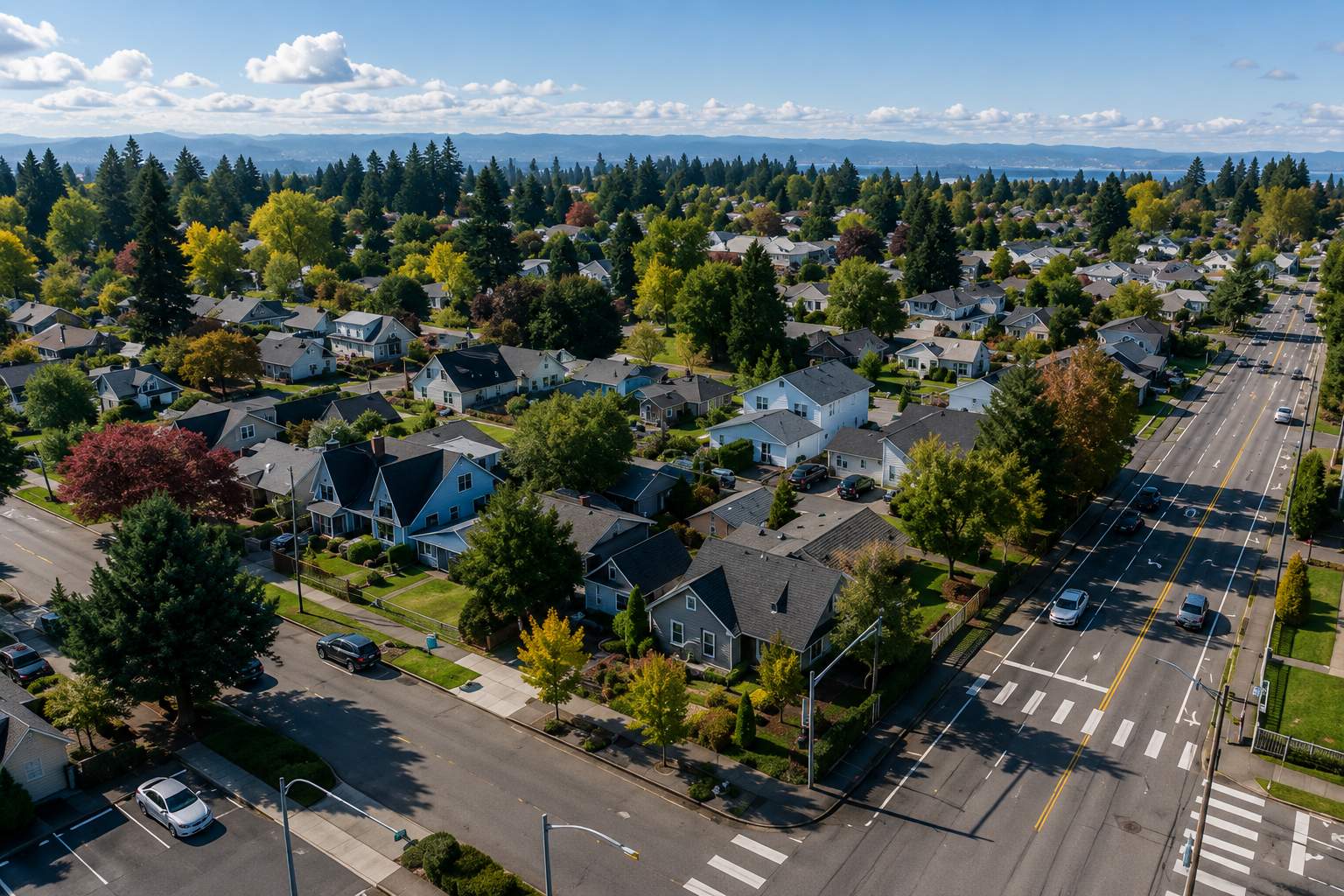
Hough is a historic residential neighborhood within the city of Vancouver, Washington, positioned in the inner urban residential fabric immediately north of downtown Vancouver's commercial and waterfront corridor — bounded roughly by Fourth Plain Boulevard to the north, I-5 to the east, the downtown core to the south, and the Grand Boulevard and Arnada neighborhood boundaries to the west. The neighborhood's grid of residential streets runs through the gentle rolling terrain of inner Vancouver's historic residential development area, with the mature street trees that decades of established urban residential landscaping produces giving Hough's streetscapes the particular overhead canopy character that distinguishes older Pacific Northwest residential neighborhoods from the sun-exposed streets of newer suburban development.
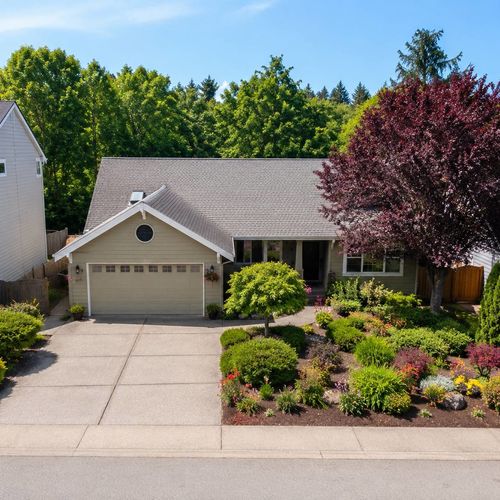
The neighborhood's residential fabric is defined by the development era that produced it — primarily early 20th century Craftsman bungalows, American Foursquares, Prairie-influenced residential architecture, and the residential styles of the 1910s through 1940s that give Hough its specific architectural identity within the broader Vancouver residential landscape. The consistency of the architectural era produces the visual coherence that genuinely historic neighborhoods develop when their construction timeline was concentrated rather than distributed across multiple development eras — walking a Hough residential street feels distinctly different from walking a street in Vancouver's mid-century or contemporary residential neighborhoods, in the specific way that a neighborhood with genuine architectural character always feels different from one without it.
Hough is served by the Vancouver School District — with the specific school assignments for Hough addresses and the magnet, specialty, and focus program options available within the district's offerings worth researching specifically for family buyers. The neighborhood's position within the Vancouver School District's inner urban attendance boundary produces specific school options that the pre-purchase research confirms for any specific address rather than assumes from the neighborhood's general character.
Portland International Airport is approximately 10 to 16 miles from Hough, typically a 18 to 28 minute drive depending on traffic, time of day, and your specific route south across the Columbia River and east toward PDX. The proximity to downtown Vancouver and the access to both the I-5 and I-205 bridge crossings gives Hough residents a flexibility in airport approach routing that the suburban Clark County communities further from the bridges do not provide — the ability to choose the less-congested bridge crossing on any given morning based on real-time conditions rather than committing to a single approach from a residential position that limits the routing choice. For frequent travelers and households where airport access is a meaningful daily quality-of-life factor, Hough's inner urban position within minutes of the Columbia River crossing infrastructure delivers PDX proximity that compares favorably with any Clark County neighborhood at this proximity to the bridge crossings.
What Your Money Gets You: Homes at Every Price Point
Hough's housing market reflects the neighborhood's historic character with the directness that a genuine early 20th century residential neighborhood's inventory always produces — primarily Craftsman bungalows and period-appropriate residential architecture from the 1910s through 1940s, with a smaller inventory of mid-century infill and the occasional newer construction that has been inserted into the neighborhood's residential fabric without always honoring the architectural context it occupies. The housing stock's age range and the condition variability that multi-decade residential ownership in an older neighborhood produces create both the opportunity and the due diligence requirement that older historic residential inventory always generates — the opportunity to acquire genuine architectural character at a price that comparable character costs significantly more to access in the recognized Portland historic neighborhoods across the bridge, and the requirement to evaluate structure, systems, and maintenance history with the inspection rigor that residential buildings of this age consistently reward when applied before the offer rather than during the contingency period.
Here is a realistic look at what different price points deliver in this market:
$350,000 – $470,000 Entry-level Hough delivers the neighborhood's smaller Craftsman bungalows and period residential structures in their most original or modestly updated form — primarily 900 to 1,400 square foot configurations, two to three bedrooms, one bath in most cases, and the original architectural details — wood floors, built-in cabinetry, covered front porches with original columns and millwork, divided light windows, and the proportional spatial character that early 20th century residential construction delivered as a matter of course rather than as a premium upgrade option. Some homes at this price point retain remarkable original detail that long-term ownership without major renovation has preserved by neglecting to replace it with something less authentic — the kind of original condition that restoration-oriented buyers recognize as an opportunity rather than a deficiency and that buyers shopping for visual readiness overlook on the way to something more expensive and less architecturally interesting. Others carry the accumulated deferred systems and structural work that residential buildings of this age develop through extended ownership cycles without active maintenance investment — the inspection report is the essential document that distinguishes the two before the offer rather than after it. The value at this price point is entirely genuine for the buyer whose primary criterion is the most architecturally authentic entry into historic Craftsman neighborhood living at the most financially accessible ownership cost that Hough currently sustains — a price that the comparable Portland neighborhoods of Irvington, Laurelhurst, and Alameda stopped producing for comparable Craftsman bungalow character many market cycles before the Clark County no-Oregon-income-tax advantage made the comparison genuinely worth running.
$470,000 – $610,000 This is the most active and most revealing price band in the Hough market — the range where the neighborhood's full residential value proposition becomes most clearly legible and where buyers who have run the historic Clark County versus comparable Portland neighborhood comparison honestly tend to arrive with the most conviction. Homes in this range tend to be the neighborhood's most thoughtfully maintained or most recently updated Craftsman properties — two to three bedrooms, one to two baths, kitchens that have been addressed with genuine intention rather than cosmetically refreshed for a sale, and the outdoor spaces that an established urban residential neighborhood's lot culture produces when the yards have been maintained and planted over decades of genuine homeowner engagement with the Pacific Northwest's outdoor living culture. Some homes at the upper end of this range have been renovated with genuine architectural respect — original wood floors refinished rather than covered, built-in cabinetry preserved and restored rather than replaced with generic contemporary millwork, bathrooms updated in period-appropriate styles that honor the home's architectural character rather than imposing a contemporary aesthetic that erases it, and kitchens opened toward the outdoor space in ways that engage with the home's relationship to its lot rather than treating the kitchen as a separate interior function disconnected from the garden the Craftsman's back porch was designed to overlook. For buyers who came to Hough for the specific and irreplaceable architectural character that the neighborhood's Craftsman residential fabric delivers and who understand what genuine Craftsman renovation quality looks like in comparison to cosmetic refreshment — this range delivers the most clearly readable version of what Hough's residential proposition actually is.
$610,000 – $775,000 Homes at this level represent the strongest residential product Hough currently offers in its established historic inventory — the most extensively and most thoughtfully renovated Craftsman properties where owners have invested seriously and intelligently in bringing early 20th century residential structures to a contemporary living standard without sacrificing the architectural character, the original material quality, or the spatial proportions that distinguish genuinely renovated historic homes from the cosmetically updated inventory that the broader market occasionally misidentifies as renovation work. Two to three bedroom Craftsman bungalows with fully rebuilt kitchens that engage with period character while delivering contemporary function, primary baths reconfigured with the finish quality and the spatial generosity that buyers at this price point have earned the right to expect, original wood floors refinished to a standard that makes them the room's primary finish element rather than a background detail competing with tile selections, and outdoor spaces — front porches with original millwork restored, rear yards with established Pacific Northwest garden plantings that reflect decades of genuine horticultural investment — that reflect what Craftsman residential living at its most complete actually delivers when the full residential experience is understood as including the outdoor space as seriously as the interior. For buyers who have been searching for the most completely realized version of historic Craftsman neighborhood living in the Clark County market — the renovation quality, the architectural authenticity, the neighborhood character, and the Washington State financial structure all present simultaneously — this range delivers it at a price that the comparable Portland historic neighborhood inventory charges meaningfully beyond for equivalent or lesser renovation completeness.
$775,000 – $1,050,000 At this level, Hough delivers its most exceptional historic residential inventory — the largest and most architecturally distinguished Craftsman and American Foursquare properties that the neighborhood's development era produced, fully renovated at a standard that positions them among the most compelling historic residential properties in the entire Clark County market. Four bedroom configurations, multiple baths, kitchens that reflect the full investment of a renovation program conceived for a permanent residential address rather than for resale optimization, and the particular combination of architectural scale, lot depth, and neighborhood positioning that the neighborhood's most distinguished historic properties deliver from the specific streets that the original development's most substantial investment created. These are properties where the architectural character and the renovation quality combine to produce a residential experience that the Portland historic neighborhood market — Irvington, Alameda, Laurelhurst — prices at comparable or higher levels without the Washington State financial structure's no-Oregon-income-tax advantage that a Clark County address simultaneously provides. For buyers who have been specifically seeking the most complete version of Pacific Northwest historic Craftsman residential living alongside the Clark County tax structure — Hough's most exceptional properties in this range represent the convergence of those criteria that the broader Portland metro residential market rarely delivers at comparable absolute prices.
$1,050,000 and above The upper end of Hough's market is defined by the neighborhood's most rare and most architecturally significant properties — the exceptional Craftsman and period-appropriate estate residences that the neighborhood's original development produced at the highest investment level, fully renovated to a contemporary standard that preserves and enhances rather than diminishes the original architectural investment. These properties surface infrequently, attract buyers whose historic residential criteria are specific enough to recognize what they represent without requiring time to decide, and move to buyers who were already connected and prepared.
Median home price in Hough: The median sits in the $450,000 to $540,000 range — a figure that positions Hough as one of the most financially accessible genuine historic Craftsman neighborhood residential markets in the entire Pacific Northwest, delivering architectural character, neighborhood authenticity, walkable access to a revitalized urban waterfront, and the Washington State no-Oregon-income-tax financial structure at a price that the comparable Portland historic neighborhoods — Irvington, Alameda, Laurelhurst, and the Sabin-Concordia corridor — charge twenty to forty percent above for comparable Craftsman residential character and comparable walkable neighborhood quality. The gap between what Hough's median delivers in terms of architectural authenticity, neighborhood maturity, walkable urban access, and financial structure, and what comparable Portland historic neighborhood addresses charge for the same residential quality measures, is the most direct and most specific expression of the Hough value proposition for the buyer whose historic neighborhood residential criteria are genuinely organized around what the neighborhood delivers rather than around which side of the Columbia River the address falls on.
What About Renting in This Area?
The Hough rental market reflects the neighborhood's predominantly owner-occupied historic residential character — this is a neighborhood where people purchase with genuine intention to stay for the architectural character and the community investment that makes Hough what it is, and the rental inventory reflects that ownership culture in its limited but real supply. The rental properties that exist in Hough are primarily single-family historic homes offered by individual landlords and the occasional smaller accessory dwelling unit on historic residential lots where the Craftsman's original garage or outbuilding has been converted to residential rental use.
Single-family historic home rentals in Hough typically run between $1,900 and $3,200 per month depending on the size of the home, the condition and extent of any historic renovation, the lot character, the specific street positioning within the neighborhood's residential geography, and the presence of any particularly compelling original architectural detail or outdoor space that commands a premium in the rental market as consistently as it does in the purchase market. A two to three bedroom Craftsman in solid condition with original character and a usable yard rents around $1,900 to $2,500. A larger, more extensively updated historic property with quality finishes, significant original character, and the meaningful outdoor space that the neighborhood's deeper lots produce in their best configurations pushes into the $2,500 to $3,200 range.
The broader Vancouver inner urban rental market — including the downtown adjacent neighborhoods of Arnada and Shumway to the west and the neighborhoods along the Fourth Plain corridor to the north — provides expanded rental inventory for buyers who want to orient themselves to the inner Vancouver historic neighborhood experience before committing to the purchase market, making the Hough-adjacent rental landscape a practical staging option for buyers whose purchase timeline requires a rental bridge.
Things to Do In and Around Hough
Hough's position in the inner urban fabric of Vancouver — immediately north of downtown's revitalized waterfront corridor and within walking distance of Esther Short Park's farmers market and the Main Street commercial corridor — places residents within the most walkably complete daily life infrastructure of any Clark County neighborhood in this content library. The combination of the neighborhood's own tree-lined residential character, the downtown's waterfront and commercial amenity access within practical walking or cycling distance, and the Columbia River corridor's outdoor and recreational infrastructure gives Hough residents a daily quality of life that the Clark County suburban communities covered elsewhere in this content library consistently require a car to approximate.
The Vancouver Waterfront and Columbia River Esplanade is accessible from Hough on foot or by bicycle in a walk or ride that most neighborhood residents describe as one of the more specifically satisfying daily commuting experiences available from any Clark County residential address — the route through the historic residential streets to the downtown commercial corridor and then down to the river's edge delivering the particular urban residential experience of a walkable city that most Pacific Northwest communities aspire to and that Hough's inner Vancouver position genuinely provides. The esplanade's restaurants, the river's visual presence, the pedestrian and cycling promenade, and the Columbia's daily character from the north bank's working waterfront give Hough residents a waterfront relationship that no amount of driving from the suburban Clark County communities fully replicates.
Esther Short Park is effectively Hough's neighborhood park — Vancouver's central urban green space with the Saturday Farmers Market, the public event infrastructure, the open lawn and fountain, and the gathering place function that a functioning urban park provides for the residential community immediately surrounding it. For Hough residents within easy walking distance of Esther Short, the market's seasonal produce, artisan food, and community gathering character is as much a weekly neighborhood institution as the grocery run — the kind of routine that urban residential proximity to a genuinely functioning farmers market makes naturally available rather than requiring a drive to access.
Fort Vancouver National Historic Site and Officers Row are within walking or short cycling distance from Hough — the historically significant reconstructed fur trading post and the architecturally distinguished Victorian residential streetscape that give the inner Vancouver neighborhood landscape the particular historical depth that most Pacific Northwest residential communities of comparable age lack entirely. For Hough residents whose relationship with the historic character of their neighborhood extends to the surrounding historic institutional landscape, Fort Vancouver and Officers Row provide the interpretive and architectural infrastructure that makes the inner Vancouver residential experience specifically rich rather than merely pleasant.
The Main Street and Washington Street commercial corridors are within walking distance — the independent restaurants, the craft beer taprooms, the coffee shops, and the neighborhood commercial character that the downtown Vancouver revival has produced along the corridors immediately south of the Hough neighborhood boundary. For residents of Hough's southern streets, the walkable access to the Main Street corridor's independent restaurant and commercial culture is the specific daily quality-of-life asset that distinguishes the Hough residential experience from any Clark County neighborhood requiring a car for commercial access — the Tuesday evening walk to dinner rather than the Tuesday evening drive to the commercial corridor.
Pearson Air Museum and the Vancouver National Historic Reserve — accessible on foot or by short bicycle ride — provide the aviation history and historical interpretive infrastructure addressed in the downtown Vancouver guide. For Hough residents whose relationship with the historic character of inner Vancouver extends to the aviation and military history that the Pearson Field and Fort Vancouver complex represents, the proximity to these nationally significant sites gives the neighborhood's daily residential range a cultural depth that most comparable residential neighborhoods at Hough's price point do not provide from the residential address itself.
The Renaissance Trail and the Columbia River pedestrian crossing give Hough residents cycling and walking access to the Oregon side's waterfront parks, the Marine Drive trail system, and the broader Columbia River trail network — providing a car-free outdoor movement range along the river in both directions that the neighborhood's inner urban position and its proximity to the river crossing infrastructure make practical rather than theoretical.
Burnt Bridge Creek Trail — accessible from Hough's northern edges and extending through the broader Vancouver residential fabric — provides the multi-use trail infrastructure that connects the inner Vancouver neighborhoods to the broader Clark County trail network, offering walking, running, and cycling access through the natural open space corridor that the Burnt Bridge Creek greenway maintains through the developed residential fabric of northern Vancouver.
The Columbia River Gorge is 25 to 35 minutes east — the world-class outdoor recreation corridor that Hough residents access with the urban core's proximity advantage rather than from the suburban distances that the broader Clark County residential community navigates to the same recreational infrastructure.
Portland is across the bridge — accessible from Hough in a commute that most neighborhood residents describe as one of the shorter and more manageable available from any Clark County address, with the inner urban position's proximity to both the I-5 and I-205 bridge crossings providing routing flexibility that the suburban Clark County communities further from the bridges do not independently offer.
Where to Eat
Hough's dining experience benefits from the neighborhood's walkable access to the downtown Vancouver commercial corridor in a way that makes the question of where to eat a genuinely neighborhood-scale conversation rather than a car-dependent planning exercise. The Main Street and Washington Street independent restaurant corridors, the waterfront dining cluster, and the neighborhood's own commercial edges combine to give Hough residents a walking dining radius that no other Clark County neighborhood in this content library delivers with the same completeness.
The Main Street corridor's independent restaurant culture — within walking distance of Hough's southern residential streets — provides the everyday and occasion dining access that the downtown Vancouver guide addressed in full. Nick's Bar and Grill, the Grocery, and the broader Main Street independent restaurant ecosystem serve Hough residents as neighborhood restaurants in the most literal sense — walkable, accessible without planning, and embedded in the daily social fabric of the inner Vancouver residential community in the way that the best urban neighborhood commercial corridors serve their surrounding residential population.
The Grant Street Pier and Vancouver Waterfront dining cluster — accessible on foot from Hough's southern residential positions in a walk that most residents describe as one of the more specifically pleasant urban walks available in Clark County — provides the river-facing restaurant experience addressed in the downtown Vancouver guide. Beaches Restaurant and Bar and the waterfront's growing restaurant collection serve Hough residents as neighborhood dining options rather than destination trips — a distinction that the walkable access makes genuinely real rather than aspirationally marketed.
Hough's own neighborhood commercial edges — along Fourth Plain Boulevard to the north and the corridors connecting the neighborhood to the broader inner Vancouver commercial fabric — carry the casual dining rotation that a historic urban residential neighborhood's immediate commercial adjacency provides for weeknight meals and morning coffee routines that do not require a walk to the Main Street corridor or the waterfront.
Propeller Brewing and the downtown Vancouver craft beer taproom culture — within walking distance from Hough's core — provide the neighborhood brewery culture that the best urban residential communities build their social gathering infrastructure around. For Hough residents whose social life includes the post-walk pint and the weekend afternoon taproom gathering, the walkable access to downtown Vancouver's growing craft beer community gives the neighborhood a social dining and drinking culture that the suburban Clark County communities accessed by car from a distance cannot replicate with the same casual frequency.
The Esther Short Park Saturday Farmers Market provides the direct-to-farm provisions access and the community social gathering function that the best Pacific Northwest urban neighborhood farmers markets deliver when their community uses them as a weekly institution — seasonal produce, artisan food, and the local food system connection that Hough residents access on a Saturday morning walk to the park rather than a drive to a separate commercial destination.
Portland's full restaurant landscape across the bridge provides the complete Portland culinary culture for the occasions that call for the Pearl District's dining corridor, the James Beard-recognized restaurants, and the comprehensive culinary infrastructure of a nationally recognized food city — accessible from Hough in the commute time that the inner Vancouver position's proximity to the bridge crossings produces rather than the extended commitment that the suburban Clark County communities navigate for the same bridge access.
The honest framing: Hough delivers the most walkable dining and commercial culture of any Clark County neighborhood in this content library — the combination of the Main Street corridor's independent restaurant ecosystem, the waterfront dining cluster, the Saturday Farmers Market, and the downtown taproom culture giving the neighborhood a pedestrian dining radius that most Portland neighborhoods of comparable character and comparable price point provide as one of their primary residential marketing claims. Hough provides it from a Washington State address with no Oregon income tax. That combination is genuine and specific, and it does not require inflation to make it compelling.
Who Buys in Hough?
After nearly three decades working the Clark County market, the Hough buyer is one of the most architecturally motivated and most clearly historically committed residential profiles I encounter in the entire SW Washington content library — and the clarity of that commitment is the most reliable predictor of how satisfied any given buyer will be with the Hough residential experience across the years of ownership that follow the purchase decision.
They are Craftsman and historic residential architecture devotees whose relationship with early 20th century residential design is genuine rather than aesthetic — buyers who have been studying original millwork profiles, reading about the Arts and Crafts movement's residential expression in the Pacific Northwest, and searching for a neighborhood where the architectural context supports and reinforces rather than contradicts and undermines the specific home they are choosing. For these buyers, Hough is not one option among several they are comparing — it is the Clark County neighborhood where the architectural context is most consistently and most authentically present, and the purchase of a specific home within it is as much a choice about the neighborhood's architectural character as about the individual property's specific features.
They are Portland-to-Vancouver relocation buyers who have run the no-Oregon-income-tax calculation with the full specificity that their household income from Portland employment deserves and found the financial argument for a Washington residential address more compelling than the social pressure for a Portland neighborhood address that their professional community has historically applied. For these buyers, Hough provides the historic neighborhood character and the walkable urban lifestyle quality that Portland's Irvington and Alameda neighborhoods deliver at a price that the Clark County financial advantage makes genuinely accessible rather than marginally competitive — the combination of architectural quality, neighborhood authenticity, and Washington State financial structure producing a residential value that the honest buyer cannot dismiss once the comparison is made with specific properties rather than general reputations.
They are inner urban lifestyle buyers whose primary residential criterion is walkable access to the downtown commercial corridor, the waterfront, and the Columbia River's daily presence — buyers for whom the ability to walk to the Saturday Farmers Market, cycle to the Main Street restaurant for a Tuesday evening dinner, and walk to the Columbia River esplanade without getting in a car defines what urban residential quality actually means rather than what it is aspirationally marketed as from suburban addresses that require driving to approximate the experience. For these buyers, Hough is the Clark County neighborhood that delivers genuine walkability rather than the simulated walkability that planned developments occasionally claim from residential addresses that require car trips for every meaningful commercial and recreational access point.
They are community-building buyers whose residential criteria include genuine neighborhood identity and genuine neighbor relationships — buyers who have lived in suburban developments where the neighborhood's identity is defined by the HOA's aesthetic rules rather than by generations of resident investment, and who have found in Hough the kind of Clark County neighborhood that its residents have built into a genuine community rather than a geographic designation. The Hough neighborhood's active community investment, the historic preservation advocacy, and the resident engagement with the neighborhood's architectural character and civic identity give these buyers the community context they came looking for — a neighborhood where knowing your neighbors is a natural consequence of the shared investment in the place rather than a deliberate social project requiring organized effort.
They are buyers from California, the Bay Area, and other West Coast historic neighborhood markets who came to the Pacific Northwest with the architectural sophistication to recognize that Hough's Craftsman bungalow character, neighborhood maturity, and walkable urban access represent a Pacific Northwest historic residential value that the comparable Portland neighborhoods — Irvington, Alameda, Laurelhurst — charge twenty to forty percent above for the same architectural character and the same neighborhood quality at the same Craftsman development era's residential scale. These buyers understand the no-Oregon-income-tax advantage, they recognize the architectural character's genuine quality, and they purchase with the conviction that the gap between Hough's current price and what comparable historic Craftsman neighborhood character costs in the more recognized Pacific Northwest historic residential markets reflects the Clark County address's underrecognition rather than any meaningful quality differential in what the neighborhood actually delivers.
They are, consistently, buyers who describe Hough as overdelivering on the architectural character, the neighborhood community investment, and the walkable urban quality — and who report that the specific satisfaction of living in a neighborhood whose residents are as invested in its historic character as they are is one of the more specifically surprising and specifically rewarding aspects of the Hough residential experience.
What You Should Know Before You Commit
Hough rewards buyers who engage with the early 20th century residential stock's inspection requirements, the inner Vancouver urban residential context's specific character distinctions, and the Vancouver School District's specific school assignments for Hough addresses — with the same direct honesty that a neighborhood this committed to its own historic character applies to its expectations of the buyers who come to join it.
The historic residential stock's inspection requirements are the most important pre-purchase due diligence element for any Hough property — and they deserve the specific and experienced attention that residential buildings from the 1910s through 1940s consistently require rather than the standard inspection framework that newer residential stock's more predictable systems and materials allow. Electrical systems from this era are frequently knob-and-tube or early panel configurations that require assessment for their current condition and safety rather than their original adequacy. Plumbing materials from this era are frequently galvanized steel or early copper that the Pacific Northwest's water chemistry and age have affected in ways that the visual inspection alone does not capture. Foundation systems in this era's residential construction range from genuinely solid concrete perimeter foundations to more variable concrete block or brick configurations that the settlement and moisture dynamics of the inner Vancouver terrain have affected over a century of residential use. Roofing, drainage, and the moisture management systems that the Pacific Northwest's rain climate makes the most consequential ongoing maintenance commitment for any historic residential property deserve specific and experienced evaluation. None of these are disqualifying factors for the right property and the right buyer — they are the honest inspection framework that a century of residential construction requires rather than a list of deficiencies specific to Hough's inventory. Working with an inspector who has genuine experience with Pacific Northwest historic residential construction — and who evaluates original materials for their current condition rather than comparing them to contemporary construction standards — is the pre-purchase professional investment that serves Hough buyers better than the general home inspection that suburban inventory's more standardized systems allow.
The urban residential context's specific character varies meaningfully across Hough's residential geography in ways that the neighborhood's general historic character does not uniformly represent. The streets closest to the Fourth Plain Boulevard commercial corridor to the north carry the ambient commercial traffic and noise character of a major urban arterial in ways that the interior residential streets further from the corridor do not. The properties nearest the I-5 corridor to the east reflect the highway's acoustic footprint in ways that vary by position and orientation rather than uniformly affecting all Hough addresses. Understanding the specific residential context of any Hough property being seriously considered — and spending time in the neighborhood at different times of day and on different days of the week including weekday mornings and weekend evenings — is the pre-purchase orientation that distinguishes buyers who arrived at Hough with honest eyes from those who discovered the urban context's specific character after the purchase.
The Vancouver School District's specific school assignments for Hough addresses — and the magnet, specialty, and focus program options available within the district — deserve the same specific research that any family buyer's educational priorities require, with confirmation of the specific schools serving the specific address rather than the assumption from the district's general urban core character. The Vancouver School District is a large and varied district serving an extensive geographic and demographic range, and the specific school options available to Hough residential addresses reflect the inner urban attendance boundary's particular character within the district's full geographic extent.
Thinking About a Home in Hough?
Hough inventory at the quality end — the most thoughtfully renovated Craftsman properties on the neighborhood's most established and most community-invested residential streets — moves with the momentum that genuine historic neighborhood character and Washington State financial advantage together create in a buyer pool that knows what it is looking for and recognizes it with conviction rather than hesitation when it appears. I know the Clark County historic neighborhood market, I know the Hough neighborhood at the street level that nearly three decades of working this market produces, and I will give you a straight read on what you are looking at — the property's historic condition and renovation quality, the inspection framework that a building of this era requires, the specific street's urban context character, the school assignment confirmation, and the complete total cost of ownership picture alongside the no-Oregon-income-tax financial calculation — before you write anything.
See more about Hough
Want to learn more about the Hough neighborhood and homes?
Homes for sale in Hough: https://jamiemeushawrealestate.com/properties/neighborhood-Hough,%20Vancouver,%20WA/
Watch more local real estate insights on my YouTube channel:
https://www.youtube.com/@JamieMeushaw
Sign up for my weekly newsletter for real estate tips and market updates:
https://jamiemeushawrealestate.com/newsletter
Check out this article next