


Where Exactly Is Canby?
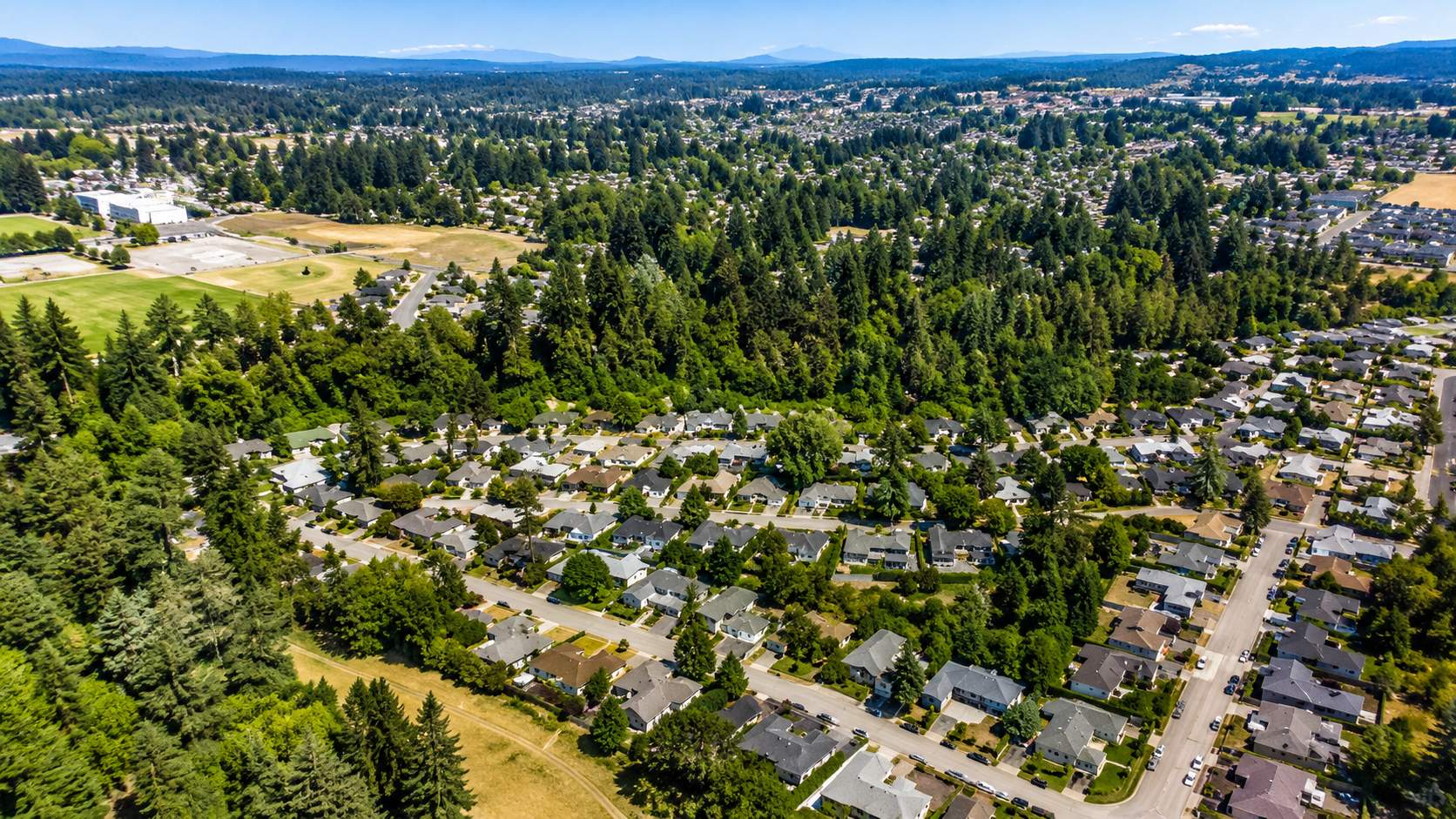
Canby is an incorporated city in Clackamas County, Oregon, positioned approximately 24 to 29 miles south of downtown Portland along Highway 99E — the historic Pacific Highway that runs south from Portland through the Willamette Valley communities of Milwaukie, Oak Grove, Oregon City, and Canby before continuing south toward Salem. The city sits on the west bank of the Willamette River where the river broadens and slows in its passage through the northern Willamette Valley's agricultural plain, with the river's natural corridor providing the eastern boundary of the community and the working agricultural landscape of Clackamas County's most productive nursery and specialty crop growing region surrounding the city on its western, northern, and southern approaches.
The nursery and ornamental horticulture industry is the dominant agricultural character of the Canby area — this specific corridor of Clackamas County is one of the most significant nursery production regions in the United States, with the field nurseries, greenhouse operations, and ornamental plant growing infrastructure that defines the agricultural landscape visible from virtually every approach to the city. The nursery industry's presence shapes the community's economic character, its employment base, and the working agricultural identity that gives Canby a specific and genuinely earned agricultural authenticity rather than the pastoral aesthetic that communities without working farms adopt for lifestyle marketing purposes.
The Canby Ferry — one of Oregon's last remaining Willamette River cable ferries, connecting the west bank Canby community to the east bank of the Willamette and the rural Clackamas County landscape beyond — is both a practical transportation asset and a genuine piece of living Oregon river history that gives Canby a specific and irreplaceable character within the Clackamas County residential landscape. The ferry's continued operation reflects the community's relationship with the Willamette River as a living geographic feature rather than a backdrop, and its availability as a practical crossing for Canby residents reflects the particular civic investment that a community makes when it chooses to maintain a working piece of its own history.
Canby is served by the Canby School District — a mid-sized independent Oregon school district that has built a consistent reputation for academic quality and community investment in the Clackamas County educational landscape. The district serves the Canby community with a K-12 program whose quality reflects the community's investment in its educational institutions — more programmatically complete than the very small rural districts covered elsewhere in the Clackamas County content series, and carrying a community reputation for school quality that has been a meaningful driver of residential demand in Canby's market for buyers who have run the Clackamas County school district comparison honestly. The Canby School District is not the Beaverton School District in terms of scale or specialized curriculum depth — and buyers making a direct comparison between the two should do so with the full specificity that the comparison deserves rather than assuming equivalence from comparable community income levels. What the Canby district is, genuinely, is a district whose quality and community investment make it a genuine and honest draw for the family buyer who has researched it rather than a consolation prize for buyers who could not access a more recognized district's attendance area.
Portland International Airport is approximately 25 to 32 miles from Canby, typically a 35 to 50 minute drive depending on traffic, time of day, and your specific route through the southern Portland metro toward PDX. The most practical driving paths run north on Highway 99E through Oregon City and into the Portland metro corridor, connecting to I-205 north toward the airport. The I-205 connection from the Canby corridor provides a reasonably direct freeway approach to PDX that the more western Yamhill County communities covered in the previous guides do not independently deliver — giving Canby an airport commute that is meaningfully more freeway-efficient than the Highway 99W corridor communities' approach to PDX, and that reflects the Clackamas County southeastern Portland metro position's advantage over the Yamhill County southwestern approach for buyers whose professional life requires regular airport access. For buyers who travel frequently, Canby's I-205 corridor connection to PDX is a practical and meaningful advantage relative to communities at comparable or shorter absolute distances from the airport that approach it via two-lane highway rather than freeway.
What Your Money Gets You: Homes at Every Price Point
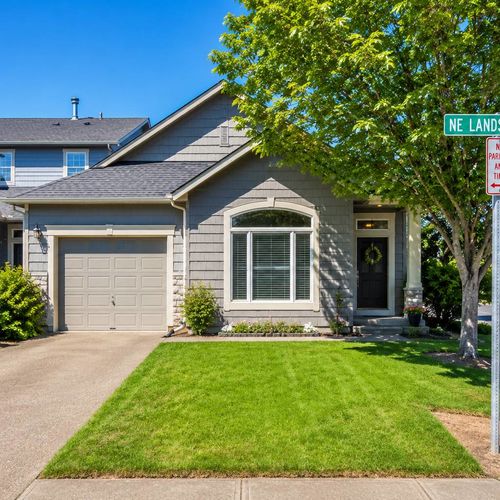
Canby's housing market reflects the city's position as a mid-sized Clackamas County agricultural city with a genuine school district draw, a Willamette River orientation, and a price point that remains meaningfully accessible relative to the Portland metro's closer-in suburban markets while delivering the lot sizes, the school district quality, and the community character that buyers running the honest Clackamas County comparison consistently find more compelling than the closer-in suburban markets at comparable or higher prices. The housing stock includes established residential neighborhoods from multiple development eras in the city's historic core, newer planned residential additions that have expanded the city's residential footprint as Clackamas County's southern growth pressure has brought Portland metro buyers seeking affordability south along the 99E corridor, and the occasional larger lot and rural residential property at the city's agricultural edges where the nursery industry's working landscape meets the residential community's southern and western boundaries.
Here is a realistic look at what different price points deliver in this market:
$375,000 – $490,000 Entry-level Canby delivers the city's established residential stock — primarily 1960s through 1990s single-family construction in the 1,100 to 1,700 square foot range, two to three bedrooms, one to two baths, and the residential configurations that a mid-sized Clackamas County agricultural city's organic growth produced across those decades with the lot generosity and the neighborhood stability that older Oregon city residential fabric consistently delivers relative to newer planned residential additions at comparable price points. Lots at this price point are consistently more generous than comparable pricing produces in Washington County's established suburban markets or in the closer-in Clackamas County communities of Happy Valley or Milwaukie — deeper, more naturally vegetated, and in some cases backing to the agricultural landscape or the natural open space that Canby's nursery industry surroundings produce at the residential community's edges. Condition at this range reflects the honest variability of older residential stock — some homes have been maintained by long-term Canby community members whose relationship with the property reflects genuine stewardship. Others carry the deferred work that extended ownership without active maintenance produces on residential stock of this age. The value is genuine: Canby School District, Willamette River access within practical walking or cycling distance, the nursery industry's working agricultural character as the visual and environmental context of daily life, and a price point that the closer-in Clackamas County communities stopped producing for comparable lot sizes and school district quality several market cycles ago.
$490,000 – $625,000 This is the most active and most revealing price band in the Canby market — the range where the city's full residential value proposition becomes most clearly legible and where buyers who have run the Clackamas County southern corridor comparison honestly tend to arrive with conviction. Homes in this range tend to be updated or well-maintained single-family properties in the 1,600 to 2,300 square foot range — three to four bedrooms, two baths, kitchens that have been addressed with genuine intention in the last decade, and yards that take full advantage of Canby's lot culture in ways that feel qualitatively different from what comparable money produces in Happy Valley, Lake Oswego, or West Linn's more premium Clackamas County residential markets. Some homes at the upper end of this range access the newer planned residential additions where contemporary floor plans, energy-efficient construction, and the community infrastructure of a planned neighborhood complement the Canby School District assignment and the Willamette River proximity that define the market's primary demand drivers. For move-up buyers, families prioritizing the Canby School District alongside the Willamette Valley agricultural setting and the Willamette River access that Canby's position delivers, and relocators from higher-cost markets who want the full Clackamas County wine country adjacency and southern agricultural lifestyle at a price that the metro's closer-in alternatives cannot approach for comparable community character and lot size — this range delivers the clearest and most complete version of what Canby offers.
$625,000 – $800,000 Homes at this level represent the strongest conventional residential product Canby currently offers — fully renovated or newer construction single-family properties on the most desirable lots in the city's established and newer residential areas, in the 2,100 to 2,900 square foot range. Four bedrooms, two and a half to three baths, main-floor layouts that reflect how Clackamas County families actually use their homes, finish packages that deliver genuine quality, and outdoor spaces that engage with Canby's agricultural surroundings and Willamette River proximity rather than treating them as background. Some properties in this range access the elevated terrain at the city's edges where the Clackamas County foothills terrain above the Willamette Valley floor creates residential positions with territorial views across the agricultural plain and the river corridor that the valley floor's flat residential core does not independently provide. For buyers who have specifically identified Canby's combination of Clackamas County school district quality, agricultural character, Willamette River access, and southern Clackamas County price point as the criteria organizing their Portland metro residential search — this range delivers the most complete version of the Canby proposition.
$800,000 – $1,050,000 At this level, Canby's market transitions toward the properties that most directly represent what Clackamas County's southern agricultural corridor offers beyond the city's conventional residential fabric — the larger lot configurations at the city's edges, the properties with direct Willamette River frontage or river view corridors, the rural residential parcels combining meaningful land with quality residential structures, and the custom or extensively renovated homes on the most desirable sites within the community. Willamette River-facing properties with direct water access or commanding river views command a premium that reflects the scarcity of true Willamette River residential access at any price in the broader Portland metro, and Canby's position on the river's west bank provides that access from residential addresses that no closer-in Portland metro community delivers at comparable absolute prices.
$1,050,000 and above The upper end of Canby's market and the immediately surrounding Clackamas County rural corridor is defined by the most exceptional and most site-specific properties available — Willamette River frontage properties with private water access, custom homes on significant acreage in the agricultural landscape surrounding the city, and the occasional property that combines genuine rural Clackamas County estate character with the Canby city address's school district and community infrastructure. These properties attract buyers whose Willamette River or Clackamas County agricultural estate criteria are specific enough to recognize the right property without deliberation, and they move to buyers who were already prepared rather than sitting for the market to organize around them.
Median home price in Canby: The median sits in the $480,000 to $555,000 range — a figure that positions Canby as one of the more financially accessible mid-sized incorporated Clackamas County cities with a genuine school district reputation, Willamette River access, and an established downtown commercial district within a realistic Portland metro commute radius. Against Happy Valley, West Linn, and Lake Oswego in the premium Clackamas County market to the north and west at significantly higher median prices, Canby delivers comparable school district community investment and Clackamas County address quality at a price that reflects the honest south-of-Oregon-City distance premium rather than the close-in suburban premium those communities command. Against the more rural Clackamas County communities of Molalla and Mulino covered earlier in the content library, Canby delivers meaningfully more commercial infrastructure, a larger and more programmatically complete school district, and the Willamette River access that the foothills communities to the east cannot replicate — at a price premium that honestly reflects those differentials rather than inflating them beyond the value they represent.
What About Renting in This Area?
The Canby rental market is active in proportion to the city's growing desirability and its position as one of the more accessible entry points into the Canby School District for renters who have been priced out of the district's purchase market or who are using a rental bridge to orient to the community before committing to a purchase. The inventory mix includes single-family homes offered by individual landlords, older apartment and duplex stock that reflects the city's mid-century development era, newer apartment construction that has come online along Canby's commercial corridors as the city's residential growth has attracted rental investment, and the working-family rental demand that the nursery industry's employment base generates as a stable year-round baseline.
Single-family rentals in Canby typically run between $1,800 and $2,900 per month depending on size, condition, lot character, school district position, and the recency of any renovation. A three-bedroom, two-bath home in solid condition with a usable yard rents around $1,800 to $2,300. A larger, updated four-bedroom home with quality finishes and meaningful outdoor space pushes into the $2,300 to $2,900 range. Smaller apartment and duplex units in the community's existing multi-family inventory start around $1,100 to $1,700 for one to two bedroom configurations — figures that represent genuine value relative to comparable product in the closer-in Clackamas County communities of Oregon City and Milwaukie, and significantly more accessible than the Washington County suburban markets that many Canby renters previously occupied before the southern Clackamas County corridor's price advantage drew them toward the 99E approach.
The nursery industry's employment base provides a stable rental occupancy baseline that prevents the seasonal vacancy fluctuations that communities without consistent year-round employment anchors occasionally experience in their rental markets. For relocators planning a rental bridge before purchasing in Canby, the community's rental inventory offers practical accessibility across multiple price points — the right approach for buyers who want to experience the Canby School District, the Willamette River proximity, and the agricultural community character before committing the purchase capital that the Canby market requires.
Things to Do In and Around Canby
Canby's position on the Willamette River in the northern Willamette Valley's agricultural heart places residents within reach of a genuinely varied outdoor, agricultural, and community recreational landscape — one that combines the river's natural infrastructure, the nursery industry's working agricultural character, the Yamhill County wine country's accessible proximity to the southwest, and the broader Clackamas County and Willamette Valley recreational ecosystem that southern Portland metro residents access more directly from Canby's position than from most comparable communities at similar distances from the city's core.
The Willamette River is Canby's defining natural asset and the geographic feature that gives the community its most specific and most irreplaceable daily character. The river at Canby is broad, slow-moving, and deeply embedded in the community's civic and recreational identity — providing fishing access for bass, catfish, and migratory fish species, recreational boating from the city's boat ramp facilities, swimming and wading in the summer months at accessible river bank locations, and the particular daily visual relationship with a major Oregon river that most Willamette Valley residential communities experience from a highway bridge rather than from a residential address within walking or cycling distance of the bank. For Canby residents whose outdoor practice includes regular river access as a daily rather than occasional commitment, the Willamette River's proximity from the community's residential fabric is the specific lifestyle asset that no amount of constructed park infrastructure in a denser or more urban community replicates with the same immediacy.
The Canby Ferry — one of Oregon's last working Willamette River cable ferries — operates seasonally and connects the west bank Canby community to the east bank rural landscape across the river. The ferry's continued operation is both a practical transportation asset and a living historical experience that gives Canby a specific and genuine connection to Oregon's river crossing history that no other community in this content library provides. For Canby residents, using the ferry to access the east bank's rural landscape and natural areas is a regular recreational and practical option rather than a tourist attraction requiring special planning — a distinction that reflects the community's working relationship with the river in contrast to the more museum-like relationship that historic infrastructure typically develops when it survives in communities that no longer depend on it functionally.
Molalla River State Park and the broader Molalla River corridor — accessible approximately 15 to 20 minutes southeast of Canby toward the Molalla and Mulino communities covered earlier in the Clackamas County content series — provides swimming, fishing, kayaking, and the natural riparian experience of the Molalla River's clear Coast Range tributary water within a practical drive of the Canby residential community. For Canby residents whose outdoor practice extends beyond the Willamette River's immediate access into the more dynamic and more varied water character of a Coast Range tributary stream, the Molalla River is the natural recreational extension that the community's position between two river systems makes available.
Champoeg State Heritage Area is approximately 10 to 15 minutes northwest of Canby along the Willamette River corridor — the historically significant state park addressed in multiple earlier Yamhill County guides, providing riverside trails, camping, and the interpretive programming that Oregon's founding site offers year-round. For Canby residents whose outdoor practice includes regular river trail access in a historically rooted natural setting, Champoeg is the most immediately accessible and the most culturally substantive river park within the community's practical daily range.
Clackamas County's nursery industry landscape immediately surrounding Canby provides the particular working agricultural environment that the nursery district's production character creates — field nurseries and greenhouse operations extending across the agricultural plain in multiple directions from the city, a landscape that is genuinely distinct from either the wine country's vineyard aesthetic or the grain field character of the Willamette Valley's more southern agricultural zones. The nursery industry's ornamental plant culture, its seasonal production rhythms, and the direct-from-nursery purchasing access that living in the heart of one of the nation's most significant ornamental horticulture production regions provides give Canby residents a relationship with the plant world and the ornamental landscape that most Pacific Northwest residential communities cannot approach at any price — a specific and underappreciated quality of life asset for residents whose relationship with gardening, landscaping, and ornamental horticulture reflects genuine practice rather than seasonal interest.
The Canby Depot Museum reflects the community's railroad heritage — the Oregon-California Railroad's historic presence in Canby's development as an agricultural shipping center — with a preserved depot structure and the interpretive programming that reflects the specific role of rail transportation in the northern Willamette Valley's agricultural economy. For Canby residents who value the historical depth of the community they have chosen, the depot museum provides the kind of locally rooted historical identity that most suburban communities of comparable age lack entirely.
Willamette Valley wine country is accessible from Canby via the Highway 99E north and the Highway 99W and rural highway approach through Newberg and the northern Yamhill County wine country corridor — the Dundee Hills, the Chehalem Mountains, and the full northern Willamette Valley wine region accessible within forty to sixty minutes of Canby's residential streets for residents who want the wine country's tasting room culture within a practical day-trip range rather than from a residential address embedded within the wine country itself. The Yamhill County wine trail's northern communities — Newberg and Dundee — are the most directly accessible from Canby's northern approach via the back-road rural highway corridor through Champoeg and Newberg.
Silver Falls State Park — Oregon's most visited state park and the home of the Trail of Ten Falls — is approximately 35 to 45 minutes southeast of Canby via the rural Clackamas County and Marion County highway corridors. For Canby residents, Silver Falls is a genuinely casual Saturday morning destination rather than the two-hour commitment that Portland metro residents make specifically for the park — a proximity that reflects the Clackamas County southern corridor's advantage for Willamette Valley recreational access over the metro's more northern residential communities.
Oregon City — approximately 10 to 15 minutes north on Highway 99E — is the Clackamas County seat and one of Oregon's most historically significant cities, sitting at the end of the Oregon Trail at the Willamette Falls on the Willamette River. Oregon City provides Canby residents with the full Clackamas County service infrastructure — courthouse services, medical facilities, specialty retail, professional services, and the cultural and commercial variety of a substantial Clackamas County city — within a drive that most Canby residents describe as negligible for routine service and commercial needs.
The Canby Rodeo and Clackamas County Fair reflect the community's agricultural identity in the event format that working agricultural communities organize their cultural calendar around — annual celebrations of the nursery industry, the agricultural heritage, and the community character that Canby's working-farm surroundings have built into the city's civic identity across generations of agricultural production.
Portland is 25 to 35 minutes north via Highway 99E and I-205 — the full urban experience of a major Pacific Northwest city accessible when the occasion calls for it. The I-205 freeway connection from Canby's 99E corridor approach is one of the more direct freeway airport and urban access routes available from any Clackamas County community south of Oregon City, giving Canby residents a Portland and PDX commute that is meaningfully more efficient than the two-lane highway approaches available from the Yamhill County and Columbia County communities covered in the previous series.
Mount Hood and the Clackamas River corridor — accessible via the I-205 and Highway 26 eastern approach — puts Timberline Lodge, the Mount Hood Meadows ski area, Timothy Lake, and the full Cascade mountain recreation landscape within a drive that Canby residents execute as a regular weekend option rather than a planned expedition. The Clackamas River canyon's recreational infrastructure — whitewater kayaking, salmon and steelhead fishing, old-growth forest hiking, and the campground system of the Mount Hood National Forest — is similarly accessible from Canby's position in the northern Willamette Valley at drive times that reflect the Clackamas County corridor's direct eastern approach to the Cascades.
Where to Eat
Canby's dining scene reflects the community's genuine mid-sized Oregon agricultural city character — more varied and more quality-conscious than the very small rural communities covered earlier in the Clackamas County series, more locally rooted and more community-serving than the destination dining culture that the Yamhill County wine country communities have developed around their wine tourism infrastructure, and built on the repeat business of a working agricultural community whose residents have enough culinary expectation to sustain quality independent operators without depending on destination traffic to fill the tables.
Camassia Bar and Kitchen has established itself as Canby's most accomplished independent restaurant — a kitchen whose commitment to the Willamette Valley's agricultural production and the Pacific Northwest's seasonal ingredient culture has built a following among Canby residents and the broader southern Clackamas County community that reflects genuine culinary quality rather than geographic convenience alone. The wine program reflects the Willamette Valley wine country's proximity with the specificity that a restaurant in Canby's agricultural orbit naturally develops when its community takes its relationship with the regional wine industry seriously. For Canby residents, Camassia is the neighborhood restaurant for occasions that call for genuine culinary quality within the community rather than a drive north to Oregon City or Portland — a distinction that contributes meaningfully to the daily quality of life in ways that matter when the restaurant is actually good rather than merely nearby.
The Depot and similar Canby Main Avenue and downtown corridor establishments serve the community's social dining culture with the consistent presence and the community gathering function that a mid-sized Oregon agricultural city's downtown commercial district earns through decades of serving the same community rather than the same passing tourist traffic. These are the restaurants where Canby's civic identity is expressed over Tuesday evening meals and Saturday morning coffees — institutions whose value to the community extends beyond the food into the social infrastructure that a functioning downtown commercial district provides for the residential population it serves.
Canby Brewing Company provides the craft beer community gathering function that Pacific Northwest communities of Canby's income level and outdoor culture consistently generate and sustain — a taproom whose beer program reflects the regional craft brewing culture with the quality and the community investment that distinguishes a genuine neighborhood brewery from a commercial beer format using a craft aesthetic. For Canby residents whose social life includes the post-river outing pint and the weekend gathering that a community brewery anchors, Canby Brewing is the specific institution that performs that function for the agricultural city's resident and visitor population.
Farm-to-table provisions culture in Canby and the immediately surrounding Clackamas County nursery district corridor reflects the agricultural community's direct relationship with the Willamette Valley's production landscape — seasonal farm stands, nursery-district agricultural markets, and the direct-from-farm purchasing access that living in the center of a major production agricultural region makes naturally available to residents whose food culture is organized around the land surrounding them rather than the commercial supply chain that delivers processed versions of that land's production to urban grocery stores at a remove from its origin.
Oregon City's restaurant corridor — ten to fifteen minutes north on Highway 99E — provides the expanded dining variety that Canby's own commercial corridor does not independently generate for every occasion, with the growing restaurant scene that a Clackamas County seat city with Oregon City's historical significance and its growing residential population has developed alongside its downtown commercial revival. For Canby residents whose weeknight dining occasionally requires more variety than the immediate community delivers, Oregon City fills the gap within a drive that most residents describe as entirely unremarkable.
The Newberg and Dundee wine country dining corridor — accessible approximately 35 to 45 minutes southwest via the rural highway approach through Champoeg — brings the northern Yamhill County wine country's culinary culture within reach as a regular destination dining option for Canby residents who want the wine country dining experience without maintaining a wine country residential address. The Red Hills Market at Dundee, the Dundee Bistro, and the broader northern Yamhill County culinary corridor are accessible from Canby as a proper evening out rather than a full-day commitment.
Portland's restaurant landscape — thirty to forty minutes north — provides the full Portland culinary depth for the occasions that call for the city's nationally recognized food culture. The I-205 approach from Canby's 99E corridor delivers Portland more efficiently than the two-lane highway approaches from the Yamhill County and Columbia County communities covered in the preceding series, making Portland's dining culture more practically accessible from Canby on a weeknight basis than from most communities at comparable absolute distances from the city's core.
The honest framing: Canby is a community where the immediate dining scene reflects a genuine mid-sized Oregon agricultural city's character — more complete and more quality-conscious than the very small rural communities, less destination-oriented and less nationally recognized than the wine country corridor's celebrated culinary institutions, and organized around the community's working agricultural identity and the Willamette Valley's seasonal production landscape rather than around the hospitality and tourism infrastructure that transforms small communities into dining destinations for visitors who drive specifically for the meal. Residents who engage with Canby's dining culture for what it genuinely is — the community's own restaurant institutions, the Oregon City extension, the wine country day-trip option, and Portland's full landscape for the special occasions — consistently find it more than adequate for the agricultural city life they chose.
Who Buys in Canby?
After nearly three decades working markets across the Pacific Northwest on both sides of the Columbia River and across the full Oregon metro, rural, coastal, and wine country corridor, the Canby buyer is one of the most practically organized and most honestly self-aware residential profiles in the Clackamas County market — a buyer whose criteria are anchored in school district quality, lot size, Willamette River access, and agricultural community character alongside a price point that the closer-in Clackamas County premium communities stopped delivering at comparable property sizes several market cycles before the southern Clackamas County corridor's value advantage became the obvious conclusion of any buyer running the honest comparison.
They are families whose primary residential criterion is the Canby School District — buyers who have researched the Clackamas County educational landscape specifically, confirmed the Canby district's academic quality and community investment level, and concluded that the combination of school district quality, lot size, Willamette River access, and residential price point that Canby delivers is more compelling than the closer-in Clackamas County premium market's equivalent school district quality at significantly higher prices for significantly smaller lots. These buyers are not settling for Canby because the closer-in options were unavailable — they are choosing Canby because the comparison, run honestly, produces Canby as the right answer for the combination of criteria they are actually optimizing for.
They are Willamette River-oriented outdoor enthusiasts whose daily outdoor practice is organized around river access — fishing, boating, swimming, kayaking, and the particular daily relationship with a major Oregon river that a residential address within practical distance of the Willamette's west bank at Canby provides. For these buyers, the difference between living near the Willamette and having the Canby Ferry and the river bank accessible as a daily option rather than a weekend destination justifies the southern Clackamas County address and the distance from the urban core that the school district buyers and the agricultural lifestyle buyers also accept as the honest terms of the trade.
They are nursery industry and agricultural community professionals whose employment is anchored in the Canby corridor's nursery district and whose residential decision reflects the practical combination of short commute and affordable homeownership that working professionals in specialized agricultural employment settings consistently prioritize when the employment anchor and the residential market align as favorably as the Canby nursery district corridor provides. These buyers are not romantic about Canby's agricultural character — they live and work within it and find the residential community's integration with the working landscape one of the more specifically satisfying aspects of an address that reflects rather than merely gestures toward the Willamette Valley's agricultural identity.
They are remote workers and self-employed professionals whose geographic flexibility has freed the residential decision from the Portland metro commute constraint and who have found that Canby's combination of Canby School District quality, Willamette River access, nursery district agricultural character, the Canby Ferry's historical charm, Champoeg State Heritage Area within fifteen minutes, Silver Falls within forty minutes, and a median home price that leaves genuine margin for the life alongside the mortgage produces the residential value they were looking for in the Portland metro's southern Clackamas County corridor without the closer-in community's price premium for comparable square footage and comparable school district quality.
They are buyers from higher-cost markets — California, the Bay Area, Washington State — who have run the Pacific Northwest affordability comparison honestly and found that Canby occupies a specific and undervalued position in the Clackamas County residential hierarchy — genuine school district quality, genuine river access, genuine agricultural community character, and a median price that the recognized premium Clackamas County communities price twenty to forty percent above for comparable property sizes and comparable community quality measured honestly rather than by address prestige. They are purchasing the gap between what Canby is and what the broader market charges for it — and their retention rate reflects the structural alignment between what the community delivers and what they came looking for.
They are, consistently, buyers who describe Canby as overdelivering on the criteria they came for and underdelivering only on the urban proximity and the dining variety that living thirty minutes from downtown Portland with a genuine school district, a working river, and an agricultural community character inevitably trades for the combination it provides. The buyers who made that trade with honest eyes are consistently satisfied. The buyers who made it while expecting urban proximity alongside everything else Canby delivers are the ones who find the southern Clackamas County distance less comfortable than the community's other qualities suggested it would be.
What You Should Know Before You Commit
Canby rewards buyers who engage with the community's honest character — the working agricultural city, the school district as a genuine rather than aspirational draw, the Willamette River as an accessible rather than walkable daily asset for most residential addresses, and the southern Clackamas County distance from the Portland metro as a real and recurring commitment rather than a theoretical variable that lifestyle quality will render negligible over time.
The Highway 99E commute from Canby to the Portland metro is the primary practical variable for any buyer whose professional or family life includes regular Portland presence. Highway 99E is a two-lane state highway through much of its Canby-to-Oregon City approach, transitioning to the I-205 freeway at Oregon City before delivering efficient freeway access to the Portland metro and PDX beyond. The two-lane approach between Canby and Oregon City generates the peak-hour traffic dynamics that a southern Clackamas County agricultural city's primary metro connection consistently produces — predictable, manageable for buyers who drive it with realistic timing buffers, and consistently longer than the off-peak navigation estimate during the specific morning and evening windows that peak employment commutes occupy. Drive the route at the specific times your household would use it before the purchase rather than estimating from a Sunday afternoon navigation approximation.
The Willamette River's proximity varies meaningfully across Canby's residential geography — some residential addresses are genuinely within walking or easy cycling distance of the river bank and the boat ramp facilities, while others are positioned in the city's western residential additions at a distance from the river that requires a dedicated drive rather than a casual stroll. Understanding specifically which residential position any given Canby property occupies relative to the river bank — and whether that position delivers the daily river access or the neighborhood Willamette River character that organized the residential search — is the granular local knowledge that distinguishes a well-informed Canby purchase from one made on the general assumption that all Canby addresses deliver the same Willamette River relationship.
The nursery industry's working agricultural surroundings produce the ambient environmental character of a working production agricultural community — agricultural equipment on surrounding roads during planting, growing, and harvest seasons, the greenhouse and field nursery operations' activity visible from the residential edges, and the particular working landscape character that reflects Canby's genuine agricultural identity honestly rather than the pastoral aesthetic that lifestyle marketing sometimes applies to agricultural communities without the working-farm honesty. For buyers who chose Canby for its agricultural character, this ambient environment is a feature rather than a limitation. For buyers who imagined a more pastoral residential setting than the nursery district's active production landscape produces, the honest pre-purchase assessment of the specific working agricultural context surrounding any address being considered is worth the brief orientation that a community visit during the production season provides.
Canby School District's honest comparison against the more recognized Clackamas County districts to the north — the Oregon Trail School District, the West Linn-Wilsonville School District — should be conducted with the full specificity that graduation rates, AP and IB course availability, extracurricular program breadth, and facility quality comparisons produce rather than the general impression that community income level and district reputation convey from a distance. The Canby district is genuinely good — with the community investment and academic quality that reflects a growing Clackamas County city's seriousness about its educational infrastructure. Knowing specifically what the comparison produces across the dimensions that matter most to any given household's educational priorities is the pre-purchase homework that serves family buyers better than either assuming equivalence or assuming inferiority from the reputation comparison alone.
Thinking About a Home in Canby?
Canby inventory at the quality end of the market — updated single-family homes in the established residential neighborhoods within practical distance of the Willamette River, newer construction in the planned residential additions with Canby School District assignment, and the occasional Willamette River-access property that represents the community's most specifically compelling and most specifically irreplaceable residential asset — moves with the momentum of a community whose school district quality, river access, and price advantage relative to the closer-in Clackamas County markets creates a buyer pool that engages with well-priced properties seriously rather than casually. I know Clackamas County, I know the southern Highway 99E corridor from Oregon City through Canby and into the Molalla and Mulino foothills communities to the southeast, and I will give you a straight read on what you are looking at — the property, the specific residential position relative to the Willamette River, the school assignment confirmation, the commute at the specific times your household would experience it, and the complete total cost of ownership picture — before you write anything.
See more about Canby
Want to learn more about Canby neighborhoods and homes?
Homes for sale in Canby: https://jamiemeushawrealestate.com/properties/city-Canby,%20OR/
Watch more local real estate insights on my YouTube channel:
https://www.youtube.com/@JamieMeushaw
Sign up for my weekly newsletter for real estate tips and market updates:
https://jamiemeushawrealestate.com/newsletter
Check out this article next