


Where Exactly Is Uptown Village?
Uptown Village is a neighborhood and commercial district within the city of Vancouver, Washington, centered on the NE Broadway corridor between roughly NE 15th Avenue and NE 33rd Avenue in the inner northeast quadrant of the city — north of downtown Vancouver's revitalized waterfront corridor, east of the Hough neighborhood's historic Craftsman residential fabric, south of the broader northeast Vancouver residential community, and west of the I-205 corridor's suburban commercial development. The district's defining geographic feature is NE Broadway itself — a commercial street that functions as both the neighborhood's primary commercial spine and its social infrastructure, with the independent restaurants, coffee shops, specialty retail, and community-oriented businesses that the Uptown Village neighborhood association and its resident community have cultivated and sustained through deliberate community investment rather than developer programming.
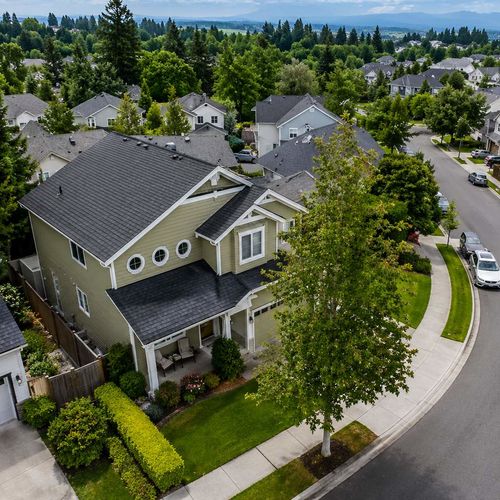
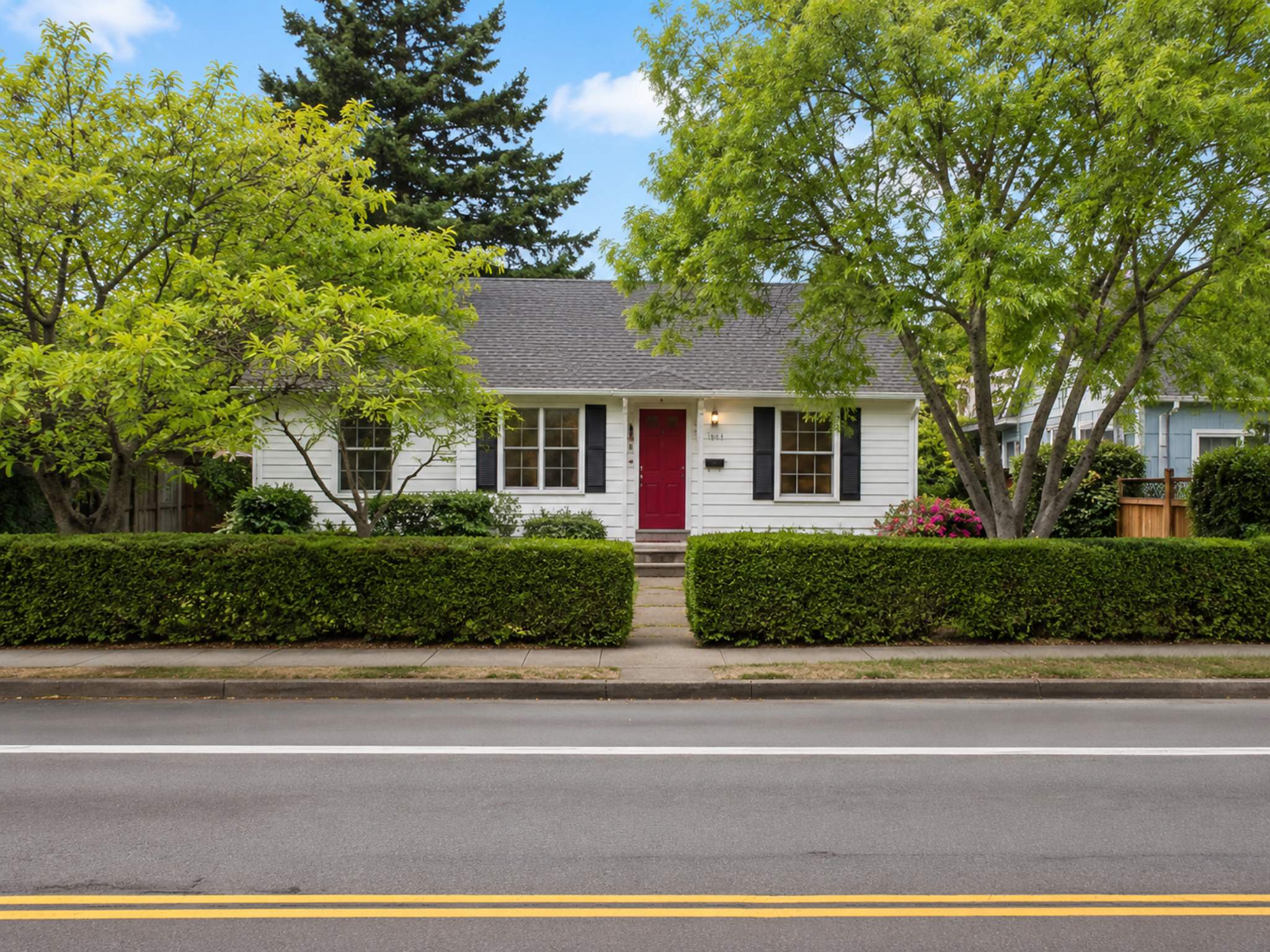
The residential fabric surrounding the NE Broadway corridor reflects the development eras that produced it — a mix of mid-century and earlier residential construction on the residential streets radiating from the commercial corridor, including Craftsman-era bungalows that share the neighborhood landscape with the mid-century ranch and split-level configurations that Vancouver's post-war residential expansion added to the inner urban residential fabric. The neighborhood's residential character is more varied in development era than Hough's more architecturally concentrated historic inventory — the Uptown Village residential surroundings include both the earlier Craftsman-era properties and the mid-century residential additions that reflect the neighborhood's longer development timeline — producing a residential landscape with genuine variety rather than the architectural concentration that Hough's tighter development era delivers.
Uptown Village is served by the Vancouver School District — with the specific school assignments for Uptown Village addresses and the magnet, specialty, and focus program options available within the district's offerings worth researching specifically for any family buyer. The district's inner urban northeast Vancouver attendance boundary produces specific school options that the pre-purchase research confirms for any specific address.
Portland International Airport is approximately 9 to 15 miles from Uptown Village, typically a 18 to 28 minute drive depending on traffic, time of day, and your specific route south across the Columbia River and east toward PDX. The inner northeast Vancouver position gives Uptown Village residents access to both the I-5 bridge crossing to the south and west and the I-205 bridge crossing to the east — providing the routing flexibility that inner Vancouver addresses offer for airport and Portland metro access that the suburban Clark County communities further from the bridge infrastructure do not independently deliver. The I-205 approach from Uptown Village's eastern position within inner Vancouver is particularly direct for airport access — avoiding the downtown Vancouver and I-5 bridge congestion dynamics that the Hough and downtown neighborhoods navigate during peak commute windows, and providing a freeway approach to PDX that most northeast Vancouver residential addresses find consistently more efficient than the I-5 crossing's peak-hour congestion. For frequent travelers and households where airport access is a meaningful daily quality-of-life factor, Uptown Village's inner northeast position delivers PDX proximity that is both genuine and specifically favorable given the I-205 approach's relative insulation from the I-5 bridge's peak-hour commute concentration.
What Your Money Gets You: Homes at Every Price Point
Uptown Village's residential market reflects the neighborhood's mixed development era character and its position as an inner northeast Vancouver community whose appeal is defined more by the commercial corridor's walkable character and the community's investment culture than by a specific and concentrated architectural identity. The housing stock spans the Craftsman-era bungalows of the neighborhood's earliest residential development through the mid-century ranch and split-level configurations that post-war Vancouver residential expansion produced on the inner northeast neighborhoods' remaining buildable parcels — creating a market with genuine variety in architectural era, lot configuration, and condition that rewards buyers who evaluate what they are specifically looking at rather than assuming uniform inventory character from the neighborhood's general residential reputation.
Here is a realistic look at what different price points deliver in this market:
$330,000 – $445,000 Entry-level Uptown Village delivers the neighborhood's older residential stock in its most original or modestly updated form — a mix of 1920s through 1950s bungalows and mid-century configurations in the 900 to 1,500 square foot range, two to three bedrooms, one to two baths, and the residential character that inner Vancouver's varied development eras produced with the lot generosity and the neighborhood stability that older residential fabric consistently delivers relative to newer suburban production at comparable price points. Some homes at this price point retain the Craftsman-era detail that the neighborhood's earliest residential development produced — original wood floors, built-in cabinetry, covered front porches, and the proportional spatial character that early 20th century residential construction delivered as a matter of course. Others are mid-century configurations whose value is in the lot depth, the neighborhood walkability, and the NE Broadway commercial corridor access rather than in the architectural character that the Craftsman-era properties independently deliver. Condition varies with the honest reality of older residential stock across multiple development eras — some homes have been maintained thoughtfully by long-term neighborhood residents whose investment in the property reflects genuine community commitment. Others carry the deferred work that extended ownership without active maintenance produces. The value at this price point is entirely genuine: NE Broadway walkability, inner Vancouver neighborhood character, no-Oregon-income-tax financial structure, and the Uptown Village community investment culture — at a price that comparable Portland northeast neighborhood addresses stopped producing for comparable lot sizes and comparable walkable commercial access many market cycles ago.
$445,000 – $580,000 This is the most active and most varied price band in the Uptown Village residential market — the range where the neighborhood's full value proposition becomes most clearly legible and where buyers who have run the inner northeast Vancouver versus comparable Portland neighborhood comparison honestly tend to arrive with conviction. Homes in this range tend to be updated or well-maintained residential properties across the neighborhood's varied development eras — two to three bedrooms, one to two baths in the Craftsman and mid-century configurations that dominate the inventory, kitchens addressed with genuine intention rather than cosmetic refreshment, and outdoor spaces that engage with the NE Broadway-adjacent residential lots' depth and the neighborhood's established tree canopy in ways that reflect actual residential use rather than display-oriented maintenance. Some homes at the upper end of this range have been renovated with genuine care — in the Craftsman-era properties, the architectural detail preserved and restored with the respect it deserves; in the mid-century configurations, the original spatial character engaged honestly rather than converted into a contemporary aesthetic that erases the building's period identity. For buyers whose walkability to NE Broadway's independent commercial culture is the primary residential criterion alongside the no-Oregon-income-tax financial structure, the community investment culture, and the inner Vancouver neighborhood authenticity — this range delivers the clearest and most complete version of what Uptown Village offers at the price point its market currently sustains.
$580,000 – $740,000 Homes at this level represent the strongest residential product Uptown Village currently offers in its established inventory — the most thoughtfully renovated Craftsman-era properties and the most extensively updated mid-century configurations where renovation quality, lot character, NE Broadway proximity, and overall livability come together at the standard that positions them at the top of the inner northeast Vancouver residential hierarchy. Fully updated two to three bedroom homes with kitchen and bath renovations that reflect genuine investment rather than sale-preparation cosmetics, outdoor spaces that take full advantage of the neighborhood's established lot culture, and the specific positioning within Uptown Village's residential geography that delivers the most walkable and the most community-integrated version of the NE Broadway commercial corridor access. For buyers whose residential criteria extend beyond the walkability and the community culture to require genuine renovation quality and architectural engagement — the combination of the Craftsman-era properties' original character fully realized through thoughtful renovation and the neighborhood's NE Broadway commercial access from an updated residential address — this range delivers the most complete version of the Uptown Village residential proposition.
$740,000 – $950,000 At this level, Uptown Village delivers its most exceptional residential product — the largest and most architecturally distinguished properties in the neighborhood's Craftsman-era inventory that have been invested in at the level their scale and their character deserve, fully renovated with the quality that positions them among the most compelling historic residential properties in the Clark County inner urban market. Four bedroom configurations in the neighborhood's most substantial Craftsman-era homes, renovation quality that reflects genuine architectural commitment rather than sale optimization, and the combination of NE Broadway walkability, lot depth, established landscape, and community investment positioning that gives the neighborhood's most distinguished historic properties their specific appeal. For buyers whose historic residential criteria and renovation quality expectations align with what the Uptown Village inventory produces at its best — this range delivers a residential experience that the comparable Portland historic neighborhoods charge meaningfully more to approximate without the Washington State financial structure that the Clark County address simultaneously provides.
$950,000 and above The upper end of the Uptown Village residential market and the immediately surrounding inner northeast Vancouver historic residential landscape is defined by the most rare and most substantially restored historic properties — the occasional estate-scale Craftsman or early residential property that the neighborhood's development history produced at its highest original investment level, brought to contemporary living standard through renovation programs that reflect genuine commitment to the historic character rather than its cosmetic approximation. These properties surface infrequently in a market where the neighborhood's characteristically modest residential footprint means that estate-scale historic properties are genuinely rare rather than simply underrepresented in any given season's active listing inventory.
Median home price in Uptown Village: The median sits in the $420,000 to $510,000 range — a figure that positions Uptown Village as one of the most financially accessible walkable neighborhood commercial corridor residential markets in the entire Pacific Northwest, delivering NE Broadway's independent commercial culture, inner Vancouver neighborhood authenticity, the no-Oregon-income-tax financial structure, and PDX proximity at a price that the comparable Portland northeast neighborhoods — Concordia, Sabin, Woodlawn, and the Mississippi Avenue and Alberta Arts District adjacent residential markets — charge meaningfully above for comparable walkable commercial access and comparable residential era character. The gap between what Uptown Village's median delivers in terms of walkable neighborhood commercial culture and community investment authenticity, and what the comparable Portland northeast neighborhood addresses charge for the same residential quality measures, is the most direct and most specific expression of the Uptown Village value proposition for the buyer who runs the honest comparison rather than defaulting to the assumption that Portland-addressed neighborhoods deliver better value than Clark County-addressed neighborhoods with comparable or superior walkable commercial character.
What About Renting in This Area?
The Uptown Village rental market reflects the neighborhood's predominantly owner-occupied inner residential character — this is a neighborhood where people purchase with the intention to participate in the community investment that makes Uptown Village what it is, and the rental inventory reflects that ownership culture in its limited but genuine supply. The rental properties in Uptown Village are primarily single-family homes offered by individual landlords alongside the accessory dwelling units that the inner Vancouver residential lots' depth occasionally accommodates alongside the primary residential structure.
Single-family home rentals in Uptown Village typically run between $1,700 and $2,900 per month depending on the size of the home, the development era and architectural character, the condition and extent of any renovation, the lot character, and the specific proximity to NE Broadway that gives the most walkably positioned rental properties their location premium. A two to three bedroom mid-century or Craftsman home in solid condition with a usable yard and NE Broadway walking access rents around $1,700 to $2,300. A larger, more extensively updated property with genuine architectural character, quality finishes, and meaningful outdoor space pushes into the $2,300 to $2,900 range.
The broader inner northeast Vancouver rental market — including the Arnada, Rose Village, and Shumway neighborhood adjacent rental inventory — provides expanded options for buyers who want to orient themselves to the inner northeast Vancouver neighborhood experience before committing to the Uptown Village purchase market, making the surrounding inner Vancouver rental landscape a practical staging option for buyers whose purchase timeline requires a rental bridge before the specific Uptown Village property that meets their criteria becomes available.
Things to Do In and Around Uptown Village
Uptown Village's position in the inner northeast fabric of Vancouver — with NE Broadway's independent commercial corridor at its center, the broader inner Vancouver historic residential landscape surrounding it, and the Columbia River waterfront's downtown Vancouver amenities within practical cycling or driving distance — places residents within a genuinely community-rich and genuinely walkable daily life infrastructure that the Clark County suburban communities consistently require a car to approximate.
NE Broadway's independent commercial corridor is the organizing center of Uptown Village's community identity — the stretch of locally owned restaurants, coffee shops, specialty retail, a community garden, a public library branch, a post office, and the community-oriented businesses that the Uptown Village neighborhood association and its resident community have cultivated through deliberate and sustained investment in the specific commercial character that makes a neighborhood commercial corridor feel genuinely different from a highway commercial strip or a chain-anchored suburban retail center. The NE Broadway corridor's character reflects the resident community's values — the businesses that have established themselves here did so in relationship with the neighborhood's social fabric rather than in response to a market analysis of maximum revenue potential, and the result is a commercial street that functions as the neighborhood's social infrastructure rather than simply its commercial convenience. For Uptown Village residents within walking distance of NE Broadway, the daily relationship with the corridor — the morning coffee at the independent cafe, the Tuesday evening dinner at the neighborhood restaurant, the Saturday morning browsing at the specialty shops — is one of the most specifically satisfying aspects of the residential experience that buyers from car-dependent suburban environments consistently describe as the most unexpectedly valuable lifestyle change the Uptown Village move produced.
The Uptown Village Community Garden is one of Clark County's most established and most actively used community growing spaces — a neighborhood institution that reflects the community's agricultural and food culture values in the direct-to-soil format that urban community gardens provide for the residential population that lacks private growing space or that values the community social function of a shared garden alongside the gardening practice itself. For Uptown Village residents whose food culture includes growing food alongside buying it from the farmers market and the independent provisions shops on NE Broadway, the community garden provides the direct agricultural participation that urban residential density would otherwise eliminate from the daily lifestyle.
The NE Broadway Farmers Market — seasonal, community-organized, and reflecting the broader Pacific Northwest food culture in the direct-to-producer format that the best neighborhood farmers markets provide — extends the NE Broadway commercial corridor's food culture into the direct-to-farm provisions access that gives the neighborhood's food relationship a seasonal and agricultural grounding that the independent restaurant and coffee shop culture alone does not fully deliver.
The Fruit Valley neighborhood and the broader inner northeast Vancouver residential landscape surrounding Uptown Village provide the mid-century and earlier residential architectural context that gives the neighborhood its specific visual and community character — the tree-lined streets, the established residential lots, and the neighborhood maturity that decades of owner-occupied residential investment in the inner Vancouver residential fabric produces and that the suburban Clark County communities are still in the process of accumulating.
Fort Vancouver National Historic Site and the Vancouver National Historic Reserve are accessible by bicycle or car from Uptown Village — the nationally significant historic site addressed in the downtown Vancouver and Hough guides providing the historical and interpretive depth that gives the inner Vancouver residential neighborhood landscape its specific cultural weight within the Clark County residential market.
The Vancouver Waterfront and Columbia River Esplanade — accessible by bicycle from Uptown Village via the inner Vancouver street network and the Renaissance Trail approach — give neighborhood residents the Columbia River waterfront access that the downtown Vancouver and Hough guides addressed as a primary daily lifestyle asset, available from Uptown Village's inner northeast position as a cycling destination rather than a walking destination but within a ride that most residents describe as one of the more enjoyable urban cycling commutes available in Clark County.
Esther Short Park and the downtown Vancouver Saturday Farmers Market — accessible by bicycle or a short drive from Uptown Village — provide the community farmers market and urban gathering space infrastructure that the broader inner Vancouver neighborhood landscape shares across its residential geography.
The Burnt Bridge Creek Trail — accessible from Uptown Village's residential edges and extending through the broader northeast Vancouver residential fabric — provides the multi-use trail infrastructure connecting the inner Vancouver neighborhoods to the broader Clark County trail network and offering walking, running, and cycling access through the natural open space corridor that the Burnt Bridge Creek greenway maintains through the developed residential fabric.
Leverich Park — one of the larger community parks in the Vancouver residential landscape — is accessible from Uptown Village's northeastern residential edges, providing athletic fields, open green space, walking paths, and the community park infrastructure that the surrounding northeast Vancouver residential neighborhoods depend on for organized recreational programming and informal community gathering.
The Columbia River Gorge is 25 to 35 minutes east — the world-class outdoor recreation corridor accessible from Uptown Village's inner northeast position with the I-205 approach's routing efficiency that the neighborhood's eastern position within inner Vancouver makes particularly direct.
Portland's inner northeast neighborhoods — the Alberta Arts District, the Mississippi Avenue corridor, and the broader inner northeast Portland commercial culture — are accessible across the I-205 bridge crossing in a commute that Uptown Village residents describe as one of the more practically connected cross-river neighborhood relationships available in the Clark County residential market, with the inner northeast positioning on both sides of the river producing a commute that most residents describe as meaningfully shorter and more direct than the downtown Vancouver-to-inner-Portland crossing's routing complexity.
Portland is across the bridge — accessible from Uptown Village's I-205 approach in a commute that reflects the inner northeast Vancouver position's routing advantage over the I-5 bridge crossing for Portland destinations in the inner eastside and southeast quadrants that constitute much of the Portland employment and cultural activity that Uptown Village's Portland-employment buyer demographic accesses regularly.
Where to Eat
Uptown Village's dining scene is the neighborhood's most specific and most community-defining asset — the NE Broadway corridor's independent restaurant culture reflecting the resident community's investment in its own neighborhood commercial infrastructure with a specificity and a consistency that no amount of suburban commercial development programmed by market analysis rather than community relationship produces regardless of its investment level.
Farrar's Bistro is Uptown Village's most established and most celebrated independent restaurant — a neighborhood bistro that has served the NE Broadway corridor's resident community with the consistent quality and the community relationship that genuinely neighborhood-embedded restaurants build over years of showing up rather than through a single defining culinary moment or a marketing cycle's enthusiasm. The kitchen's Pacific Northwest sensibility and the wine list's regional orientation reflect the community's food and wine culture expectations with the unpretentious quality that a neighborhood restaurant earns by serving its neighbors rather than its reputation. For Uptown Village residents, Farrar's is the neighborhood restaurant in the most complete sense — the place where the birthday dinner happens and where the Tuesday evening happens with equal ease, earned through years of being reliably good rather than occasionally extraordinary.
The Salmon Creek Brewery and similar NE Broadway craft beer and casual dining establishments serve the neighborhood's social gathering culture with the community taproom function that urban residential neighborhoods depend on for the informal social infrastructure that the best neighborhood breweries provide when they are genuinely embedded in their community's daily life rather than positioned as destinations for visitors from elsewhere. The NE Broadway brewery and taproom culture gives Uptown Village residents the neighborhood gathering option that a community organized around its own commercial corridor produces when its residents support what they want to see maintained rather than simply consume what the market provides.
The independent coffee shops along NE Broadway — including the established neighborhood cafes that have built their morning ritual following through the consistent quality and the community relationship that independent coffee shops develop when their customer base is walking distance rather than driving distance — provide the daily coffee culture infrastructure that Uptown Village's walkable NE Broadway corridor delivers as a residential quality-of-life asset. For residents whose morning routine includes the walk to the neighborhood coffee shop rather than the drive-through or the home machine, the NE Broadway corridor's independent cafe culture is one of the more specifically satisfying aspects of the Uptown Village residential experience — the kind of daily neighborhood commerce that urban planners design for and that markets rarely sustain without the community investment that Uptown Village's resident base has provided across multiple decades of deliberate neighborhood commercial stewardship.
The specialty food retail along NE Broadway — the independent provisions shops, the neighborhood market, and the food-culture retail that the corridor's independent commercial character has attracted alongside the restaurant and cafe tenants — extends the dining culture into the provisions and direct-to-consumer food purchasing access that a neighborhood with genuine food culture investment produces when its commercial corridor reflects the resident community's values rather than a market analysis of maximum throughput per square foot.
The NE Broadway Farmers Market provides the seasonal direct-to-farm provisions culture and the community gathering function addressed in the neighborhood assets section — extending the corridor's food culture into the producer-to-resident format that the Pacific Northwest's agricultural production makes genuinely meaningful when the market reflects actual regional production rather than the aggregated national supply chain that most farmers markets increasingly represent.
The Alberta Arts District and the Mississippi Avenue corridor across the I-205 bridge in Portland — accessible in the commute time that the inner northeast Vancouver position's routing proximity makes more practical from Uptown Village than from most Clark County residential communities — provide the broader Pacific Northwest independent commercial culture and the nationally recognized restaurant and arts corridor character that the comparable Portland northeast neighborhoods deliver alongside their own residential markets. For Uptown Village residents whose social and cultural orbit extends across the bridge into Portland's inner northeast, the routing proximity makes the Alberta Arts District and the Mississippi Avenue corridor effectively an extension of the neighborhood's own commercial range rather than a separate destination requiring deliberate planning.
Downtown Vancouver's Main Street corridor and waterfront dining cluster — accessible by bicycle or a short drive south from Uptown Village — provides the downtown Vancouver dining culture addressed in the downtown guide, with the waterfront dining and the Main Street independent restaurant ecosystem giving Uptown Village residents a second direction for the dining occasions that call for a change of neighborhood scene rather than the familiar NE Broadway experience.
Portland's full restaurant landscape across the bridge provides the complete Portland culinary culture for the occasions that genuinely call for the city's nationally recognized food scene — accessible from Uptown Village's I-205 routing approach in a commute that reflects the inner northeast position's particular efficiency for Portland inner eastside and southeast dining destinations.
The honest framing: Uptown Village is a neighborhood where the NE Broadway corridor's independent commercial culture is the dining experience rather than a supplement to it — the neighborhood's food and drink identity organized around the locally owned restaurants, the craft beer taprooms, the independent coffee shops, and the seasonal farmers market that the resident community has built and sustained through deliberate investment in its own commercial infrastructure. Buyers who value that specific commercial character — the independent restaurant over the chain, the neighborhood taproom over the regional brewery's satellite location, the community farmers market over the national grocery chain's organic section — will find Uptown Village's NE Broadway corridor one of the more specifically satisfying expressions of Pacific Northwest neighborhood commercial culture available from a Washington State residential address at the price point the Clark County market currently sustains.
Who Buys in Uptown Village?
After nearly three decades working the Clark County market, the Uptown Village buyer is the most specifically community-culture-driven and the most independent-commercial-corridor-organized residential profile in the entire Clark County content library — and that community orientation is the most reliable predictor of how deeply any given buyer will integrate into the neighborhood and how satisfying they will find the residential experience across the full commitment of ownership rather than the initial excitement of discovery.
They are independent commercial corridor devotees whose residential criterion is genuine walkability to a neighborhood commercial district with genuinely independent tenants — buyers who have been living in suburban Clark County communities or suburban Portland neighborhoods where the nearest commercial corridor is anchored by national chains and designed for car access rather than pedestrian use, and who have decided that the specific lifestyle quality of walking out the front door to a neighborhood coffee shop, a neighborhood restaurant, and a neighborhood market is worth the deliberate residential search that finding it in the Pacific Northwest residential market requires. For these buyers, NE Broadway is not a neighborhood amenity — it is the organizing residential criterion that makes Uptown Village the specific answer to what they have been looking for rather than one option among several they are comparing.
They are Portland-to-Vancouver relocation buyers who have specifically identified Uptown Village's NE Broadway character as the Clark County equivalent of the Alberta Arts District or the Mississippi Avenue corridor community that their Portland address currently provides — buyers who have run the no-Oregon-income-tax calculation with genuine financial specificity, found the Washington State address's financial advantage compelling, and are making the specific geographic assessment of which Clark County neighborhood delivers the most comparable walkable independent commercial corridor experience to the Portland inner northeast neighborhood they are leaving. For these buyers, the NE Broadway corridor's independent commercial character is the cultural continuity that makes the Columbia River bridge crossing feel like a neighborhood change rather than a lifestyle change — and that assessment, made honestly by buyers who know both sides of the river's neighborhood commercial landscape, consistently identifies Uptown Village as the Clark County neighborhood that delivers the Portland inner northeast commercial culture from a Washington State address most completely.
They are community builders whose residential criteria include genuine neighbor relationships, active neighborhood association participation, and the specific social fabric that a neighborhood organized around a shared commercial corridor and a shared community investment culture produces when its residents choose it deliberately. These buyers have lived in suburban developments where the neighborhood identity is defined by the developer's marketing rather than by the residents' choices, and they have found in Uptown Village the Clark County neighborhood whose community identity reflects genuine resident investment — the neighborhood association's event programming, the community garden's shared agricultural culture, the NE Broadway corridor's retail stewardship — in ways that most Clark County suburban communities have not independently produced regardless of their amenity packages.
They are food and independent retail culture buyers whose daily food life is organized around the direct-to-producer relationship with the farmers market, the independent restaurant's seasonal menu, and the neighborhood coffee shop's single-origin rotation rather than around the chain commercial infrastructure that suburban corridors provide as the default commercial landscape. For these buyers, the NE Broadway corridor's food culture — the independent restaurants, the community garden, the farmers market, the provisions shops — is the residential infrastructure they have been searching for, and Uptown Village's delivery of that infrastructure from a Washington State residential address at a Clark County price point is the specific residential value that the honest Pacific Northwest neighborhood comparison produces when it is conducted without the assumption that Portland-addressed neighborhoods automatically deliver superior independent commercial culture.
They are buyers from Portland's inner northeast who have discovered Uptown Village through the specific research that a Columbia River bridge crossing's curiosity eventually produces in Portland residents who are running the no-Oregon-income-tax calculation for the first time and who follow that calculation across the bridge to see what the Clark County residential landscape actually provides at comparable price points. These buyers tend to arrive at Uptown Village in two stages — first the financial discovery that the Washington State tax advantage is real and significant, and then the neighborhood discovery that the NE Broadway corridor's independent commercial character is comparable to the Portland neighborhoods they are leaving in ways that the broader Clark County suburban reputation did not prepare them to expect. The second discovery is consistently the more surprising and the more decisive.
They are, consistently, buyers who describe Uptown Village as delivering more community investment, more NE Broadway commercial authenticity, and more walkable daily life quality than the broader Clark County residential reputation suggested — and who report that the specific experience of living in a neighborhood whose commercial corridor reflects the resident community's values rather than a market analysis is one of the more specifically satisfying aspects of the Uptown Village residential choice.
What You Should Know Before You Commit
Uptown Village rewards buyers who engage with the neighborhood's mixed residential era character, the inner Vancouver urban context's specific conditions, and the NE Broadway corridor's genuine ongoing development arc with the same community-investment honesty that the neighborhood's own residents apply to the commercial and social infrastructure they have built.
The mixed residential era character produces the condition variability that any inner Vancouver neighborhood spanning Craftsman-era bungalows through mid-century residential configurations consistently generates — the inspection requirements vary meaningfully by building era, and the specific condition assessment for any Uptown Village property being seriously considered is more consequential than the neighborhood's general character suggests from the outside. The Craftsman-era properties carry the historic residential inspection requirements addressed in the Hough guide — knob-and-tube electrical, galvanized plumbing, foundation variability, and the Pacific Northwest moisture management demands that a century of residential use in the region's wet climate produces. The mid-century configurations carry their own era-specific inspection considerations — asbestos-containing materials in insulation and flooring, early panel configurations, and the deferred maintenance patterns that mid-century residential stock in an owner-occupied urban neighborhood accumulates through the extended ownership cycles that neighborhood loyalty produces. Working with an inspector who has genuine experience with Pacific Northwest residential construction across multiple eras — and who evaluates each building's specific systems against the standards appropriate to its construction era rather than the uniform expectations of contemporary construction — is the pre-purchase professional investment that serves Uptown Village buyers across the neighborhood's varied inventory.
The NE Broadway corridor's genuine ongoing development arc means that the neighborhood is still becoming more of what it is rather than having already arrived at a fixed and settled commercial character. The corridor's independent tenants evolve — some businesses that currently anchor the commercial culture will change over the ownership tenure that a residential purchase represents, and new independent businesses will arrive to fill the gaps that departures create in a community whose resident base is genuinely invested in maintaining the independent commercial character rather than simply accepting whatever the market provides as a replacement. Understanding this ongoing character as a feature of genuine neighborhood commercial culture rather than a deficiency of commercial stability is the framing that serves Uptown Village buyers better than expecting a fixed and immutable commercial landscape from a neighborhood whose dynamism reflects genuine community investment rather than static commercial programming.
The inner northeast Vancouver urban context varies across the neighborhood's residential geography in ways that the NE Broadway corridor's commercial energy does not uniformly represent — the blocks closest to the arterial corridors carry the ambient traffic and commercial adjacency character that inner urban residential proximity to major streets consistently produces, while the interior residential blocks further from the primary arterials deliver the residential quietude that buyers drawn to the neighborhood's community character frequently prioritize alongside the NE Broadway walkability. Understanding the specific urban context character of any Uptown Village property being seriously considered — and spending time in the neighborhood at different times of day and on different days of the week to experience the ambient conditions rather than the curated showing experience — is the pre-purchase orientation that distinguishes buyers who arrive at Uptown Village with honest eyes from those who discover the urban context's specific conditions after the purchase.
The Vancouver School District's specific school assignments for Uptown Village addresses deserve the same specific research that family buyers' educational priorities require — confirmation of the specific schools serving the specific address and the program options available within the district's inner northeast Vancouver attendance boundary rather than the assumption from the district's general reputation.
Thinking About a Home in Uptown Village?
Uptown Village inventory at the quality end — the most thoughtfully renovated Craftsman-era properties within walking distance of NE Broadway's independent commercial corridor, and the most extensively updated mid-century configurations on the neighborhood's most established residential streets — moves with the momentum that genuine community investment, NE Broadway walkability, and Washington State financial advantage together create in a buyer pool that knows what it is looking for and recognizes it with genuine conviction when it appears. I know the Clark County inner northeast market, I know the Uptown Village neighborhood at the street level that nearly three decades of working this market produces, and I will give you a straight read on what you are looking at — the property's specific era and the inspection framework it requires, the specific street's NE Broadway proximity and urban context character, the school assignment confirmation, and the complete total cost of ownership picture alongside the no-Oregon-income-tax financial calculation that every Portland professional considering a Clark County address owes themselves before making a residential purchase without fully understanding what the Washington State address provides in exchange.
See more about Uptown Village
Want to learn more about the Uptown Village neighborhood and homes?
Homes for sale in Uptown Village: https://jamiemeushawrealestate.com/properties/?box=-122.68138093725133%2C45.63464549895613%2C-122.66694592830987%2C45.64314014047778
Watch more local real estate insights on my YouTube channel:
https://www.youtube.com/@JamieMeushaw
Sign up for my weekly newsletter for real estate tips and market updates:
https://jamiemeushawrealestate.com/newsletter
Check out this article next