


Where Exactly Is Harney Heights?
Harney Heights is a residential neighborhood within the city of Vancouver, Washington, positioned in the inner northeast quadrant of the city — generally north of Fourth Plain Boulevard, west of the NE Andresen Road corridor, east of the McLoughlin Boulevard approach, and south of the SR-500 highway corridor that defines the transition between the inner northeast Vancouver residential fabric and the suburban north Clark County communities pushing toward Hazel Dell and beyond. The neighborhood occupies the residential geography between the Fourth Plain Boulevard commercial corridor to the south — which connects it to the inner Vancouver historic neighborhoods of Hough, Uptown Village, and the Hudson's Bay district — and the SR-500 highway approach that marks the inner northeast's northern boundary before the north Vancouver suburban residential expansion begins its progression toward the Salmon Creek and Battle Ground corridors.
The neighborhood takes its name from General William Selby Harney — the U.S. Army commander whose post-Mexican War military career brought him to Fort Vancouver in the 1850s as the commander of the Department of Oregon, and whose military presence in the Pacific Northwest shaped the early American territorial administration of the region in ways that echo through the historical geography that gives the inner Vancouver residential landscape its specific sense of place. That historical naming context connects Harney Heights to the Fort Vancouver National Historic Reserve's broader cultural geography in the way that the inner Vancouver neighborhood naming conventions consistently do — the neighborhood's name reflecting the military and settlement history of the land it occupies rather than the developer branding conventions that subsequent suburban residential development applied to the Clark County landscape in the absence of the underlying historical geography that the inner Vancouver communities carry as a matter of residential fact.
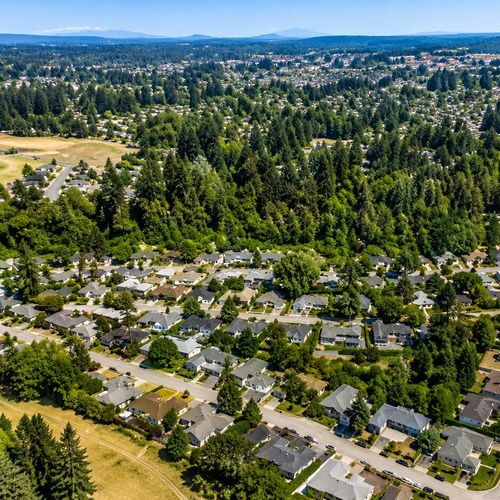
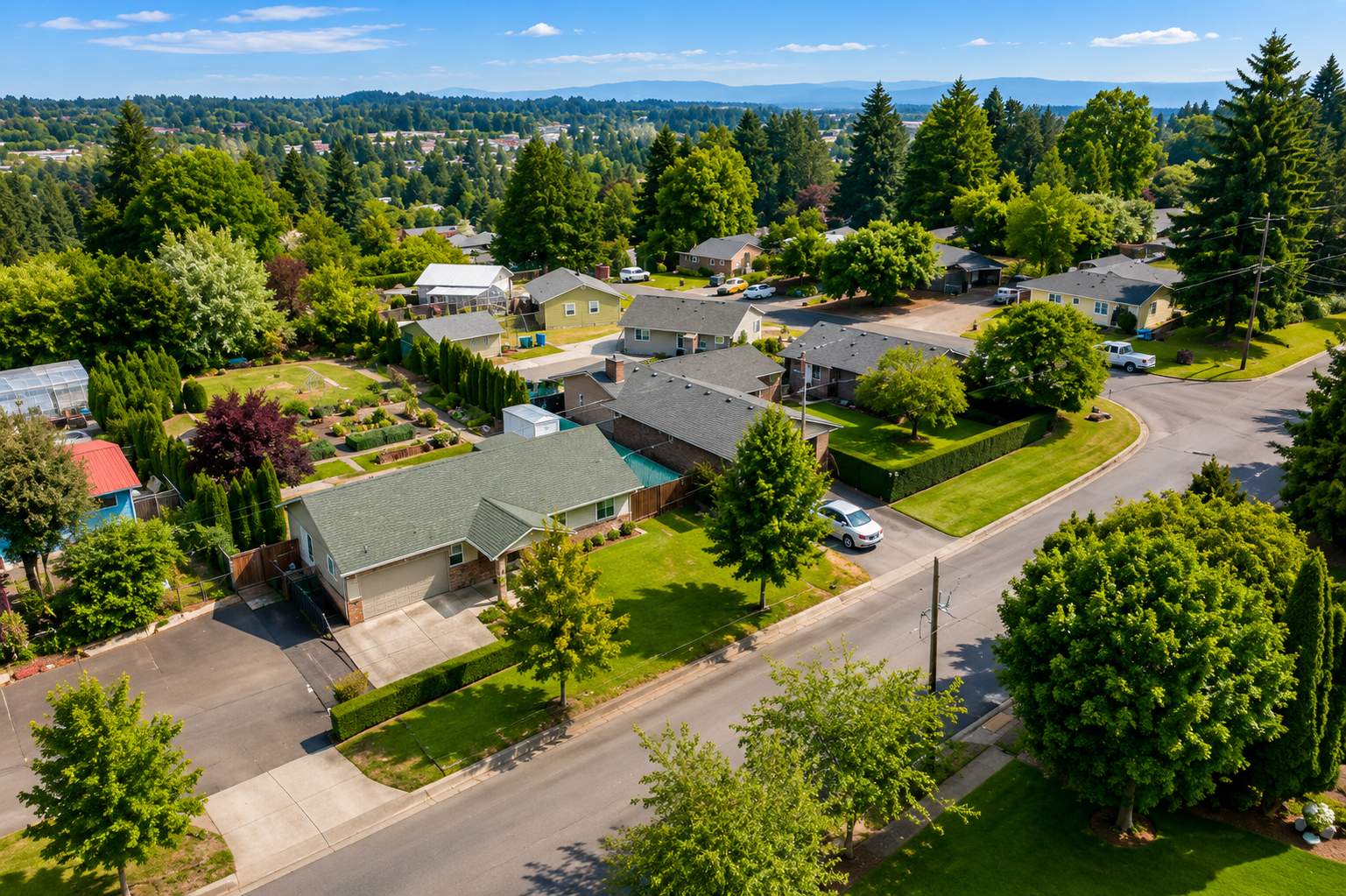
The residential fabric reflects the development era that produced it — primarily mid-century single-family residential construction from the late 1940s through the 1960s that defines the neighborhood's core residential character, with the lot generosity, the established tree canopy, and the neighborhood maturity that Vancouver's post-war residential expansion delivered across the inner northeast city's buildable land when the development economics of the era allowed the residential density that preserves the backyard culture and the residential breathing room that later suburban development increasingly compressed. The mid-century residential character produces the specific residential quality that Harney Heights buyers consistently describe as the most unexpected and the most durable aspect of the residential experience — the backyard that actually functions as a backyard rather than a maintenance obligation, the street trees that create the overhead canopy character that distinguishes the inner northeast Vancouver residential streetscape from the sun-exposed streets of the suburban north Vancouver communities beyond SR-500, and the neighborhood stability that genuine long-term owner investment in an established inner northeast residential community builds into the community fabric over multiple decades of genuine residential tenure.
Harney Heights is served by the Vancouver School District — with the specific school assignments for Harney Heights addresses and the magnet, specialty, and focus program options available within the district's offerings worth researching specifically for any family buyer. The inner northeast Vancouver attendance boundary produces specific school options that the pre-purchase research confirms for any specific address, and the district's magnet and specialty program landscape provides choice options beyond the proximity-based assignment that the pre-purchase engagement with the district's enrollment process makes available for households whose educational priorities extend beyond the immediate attendance area assignment.
Portland International Airport is approximately 9 to 15 miles from Harney Heights, typically a 17 to 27 minute drive depending on traffic, time of day, and your specific route south across the Columbia River and east toward PDX. The inner northeast Vancouver position gives Harney Heights residents access to both the I-5 bridge crossing via the Fourth Plain Boulevard southwestern approach and the I-205 bridge crossing via the NE Andresen Road and Mill Plain corridor eastern approach — providing the routing flexibility that inner northeast Vancouver addresses offer for airport and Portland metro access in both directions. The I-205 approach is particularly efficient for PDX access from the inner northeast positioning — avoiding the downtown Vancouver and I-5 bridge peak-hour congestion that the more western inner Vancouver neighborhoods navigate while connecting directly to the freeway infrastructure that delivers the airport approach without the two-lane highway dynamics that the suburban north Clark County communities navigate before reaching comparable freeway access. For frequent travelers and households where airport access is a meaningful daily quality-of-life factor, Harney Heights delivers PDX proximity that its price point does not fully reflect in comparison to what comparable airport efficiency and comparable northeast Vancouver residential character costs in the recognized inner neighborhoods to the southwest or the comparable Portland northeast neighborhoods across the bridge.
What Your Money Gets You: Homes at Every Price Point
Harney Heights' housing market reflects the neighborhood's mid-century residential character and the specific combination of inner northeast Vancouver positioning, mature tree canopy, genuine lot culture, and established community stability that the Harney Heights address provides alongside the mid-century residential inventory's inherent condition variability. The housing stock is primarily the post-war single-family configurations that Vancouver's northeast residential expansion delivered — ranch-style and modest split-level constructions on the generous lots that the development era built into the residential standard — producing a market where the lot size, the overhead canopy, and the neighborhood stability consistently provide more per dollar than the interior update level alone suggests, and where the buyers who evaluate what they are purchasing for its genuine residential quality rather than its surface presentation find real opportunity that buyers optimizing exclusively for visual readiness consistently overlook.
Here is a realistic look at what different price points deliver in this market:
$320,000 – $425,000 Entry-level Harney Heights delivers the neighborhood's mid-century residential stock in its most original or modestly updated form — primarily late 1940s through 1960s single-family construction in the 1,000 to 1,600 square foot range, two to three bedrooms, one to two baths, and the ranch-style residential configurations that post-war Pacific Northwest residential construction produced with the structural honesty and the lot generosity that building for permanence in an inner northeast Vancouver residential community historically provided. Lots at this price point reflect the development era's generosity — deeper, more usable, and more privately positioned than the tighter configurations that more recent suburban residential production delivers at comparable absolute prices in the broader Clark County market. The mature street tree canopy overhead and the established residential landscape within the lot boundaries reflect the multiple decades of genuine owner investment that an inner northeast Vancouver neighborhood's residential community produces when its residents treat their addresses as permanent rather than transitional. Condition varies with the honest reality of mid-century residential stock across multiple ownership histories — some homes maintained by long-term Harney Heights residents whose investment in the property reflects genuine community permanence, others carrying the accumulated deferred work that older residential properties develop through extended ownership cycles without active maintenance investment. The value is entirely genuine for the buyer whose primary criterion is the most financially accessible entry into an established inner northeast Vancouver residential community at a price that the inner historic neighborhoods to the southwest stopped producing at comparable property sizes and comparable neighborhood maturity many market cycles before the Clark County no-Oregon-income-tax advantage made the honest comparison worth running.
$425,000 – $555,000 This is the most active and most revealing price band in the Harney Heights market — the range where the neighborhood's full residential value proposition becomes most clearly legible and where buyers who have run the inner northeast Vancouver versus comparable Portland northeast neighborhood comparison honestly tend to arrive with the most conviction. Homes in this range tend to be updated or well-maintained mid-century residential properties in the 1,400 to 2,100 square foot range — two to three bedrooms, one to two baths, kitchens addressed with genuine intention in the last decade, and yards that take full advantage of the neighborhood's mid-century lot culture and the established overhead canopy in ways that reflect actual residential use rather than display-oriented maintenance. Some homes at the upper end of this range have been renovated with genuine care — the mid-century spatial character engaged honestly, kitchens opened toward the outdoor space in ways that reflect how the post-war residential floor plan's relationship with the backyard was always intended to work, and the original material quality preserved and restored rather than replaced with contemporary substitutes that cost more and deliver less character. For buyers whose inner northeast Vancouver positioning, established neighborhood character, efficient I-205 routing, and Washington State financial structure combine to produce Harney Heights as the honest answer to their residential search — this range delivers the clearest and most complete version of what the neighborhood offers.
$555,000 – $710,000 Homes at this level represent the strongest residential product Harney Heights currently offers in its established mid-century inventory — the most thoughtfully renovated properties where renovation quality, lot character, neighborhood positioning, and overall livability come together at the standard that positions them at the top of the inner northeast Vancouver mid-century residential hierarchy. Fully updated two to three bedroom mid-century homes with kitchen and bath renovations that reflect genuine investment in livability rather than sale-preparation cosmetics, outdoor spaces that take full advantage of the mid-century lot culture's generous dimensions and the established neighborhood landscape's maturity, and the specific positioning within Harney Heights' residential geography that delivers the most complete combination of Fourth Plain Boulevard commercial access to the south, SR-500 routing flexibility to the north, and the established residential quietude of the interior neighborhood blocks that the mature tree canopy and the mid-century lot depth produce away from the primary arterial and highway infrastructure. For buyers whose residential criteria extend beyond the affordability and the northeast positioning to require genuine renovation quality alongside the neighborhood's established character and the Washington State financial structure — this range delivers the most complete version of the Harney Heights residential proposition.
$710,000 – $900,000 At this level, Harney Heights delivers its most exceptional residential product — the largest and most substantially renovated mid-century properties in the neighborhood's inventory that have been invested in at the level their scale, their inner northeast Vancouver positioning, and their established neighborhood character together deserve. Four bedroom mid-century configurations brought to contemporary living standards through renovation programs that reflect genuine architectural engagement with the post-war residential character, the combination of lot depth, established overhead canopy, and neighborhood stability that the most distinguished properties in the inner northeast Vancouver residential fabric produce when their owners have treated the residential investment as a permanent commitment rather than a transitional position. For buyers whose renovation quality expectations and neighborhood character requirements align with what Harney Heights' most exceptional inventory produces at this level — this range delivers a residential experience that the comparable Portland northeast residential communities price meaningfully above without the Washington State financial structure that the Clark County address simultaneously provides.
Median home price in Harney Heights: The median sits in the $400,000 to $475,000 range — a figure that positions Harney Heights as one of the more financially accessible established inner northeast Vancouver residential communities with genuine mid-century lot culture, mature tree canopy, efficient I-205 routing to PDX and Portland's inner northeast quadrant, and Washington State no-Oregon-income-tax financial structure. The gap between what the Harney Heights median delivers in terms of inner northeast Vancouver positioning, established neighborhood character, mid-century lot culture, and financial structure, and what the comparable Portland northeast residential neighborhoods — the Concordia, Vernon, and Woodlawn adjacent residential fabric in Portland's inner northeast — charge for equivalent established neighborhood character and equivalent residential era properties at comparable absolute distances from the Columbia River bridge crossings, is the most direct and most specific expression of the Harney Heights value proposition for the buyer whose residential search is organized around established neighborhood character, mid-century lot culture, and financial structure rather than around the specific architectural distinction or the independent commercial corridor walkability that the premium inner Vancouver neighborhoods command at higher price points.
What About Renting in This Area?
The Harney Heights rental market reflects the neighborhood's predominantly owner-occupied inner northeast residential character — the established community stability and the mid-century lot culture that attract owner-occupants with genuine long-term community investment intent create the ownership tenure that limits rental inventory turnover. Rental properties are primarily single-family homes offered by individual landlords alongside the occasional accessory dwelling unit that the mid-century lot culture's depth accommodates alongside the primary residential structure.
Single-family home rentals in Harney Heights typically run between $1,650 and $2,650 per month depending on the size of the home, the condition and recency of any renovation, the lot character, and the specific positioning within the neighborhood's residential geography relative to the primary arterial corridors and the interior residential blocks' quietude. A two to three bedroom mid-century home in solid condition with a usable yard and standard garage rents around $1,650 to $2,100. A larger, more extensively updated property with quality finishes, meaningful outdoor space, and interior block positioning that maximizes the neighborhood's residential quietude alongside the mid-century lot culture pushes into the $2,100 to $2,650 range.
The broader inner northeast Vancouver residential rental market adjacent to Harney Heights — including the Fourth Plain Boulevard corridor adjacent multi-family inventory and the broader Hazel Dell and SR-500 corridor rental supply to the north — provides expanded options for renters whose rental search extends beyond the immediate neighborhood's limited supply, making the surrounding inner northeast Vancouver rental landscape a practical staging option for buyers whose purchase timeline requires a rental bridge.
Things to Do In and Around Harney Heights
Harney Heights' position in the inner northeast Vancouver residential fabric — north of the Fourth Plain Boulevard commercial corridor that connects it to the inner Vancouver cultural and historical assets to the west, south of the SR-500 corridor that opens to the north Vancouver and Hazel Dell recreational and commercial infrastructure beyond, and east of the McLoughlin Boulevard historical corridor approach to the Fort Vancouver National Historic Reserve — places residents within a genuinely complete daily life range that the inner northeast positioning and the I-205 routing efficiency make specifically practical without the premium that the more recognized inner Vancouver neighborhoods charge for their more westerly proximity to the same infrastructure.
The Fourth Plain Boulevard commercial corridor to the south provides the primary everyday commercial infrastructure that inner northeast Vancouver residential life depends on for practical daily function — grocery, pharmacy, medical, dental, casual dining, and the everyday service categories that a major urban arterial's commercial density produces for the surrounding residential community. The Fourth Plain corridor's ethnic and cultural commercial variety — reflecting the demographic diversity of the inner northeast Vancouver residential community — gives Harney Heights residents access to the Vietnamese, Mexican, and broader ethnic food culture that the Fourth Plain commercial infrastructure generates from the north-central and inner northeast Vancouver residential community's demographic character, providing one of the more genuinely diverse and specifically value-oriented everyday commercial ecosystems accessible from any established inner Vancouver residential address.
Burnt Bridge Creek Trail — the multi-use trail network that is the inner northeast Vancouver's most significant outdoor recreational infrastructure — is accessible from Harney Heights' residential fabric and provides the walking, running, and cycling access through the natural open space corridor that the Burnt Bridge Creek greenway maintains through the developed inner northeast residential landscape. For Harney Heights residents whose daily outdoor practice includes consistent movement through natural habitat within the residential range rather than requiring a dedicated drive to a distant trailhead, the Burnt Bridge Creek Trail's accessibility from the inner northeast position is one of the more specifically valuable practical daily outdoor assets available from an established inner Vancouver residential address.
Leverich Park — one of Vancouver's larger and more complete community parks — is accessible from Harney Heights' southwestern residential edges, providing the athletic field, open green space, and community gathering infrastructure that the surrounding inner Vancouver residential neighborhoods share as a community recreational resource. The park's scale and its community programming infrastructure make it one of the more specifically valuable park assets accessible from the inner northeast Vancouver residential community without a dedicated regional park drive.
Fort Vancouver National Historic Site and the Vancouver National Historic Reserve — accessible within a short drive southwest from Harney Heights via the McLoughlin Boulevard corridor — provide the nationally significant historical and interpretive programming that gives the inner Vancouver residential community access to one of the Pacific Northwest's most historically significant national park sites within the city's own residential geography. For Harney Heights residents whose residential address carries the name of one of Fort Vancouver's most significant commanding officers, the historical geography's proximity adds a specific and genuinely irreplaceable layer to the neighborhood's sense of place that the casual naming connection between Harney Heights and General Harney's Fort Vancouver command makes specifically compelling.
Officers Row and the McLoughlin Boulevard historical corridor — accessible by a short drive west from Harney Heights — provide the historically distinguished Victorian residential streetscape and the historical corridor character that connects the inner northeast Vancouver residential community to the Fort Vancouver site and the Columbia River waterfront's southern approach. The McLoughlin Boulevard corridor's historical significance and its pedestrian and cycling connectivity give Harney Heights residents a historically contextual connection to the inner Vancouver neighborhood landscape that the northeastern positioning delivers at a price point the more directly adjacent historical neighborhoods price above.
The Vancouver Waterfront and Columbia River Esplanade — accessible within a practical drive southwest from Harney Heights — provide the revitalized esplanade and the Columbia River's daily presence as a recreational and dining destination within the routine drive that most Harney Heights residents describe as a regular rather than occasional commitment.
Hazel Dell and the north Vancouver commercial corridor — accessible via the SR-500 approach to the north — extends Harney Heights' practical commercial range into the broader north Clark County commercial infrastructure, adding the commercial completeness of the Hazel Dell commercial corridor to the practical daily life range that the Fourth Plain approach to the south independently provides. For Harney Heights residents whose routine commercial needs occasionally require the broader north Vancouver commercial variety, the SR-500 approach northward makes the Hazel Dell corridor a practical extension rather than a dedicated destination trip.
The Columbia River Gorge is approximately 20 to 28 minutes east via the I-205 approach — efficiently accessible from Harney Heights' inner northeast position via the Andresen Road approach to I-205 east, providing the world-class outdoor recreation corridor's western entry within a drive that reflects the inner northeast Vancouver position's relatively direct I-205 routing to the Gorge's Washington and Oregon side trail infrastructure. For Harney Heights residents whose outdoor recreational practice includes the Gorge's waterfall hikes, the Hamilton Mountain and Cape Horn trails on the Washington side, and the broader Gorge outdoor corridor, the I-205 routing efficiency from the inner northeast position makes the Gorge more casually accessible than from the more western inner Vancouver neighborhoods whose downtown approach to I-205 east adds navigation complexity before the freeway access begins.
Salmon Creek Regional Park — approximately 15 to 20 minutes north via the SR-500 approach — provides one of the more expansive natural open space experiences accessible from the inner northeast Vancouver corridor, with wetland habitat, creek-side trails, bird watching, and the natural environment that offers genuine contrast to the surrounding residential development. For Harney Heights residents whose outdoor practice extends beyond the Burnt Bridge Creek Trail's immediate corridor into the broader north Clark County regional park infrastructure, Salmon Creek's accessibility via the SR-500 northern approach makes it a practical rather than exceptional recreational commitment.
The Uptown Village NE Broadway corridor — accessible approximately 15 to 20 minutes southwest by car from Harney Heights — provides the independent restaurant and craft beer culture that the adjacent inner Vancouver neighborhood has built into one of Clark County's most community-invested commercial dining environments. For Harney Heights residents whose social and commercial life includes the genuinely independent restaurant character and the craft beer taproom culture that the NE Broadway corridor delivers, the drive southwest makes the Uptown Village commercial experience a regular rather than exceptional outing.
Portland's inner northeast neighborhoods — the Alberta Arts District, the Mississippi Avenue corridor, and the broader inner northeast Portland commercial and cultural landscape — are accessible via the I-205 bridge crossing in a commute that Harney Heights' inner northeast positioning makes specifically efficient. The I-205 bridge connects the inner northeast Vancouver residential community to Portland's inner northeast at a routing distance that reflects the geographic proximity of the two cities' northeast quadrants across the Columbia River — producing one of the more specifically natural cross-river neighborhood relationships available from any established inner Vancouver residential address for buyers whose professional and social life extends into Portland's inner northeast cultural corridor.
Portland is across the bridge — accessible from Harney Heights' inner northeast position via both the I-5 approach through the Fourth Plain Boulevard southwest routing and the I-205 approach through the Andresen Road eastern routing. The routing flexibility that the inner northeast position provides — choosing the less congested bridge crossing on any given morning based on real-time conditions rather than committing to a single approach from a suburban Clark County position that limits the routing choice — is one of the more specifically practical daily commute assets of the inner Vancouver residential address that the suburban Clark County communities further from the bridge infrastructure do not independently deliver.
Where to Eat
Harney Heights' dining scene reflects the neighborhood's inner northeast Vancouver position — anchored by the Fourth Plain Boulevard corridor's genuine ethnic food diversity to the south, extended by the Hazel Dell and north Vancouver commercial infrastructure to the north via SR-500, and supplemented by the inner Vancouver independent commercial culture accessible by a practical drive to the southwest. The combination produces a dining radius that serves the everyday rotation from the immediate commercial adjacency with genuine ethnic food variety and reserves the more destination-worthy dining experiences for the inner Vancouver corridors and the Portland metro accessible within the commute times that the inner northeast position's dual bridge routing makes practically available in both directions.
The Fourth Plain Boulevard dining corridor is Harney Heights' most immediately accessible and most culturally genuine dining ecosystem — the Vietnamese, Mexican, Chinese, Korean, Thai, and American casual dining options that the Fourth Plain commercial corridor's demographic diversity generates and sustains with the authentic working-class commercial character that the inner northeast Vancouver residential community's demographic composition produces. The Vietnamese dining culture along Fourth Plain deserves specific acknowledgment from the Harney Heights residential address — the concentration of Vietnamese restaurants, pho shops, and bánh mì establishments along the Fourth Plain corridor reflects the significant Vietnamese-American residential community of the inner northeast Vancouver residential landscape in ways that give Harney Heights residents access to one of the Pacific Northwest's more genuinely concentrated Vietnamese dining cultures as an everyday neighborhood resource rather than a cross-metro destination.
Hazel Dell's commercial dining corridor — accessible via the SR-500 approach approximately 10 to 15 minutes north — extends the practical dining range northward into the broader north Clark County commercial infrastructure, adding the suburban commercial dining variety and the chain and regional restaurant options of the Hazel Dell commercial corridor to the practical dining orbit that Harney Heights' northern routing option makes accessible without the extended drive that the inner Vancouver communities further from SR-500 navigate for comparable northern commercial access.
The Uptown Village NE Broadway independent restaurant and craft beer corridor — approximately 15 to 20 minutes southwest by car — provides the genuinely independent commercial dining culture that the adjacent inner Vancouver neighborhood has built through deliberate community investment. For Harney Heights residents whose dining preferences include the independent restaurant character and the community taproom culture that the NE Broadway corridor delivers, the drive southwest makes the Uptown Village dining experience a practical regular dining extension rather than requiring the committed destination effort that the drive's length might initially suggest to buyers who have not yet developed the neighborhood's specific routing familiarity.
The downtown Vancouver Main Street and waterfront dining cluster — accessible by short drive southwest via the Fourth Plain and McLoughlin Boulevard approach — provides the downtown Vancouver independent restaurant ecosystem and the Columbia River waterfront dining character that the downtown Vancouver guide addressed. The McLoughlin Boulevard approach from Harney Heights delivers a historically contextual routing to the downtown waterfront — passing through the Fort Vancouver and Officers Row corridor before reaching the downtown commercial and waterfront dining destinations — making the drive southwest both practically efficient and historically enriched in a way that reflects the specific geographic relationship between the inner northeast Vancouver residential community and the Pacific Northwest settlement history that the McLoughlin Boulevard corridor carries through its entirety.
Beaches Restaurant and Bar and the broader Vancouver waterfront dining cluster — accessible via the Fourth Plain and Columbia Way southwest approach — provide the river-facing restaurant experience and the Columbia River esplanade dining character that the revitalized downtown Vancouver waterfront has produced, accessible from Harney Heights as a practical destination dining option given the direct Fourth Plain routing's consistent efficiency.
Portland's inner northeast restaurant landscape — the Alberta Arts District, the Mississippi Avenue corridor, and the broader inner northeast Portland independent restaurant ecosystem — are accessible via the I-205 bridge crossing from Harney Heights' inner northeast position in a commute time that reflects the geographic proximity of the two cities' northeast quadrants across the Columbia River. For Harney Heights residents whose dining preferences include Portland's inner northeast independent restaurant culture — the Alberta Arts District's food and bar culture, the Mississippi Avenue corridor's artisan food and craft beer scene — the I-205 routing makes these Portland inner northeast dining destinations specifically accessible in the commute time that the inner northeast Vancouver position's geographic relationship with Portland's inner northeast uniquely produces within the inner Vancouver residential content series.
Portland's full restaurant landscape across either bridge provides the complete Portland culinary culture for the occasions that call for the Pearl District's dining corridor, the James Beard-recognized restaurants, and the comprehensive culinary infrastructure of a nationally recognized food city — accessible from Harney Heights' dual bridge routing options in the commute time that the inner northeast position's routing flexibility produces for the specific Portland destination being accessed.
The honest framing: Harney Heights is a neighborhood where the everyday dining experience draws from the Fourth Plain corridor's genuine and specifically diverse ethnic food culture for the routine weeknight rotation, and where the Uptown Village NE Broadway corridor, the downtown Vancouver waterfront, and Portland's inner northeast restaurant landscape provide the destination dining character for the occasions that call for more specifically community-invested or more nationally recognized culinary quality. The I-205 routing's efficiency for Portland's inner northeast dining destinations — the Alberta Arts District and the Mississippi Avenue corridor specifically — makes those Portland dining communities a more naturally accessible cross-river dining extension from Harney Heights than from any more western inner Vancouver neighborhood, creating a specific cross-river dining geography that reflects the inner northeast Vancouver position's particular advantage for Portland's inner northeast cultural corridor.
Who Buys in Harney Heights?
After nearly three decades working the Clark County market, the Harney Heights buyer is one of the most practically motivated and most routing-efficient-focused residential profiles in the Vancouver neighborhood content series — a buyer whose residential criteria are organized around the specific combination of established inner northeast Vancouver character, dual bridge routing flexibility, efficient I-205 access to PDX and Portland's inner northeast quadrant, genuine mid-century lot culture, and the Washington State no-Oregon-income-tax financial structure at a price point that the inner historic neighborhoods to the southwest and the comparable Portland northeast neighborhoods across the bridge have left behind at comparable residential footprints.
They are Portland inner northeast commuters and cultural participants whose daily professional and social life is concentrated in Portland's inner northeast quadrant — the Alberta Arts District, the Mississippi Avenue corridor, the Lloyd District, and the broader inner northeast Portland employment and cultural landscape that the I-205 bridge crossing's NE Broadway and Alberta Street exit network serves most efficiently. For these buyers, the Harney Heights residential address's I-205 routing to Portland's inner northeast produces one of the most specifically efficient cross-river commute relationships available from any established inner Vancouver residential community — the geographic proximity of Vancouver's inner northeast to Portland's inner northeast across the Columbia River creating a cross-river neighborhood relationship that the routing geography of the more western inner Vancouver neighborhoods cannot replicate for inner northeast Portland destinations regardless of their absolute distance from the river crossings.
They are Portland-to-Vancouver relocation buyers who have run the no-Oregon-income-tax calculation with genuine financial specificity and found the Washington State address's annual financial advantage compelling enough to make the Clark County residential search genuinely productive. For these buyers, Harney Heights provides the established inner northeast Vancouver residential character, the dual bridge routing flexibility, and the accessible price point that their residential criteria require alongside the Washington State financial structure's annual advantage — the combination producing a Clark County residential value that the comparable Portland inner northeast neighborhoods at comparable price points cannot approach for the same routing efficiency to Portland's inner northeast quadrant and the same mid-century lot culture and neighborhood stability.
They are established Clark County working families whose community investment in the inner northeast Vancouver residential landscape reflects the generational residential permanence that the neighborhood's mid-century lot culture and its established tree canopy have sustained over multiple decades of genuine owner tenure. These buyers understand Harney Heights honestly — the mid-century residential stock's maintenance requirements, the Fourth Plain corridor's working-class commercial character, and the inner northeast positioning's specific routing dynamics — and find in that honest understanding the specific community stability and the established neighborhood character that their residential criteria require rather than the curated architectural or commercial distinction that the more recognized inner Vancouver neighborhoods provide at higher price points.
They are first-time buyers and young professionals for whom Harney Heights' accessible price point, its established inner northeast Vancouver positioning, its dual bridge routing flexibility, and the Washington State financial structure combine to produce the most financially sustainable entry into Clark County homeownership from a genuinely inner urban address with real lot culture and real neighborhood stability — buyers who have been renting in inner Vancouver or in the Portland metro and who have found that Harney Heights' combination of inner northeast positioning, mid-century lot generosity, established overhead canopy, and accessible median price produces the homeownership opportunity that their budget genuinely supports without the stretch purchase that the more recognized inner Vancouver neighborhoods require at their current price points.
They are outdoor-lifestyle and trail-access buyers whose daily recreational practice includes the Burnt Bridge Creek Trail's multi-use trail corridor, the Columbia River Gorge's world-class outdoor recreation infrastructure via the efficient I-205 eastern approach, and the north Vancouver regional park system's accessibility via the SR-500 northern approach. For these buyers, Harney Heights' inner northeast positioning produces a specific outdoor recreational range that combines the immediate neighborhood trail access, the efficient I-205 routing to the Gorge, and the SR-500 northern approach to Salmon Creek Regional Park in the four-directional outdoor access pattern that the inner northeast position within the city's residential geography makes specifically practical.
They are, consistently, buyers who describe Harney Heights as delivering more established neighborhood stability, more mid-century outdoor residential quality, and more dual-direction routing flexibility than the neighborhood's modest recognition within the Clark County residential hierarchy suggested — and who find the specific experience of living in an established inner northeast Vancouver community with genuine lot culture, genuine overhead canopy, and genuine routing flexibility to both bridge crossings one of the more specifically practical and specifically satisfying aspects of the Harney Heights residential choice.
What You Should Know Before You Commit
Harney Heights rewards buyers who engage with the mid-century residential stock's specific inspection requirements, the inner northeast Vancouver urban context's honest conditions, the Vancouver School District's specific school assignment for the specific Harney Heights address, and the SR-500 highway corridor's northern boundary character with the same direct honesty that a neighborhood whose residential quality is built from genuine long-term owner investment rather than curated architectural distinction or destination commercial programming applies to its own residential character.
The mid-century residential stock's inspection requirements are the most consequential pre-purchase due diligence element for any Harney Heights property — carrying the era-specific inspection considerations that the Lincoln, Carter Park, Hudson's Bay, and Rose Village neighborhood guides addressed in detail across this content series. Electrical systems from the post-war era at or approaching the end of their practical service life in some configurations, plumbing materials reflecting the galvanized steel and early copper that Pacific Northwest water chemistry and multiple decades of use have affected, roofing and moisture management systems that the Pacific Northwest's rain climate makes the most consequential ongoing maintenance commitment for any residential property of this age. Working with an inspector whose experience with mid-century Pacific Northwest residential construction gives them the era-specific evaluation framework the Harney Heights inventory requires is the professional investment that serves buyers better than the contemporary construction standards comparison that produces misleading assessments of older residential stock's condition.
The SR-500 highway corridor's northern boundary produces the ambient highway infrastructure character that a major state highway's immediate residential adjacency consistently creates for the residential blocks closest to the corridor's northern boundary. Understanding the specific acoustic and traffic dynamics that the SR-500 approach produces for any Harney Heights property positioned near the northern boundary — and spending time in the specific blocks being considered at different times of day rather than evaluating the neighborhood from the interior blocks' quietude — is the honest pre-purchase assessment that serves buyers better than the general neighborhood character description.
The dual bridge routing flexibility that the inner northeast position provides is a genuine and specifically practical daily commute asset — but the specific routing decision for any given Portland destination is worth understanding before the purchase rather than after it. The I-5 bridge approach via Fourth Plain Boulevard to the southwest serves downtown Portland, the Pearl District, NW Portland, and the inner westside employment and cultural destinations most efficiently. The I-205 bridge approach via the Andresen Road eastern routing serves Portland's inner northeast, inner southeast, and the airport most efficiently. Understanding which Portland destinations your household accesses most regularly — and confirming that the routing that serves those destinations most efficiently from Harney Heights' inner northeast position aligns with the routing you will actually use in daily practice — is the specific pre-purchase commute assessment that produces the honest routing flexibility evaluation rather than the general dual-bridge-access advantage that the position theoretically provides.
The Vancouver School District's specific school assignments for Harney Heights addresses deserve the specific research that any family buyer's educational priorities require — confirmation of the specific schools serving the specific address and the program options available within the inner northeast Vancouver attendance boundary.
Thinking About a Home in Harney Heights?
Harney Heights inventory at the quality end — the most recently renovated mid-century properties on the neighborhood's most established interior residential streets with the best combination of Fourth Plain commercial access to the south, SR-500 routing flexibility to the north, and the residential quietude and overhead canopy that the interior blocks' mid-century lot culture produces away from the primary arterial corridors — moves with the momentum that genuine established neighborhood character, dual bridge routing efficiency, and Washington State financial advantage create in a buyer pool that recognizes what inner northeast Vancouver positioning provides as a daily residential quality and engages with quality inventory decisively when it appears at an honest price. I know the Clark County inner northeast Vancouver residential market at the level that nearly three decades of working this market produces, and I will give you a straight read on what you are looking at — the property's specific dual-bridge routing relationship, the SR-500 northern boundary's ambient character for any property near the corridor, the mid-century condition and the inspection framework it requires, the school assignment confirmation, and the complete total cost of ownership picture alongside the no-Oregon-income-tax financial calculation — before you write anything.
See more about Harney Heights
Want to learn more about the Harney Heights neighborhood and homes?
Homes for sale in Harney Heights: https://jamiemeushawrealestate.com/properties/neighborhood-Harney%20Heights,%20Vancouver,%20WA/
Watch more local real estate insights on my YouTube channel:
https://www.youtube.com/@JamieMeushaw
Sign up for my weekly newsletter for real estate tips and market updates:
https://jamiemeushawrealestate.com/newsletter
Check out this article next