



Where Exactly Is McMinnville?
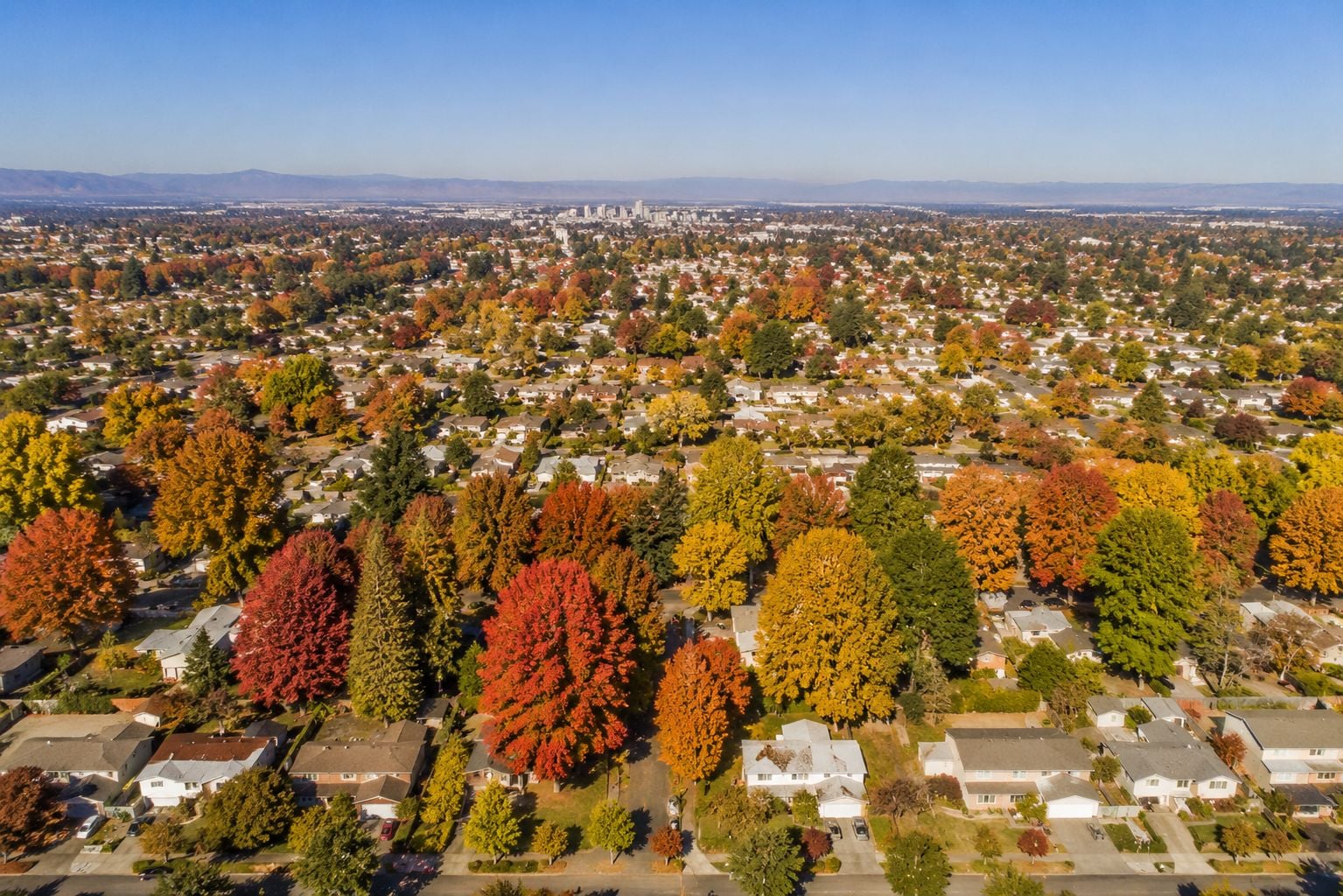
McMinnville is an incorporated city and the county seat of Yamhill County, Oregon, positioned approximately 38 to 43 miles southwest of downtown Portland along US Highway 99W — the historic Pacific Highway that runs from Portland through the northern Willamette Valley wine country communities before reaching McMinnville at the valley's agricultural heart and continuing southwest toward the Oregon Coast via the Highway 18 corridor. The city sits on the south Yamhill River at an elevation that places it on the Willamette Valley's flat agricultural floor between the Chehalem Mountains and the Coast Range foothills — surrounded on multiple sides by the vineyard-covered hillsides, the grass seed and wheat fields, the hop yards and filbert orchards, and the broader agricultural production landscape that makes Yamhill County one of the most productive and most varied agricultural counties in Oregon.
The city's geographic position at the intersection of Highway 99W and Highway 18 — the primary west-to-coast route from the Portland metro through the Willamette Valley to the central Oregon Coast — gives McMinnville both its commercial vitality and its connection to the broader travel culture that the Willamette Valley wine country and the Oregon Coast draw from across the Pacific Northwest and beyond. The Third Street commercial corridor runs through the heart of downtown McMinnville parallel to Highway 99W, and the distinction between the two streets — the highway's commercial strip serving the throughway traffic while Third Street serves the resident community and the destination visitor with genuine downtown commercial character — reflects the specific civic investment that McMinnville has made in its own center over the decades of wine country recognition that have raised the city's national profile.
McMinnville is served by the McMinnville School District — a mid-to-larger independent Oregon school district serving the McMinnville community with a K-12 program that reflects the investment a genuine Yamhill County city of McMinnville's scale and income level makes in its educational institutions. The district has the programmatic breadth, the extracurricular depth, and the academic infrastructure that a growing Oregon wine country city of approximately 35,000 residents produces when its community takes its educational investment seriously — meaningfully more complete than the small Columbia County and small rural Yamhill County districts covered elsewhere in this library, and serving a community whose agricultural, professional, and university-affiliated population drives consistent district investment and consistent community engagement with the educational quality the district produces. The McMinnville School District is not the Beaverton School District — it does not have the scale, the specialized programming depth, or the per-pupil resource level that Washington County's most well-funded suburban district delivers. What it is, genuinely, is a district whose quality reflects the community investment of a wine country city that understands education as the infrastructure of its future rather than an obligation to be minimized, and that produces the K-12 outcomes that families who have done their research find adequately compelling alongside the wine country lifestyle quality that organized their residential search in the first place.
Portland International Airport is approximately 40 to 48 miles from McMinnville, typically a 55 to 75 minute drive depending on traffic, time of day, your specific route through the southwestern Portland metro toward PDX, and the Highway 99W corridor's peak-hour congestion dynamics that affect the full Yamhill County commute corridor from Newberg south. The same Highway 99W peak-hour realities addressed in the Newberg and Dundee guides apply to McMinnville with the additional acknowledgment that McMinnville's greater distance from the metro adds measurably to the absolute commute time at both ends of the range. Outside of peak hours the drive runs cleanly and scenically through the wine country and the Washington County agricultural corridor — during peak morning and evening commute windows the Tigard commercial strip's Highway 99W congestion adds meaningful time to the Portland-bound direction in ways that buyers who drive the route at the times they would actually use it understand specifically rather than estimating from off-peak navigation approximations. McMinnville also benefits from the McMinnville Municipal Airport — a general aviation airport within the city that provides the aviation access addressed elsewhere in the Columbia County guides, with the additional significance that McMinnville's airport is a larger and more capable general aviation facility that supports more types of aircraft operations and a broader aviation community than the Scappoose Industrial Airpark, serving the Yamhill County wine country's broader pilot and aviation community as a regional general aviation resource.
What Your Money Gets You: Homes at Every Price Point
McMinnville's housing market reflects the city's character as the wine country's largest and most commercially complete community — a wider variety of residential inventory across more development eras and more property types than any other Yamhill County community covered in this content library, from the established older residential stock in the city's historic neighborhoods adjacent to the Linfield University campus and the Third Street corridor to the newer planned residential developments in the city's expanding western and southern growth areas to the occasional vineyard-adjacent and acreage property at the city's rural edges where the Yamhill County agricultural landscape begins. The market has benefited from both the sustained wine country desirability premium that the Willamette Valley's international recognition generates and the practical residential demand of a genuine Yamhill County county seat city whose population has grown consistently as the wine country has developed from a regional specialty to a global destination — producing a housing market with more depth, more variety, and more pricing stratification than Dundee and Newberg's smaller and more specialized residential landscapes independently provide.
Here is a realistic look at what different price points deliver in this market:
$350,000 – $460,000 Entry-level McMinnville delivers the city's established residential stock across several older development eras — the 1950s through 1990s single-family construction that defines the city's historic residential neighborhoods, in the 1,100 to 1,700 square foot range, two to three bedrooms, one to two baths, and the residential configurations that a mid-sized Oregon city's organic growth produced across those decades without the production builder uniformity that the city's newer planned residential additions have since introduced. The historic neighborhoods adjacent to Linfield University's campus and the Third Street corridor carry the particular architectural variety and neighborhood maturity that older Oregon city residential fabric consistently delivers — tree-lined streets, front porch culture, the walkable proximity to downtown that older residential neighborhoods provide when they were built before the automobile reorganized the spatial relationship between housing and commerce. Lots at this price point are consistently more generous than comparable pricing produces in Washington County's established suburban markets, and the Third Street walkability for properties in the city's historic core is a practical daily quality-of-life asset that comparable pricing in the broader Oregon metro market rarely delivers with the same cultural depth. Condition at this range is the honest variable — some homes have been maintained thoughtfully by long-term McMinnville community members whose relationship with the property reflects genuine stewardship. Others carry the deferred work that extended ownership without active maintenance produces on older residential stock. The value is genuine: Yamhill County wine country address, McMinnville School District, Third Street walkability for appropriately positioned properties, and the beginning of the full wine country city lifestyle access that McMinnville's position as Yamhill County's commercial and cultural center makes available — at a price that the Oregon metro's closer-in markets stopped producing for comparable community quality years before the wine country's national recognition made the comparison worth running honestly.
$460,000 – $595,000 This is the most active and most varied price band in the McMinnville market — the range where the city's full residential value proposition becomes most clearly legible and where buyers who have run the full Yamhill County and southwestern Oregon metro comparison honestly tend to arrive with conviction. Homes in this range encompass the best of the older established residential stock in updated or well-maintained form alongside the newer production construction that McMinnville's residential growth over the last decade has brought to the city's expanding residential additions. Three to four bedrooms, two to two and a half baths, kitchens that reflect either genuine renovation investment in older stock or builder-standard finishes in newer construction that have held up with normal maintenance, and yards that take advantage of McMinnville's lot culture while reflecting the variety that a mid-sized Oregon city's residential geography produces across its multiple development eras. For historic neighborhood properties near Linfield University and Third Street at the upper end of this range, the walkable proximity to the city's nationally recognized culinary destination corridor adds a daily lifestyle quality that no comparable price point in the broader Portland metro produces alongside a wine country address and a genuine downtown commercial district. For move-up buyers, families prioritizing the McMinnville School District and the full wine country city lifestyle package, and relocators from higher-cost markets who want the most commercially complete and most culturally rich wine country city life available within a southwestern Oregon metro driving radius — this range delivers the clearest and most complete version of what McMinnville offers.
$595,000 – $775,000 Homes at this level represent McMinnville's strongest conventional residential product — fully renovated or newer construction single-family properties in the 2,000 to 2,800 square foot range, on the city's most desirable established and newer residential lots. Four bedrooms, two and a half to three baths, kitchens rebuilt at a level that reflects genuine investment rather than a cosmetic refresh, and outdoor spaces that reflect the Willamette Valley's relationship with outdoor living and with the agricultural landscape that the city's surrounding geography makes immediately visible and immediately accessible. Some properties in this range begin to access the elevated terrain at the city's edges where the Eola-Amity Hills and the McMinnville AVA's hillside terrain rises above the valley floor — lot positions that deliver territorial views across the Yamhill County agricultural landscape toward the Coast Range and the Cascade peaks on clear days that the valley floor's flat residential core does not independently provide.
$775,000 – $1,100,000 At this level, McMinnville's market transitions toward the properties that most directly deliver what Yamhill County's wine country landscape offers beyond the city's conventional residential fabric — the vineyard-adjacent parcels at the city's agricultural edges, the hillside homes on the McMinnville AVA's terrain with territorial view corridors across the Willamette Valley floor, and the custom or extensively renovated properties whose combination of architectural quality and natural setting positions them at the top of the McMinnville wine country residential hierarchy. Homes in this range at their most compelling deliver the specific experience that the McMinnville wine country's most wine country-oriented buyers have been assembling as criteria — elevated residential positions with Yamhill Valley view corridors, proximity to the McMinnville AVA's older vine Pinot Noir and Pinot Blanc producers, and the residential quality that allows a serious engagement with the wine country lifestyle alongside the full municipal infrastructure of Yamhill County's most complete city.
$1,100,000 and above The upper end of McMinnville's residential and adjacent estate market is defined by the most site-specific and most vineyard-integrated properties in the city's extended agricultural orbit — the McMinnville AVA estate parcels with established vineyard plantings, the hillside custom residences with commanding Yamhill Valley views, and the occasional property that combines genuine wine country estate character with the McMinnville city address that provides the county seat's full municipal and commercial infrastructure alongside the estate agricultural lifestyle. These properties attract buyers whose wine country residential criteria extend toward genuine vineyard engagement rather than vineyard proximity — buyers who want both the most complete Oregon wine country city and the most direct Oregon wine country agricultural experience from the same residential address, which McMinnville's combination of county seat infrastructure and immediate McMinnville AVA vineyard territory makes uniquely possible within the Yamhill County residential market.
Median home price in McMinnville: The median sits in the $430,000 to $510,000 range — a figure that positions McMinnville as the most financially accessible wine country county seat city in the Pacific Northwest while delivering the most commercially complete and most culturally rich wine country community experience available in Yamhill County at any residential price point. Against Newberg to the north at a comparable median, McMinnville delivers meaningfully more commercial infrastructure, a more nationally recognized restaurant and culinary culture, a larger and more programmatically complete school district, and the specific cultural assets — the International Pinot Noir Celebration, the Evergreen Aviation and Space Museum, Linfield University's programming — that Yamhill County's largest city produces as genuine community institutions rather than occasional events. Against Dundee's more modest median for its direct vineyard immersion, McMinnville delivers the city infrastructure, the school district quality, and the commercial completeness at a comparable absolute price with the honest trade that the Dundee Hills AVA's direct hillside vineyard adjacency is replaced by the McMinnville AVA's more valley-floor-and-hillside-edge relationship with its surrounding vineyard landscape. For buyers whose primary criterion is wine country city life rather than wine country residential immersion — McMinnville's median price represents the best value in the full Yamhill County wine country residential series.
What About Renting in This Area?
The McMinnville rental market is the most active and most varied in the Yamhill County wine country corridor covered in this content library — a reflection of the city's genuine size, its university-town rental demand from Linfield University, and the broader residential rental population that a 35,000-person Yamhill County county seat city generates and sustains across multiple demographic categories. The inventory mix reflects the community's variety — single-family homes in the established residential neighborhoods, apartment complexes and multi-family developments that reflect the city's growth trajectory, university-adjacent housing that Linfield's student and faculty population drives, and the wine industry professional community's rental demand that the Yamhill County wine country's hospitality and production workforce generates year-round.
Single-family rentals in McMinnville typically run between $1,700 and $2,900 per month depending on size, condition, lot character, neighborhood character, proximity to Third Street and the historic downtown, and the recency of any renovation. A three-bedroom, two-bath home in solid condition with a usable yard rents around $1,700 to $2,300. A larger, updated four-bedroom home with quality finishes and meaningful outdoor space pushes into the $2,300 to $2,900 range. Proximity to Third Street and the historic downtown adds a premium for appropriately positioned properties whose walkable access to the culinary corridor commands a consistent rent premium that reflects the daily lifestyle value of the location rather than any structural advantage of the property itself.
Apartment and smaller unit rentals in McMinnville start around $1,000 to $1,700 for one to two bedroom configurations depending on building age, unit size, proximity to the university and the downtown corridor, and the amenity level of the specific complex. The Linfield University rental demand stabilizes McMinnville's apartment market throughout the academic year and moderates the vacancy fluctuations that communities without a university enrollment baseline consistently experience. For relocators planning to rent before purchasing in McMinnville or the broader Yamhill County wine country corridor, McMinnville's rental market offers the most variety, the most accessibility, and the most practical orientation opportunity of any Yamhill County community in this content library — making it the natural staging community for buyers who want to experience the full Yamhill County wine country lifestyle before committing to the specific community within the corridor that best fits their purchase criteria.
Things to Do In and Around McMinnville
McMinnville's position as Yamhill County's county seat and largest city places residents at the center of one of the Pacific Northwest's most specifically wine country-oriented and most culturally complete small-city recreational and lifestyle landscapes — a setting that combines the agricultural identity of the Willamette Valley's most recognized wine growing region with the cultural programming of a university town, the aviation culture of a general aviation airport with a world-class aircraft collection, and the culinary destination infrastructure of a city whose Third Street has earned genuine national recognition from the food media that covers Pacific Northwest dining as seriously as any American regional culinary tradition deserves.
The International Pinot Noir Celebration — IPNC is McMinnville's signature annual cultural and viticultural event — a three-day wine education and celebration held on the Linfield University campus each summer that draws Pinot Noir producers from Burgundy, Champagne, New Zealand, Australia, Oregon, California, and every other significant Pinot Noir growing region in the world alongside the wine enthusiasts, sommeliers, wine educators, and media who consider it among the most intellectually serious and most specifically wine-focused wine events on the global calendar. For most Portland metro residents, the IPNC is a special occasion requiring accommodation and advance planning. For McMinnville residents, it is the city's own annual festival — the culminating event of the Willamette Valley wine country's cultural calendar, accessible from a residential address without a hotel reservation or a special occasion budget line. The IPNC's presence in McMinnville is not merely an annual event — it is the annual expression of the city's specific position in the global Pinot Noir story, and living in the community that hosts it produces a relationship with the wine country's international recognition that no other Yamhill County residential address provides with the same directness.
Evergreen Aviation and Space Museum is McMinnville's most nationally recognized cultural institution and one of the most extraordinary aviation and space collections accessible in the continental United States — the home of the Howard Hughes Spruce Goose, the largest flying boat ever built, alongside an extraordinary collection of historic military aircraft, space exploration artifacts, and the IMAX theater and water park facilities that have made the museum a major regional destination. For McMinnville residents, the Evergreen Museum is a neighborhood institution rather than a destination trip — the place where out-of-town visitors inevitably end up on their first McMinnville visit and where residents develop their own relationship with the collection across multiple years of casual and occasion-driven visits that the residential proximity enables. The Spruce Goose alone — sitting under the museum's main building in a preservation environment that displays its extraordinary scale without the industrial hangar context most aviation museums require — is worth the visit from anywhere in the Pacific Northwest; from a McMinnville residential address, it is accessible on a Tuesday afternoon without planning.
Third Street Historic Downtown is the commercial and cultural heart of McMinnville's community identity — a pedestrian-friendly historic commercial corridor that has earned genuine national recognition from food media, travel publications, and the culinary tourism infrastructure that the Willamette Valley wine country's reputation has generated. The Third Street corridor functions simultaneously as the community's daily commercial center, its regional culinary destination, and the social fabric infrastructure that a downtown serves when it genuinely works rather than merely occupying the commercial real estate that an earlier era's commerce built. For McMinnville residents in the historic neighborhoods within walking distance of Third Street, the daily relationship with the corridor — the morning coffee, the Tuesday evening dinner, the Saturday farmers market — is one of the specific daily lifestyle assets that the McMinnville residential experience provides and that no other Yamhill County community at any price point replicates with the same commercial depth and the same walkable access.
Linfield University anchors McMinnville's educational and cultural identity in ways that extend well beyond the university's student enrollment — lectures and performances open to the community, athletic events, the university's library and cultural programming, and the particular intellectual and social character that a liberal arts university in a small Oregon wine country city develops when the institution has been genuinely integrated with the community for long enough to be inseparable from it. Linfield's presence contributes to McMinnville's cultural programming quality, its population diversity, and the specific civic energy that a university town produces regardless of how much of the university's enrollment comes from within the surrounding community.
The Yamhill County wine trail from McMinnville extends in multiple directions from the city's position at the valley's agricultural heart — the McMinnville AVA's older vine Pinot Noir and Pinot Blanc producers on the Chehalem Mountain and valley-edge terrain, the Eola-Amity Hills producers to the south and east, the Carlton and Yamhill area producers to the north, and the full northern Willamette Valley wine region's tasting room infrastructure accessible from McMinnville as a regional hub rather than a corridor endpoint. For McMinnville residents, the wine trail is a neighborhood resource rather than a destination — the Saturday afternoon outing that begins five minutes from the residential address and encompasses some of the world's most recognized Pinot Noir terroir without requiring more than the casual decision to spend an afternoon with the wine country rather than in it.
The McMinnville Farmers Market on Third Street is one of the Willamette Valley's most genuinely vibrant and most specifically wine country-rooted farmers market experiences — Yamhill County's extraordinary agricultural production expressed in its most direct and most community-embedded commercial form, with the seasonal produce, the artisan food products, the nursery operations, the wine country's farm-to-table provisions culture, and the community social gathering infrastructure that the best Pacific Northwest farmers markets provide when their community uses them as a genuine weekly institution rather than an occasional leisure activity.
The South Yamhill River runs through McMinnville's civic landscape and provides the riverside park and natural corridor infrastructure that a Willamette Valley river community develops around its waterway — walking paths, fishing access, and the natural riparian character that the South Yamhill River's position within the city's residential and park fabric provides as a daily outdoor resource for the surrounding neighborhoods.
The Chehalem Mountains and the broader Yamhill County wine country terrain accessible from McMinnville's surrounding agricultural landscape provide the outdoor hiking, cycling, and natural exploration infrastructure that the Willamette Valley wine country's hillside topography makes available to residents who engage with the agricultural landscape beyond the tasting room culture — the farm roads through vineyard rows, the hiking trails on the Yamhill County foothills terrain, and the working agricultural landscape's passive recreation potential that the wine country's maintained road network allows.
The Oregon Coast is approximately 45 to 60 minutes west via Highway 18 — the most direct and the most scenically varied Oregon coast approach from any Portland metro-adjacent residential community, placing Tillamook Bay, Pacific City, Lincoln City, and the broader central Oregon coast within day-trip range at drive times that McMinnville residents execute with a casualness that the Pacific Northwest's coast-oriented outdoor culture enables for communities positioned on the coastal highway's eastern approach. From McMinnville, the coast is genuinely closer than it is from most Portland neighborhoods, and that proximity — the ability to reach the Pacific in under an hour via a route that passes through the wine country's agricultural landscape before ascending the Coast Range's forest corridor — is one of the more specifically valuable and least-marketed practical lifestyle assets of the McMinnville residential address.
Cascade Head Scenic Research Area and Three Capes Scenic Loop — accessible via the central Oregon coast approach from McMinnville — provide some of the most dramatic and most ecologically distinctive coastal experiences on the Oregon Coast within a drive that most Portland metro residents would consider a day trip destination and that McMinnville residents access with the casual frequency of a community whose position on Highway 18 makes the coast a natural Tuesday afternoon decision rather than a weekend commitment.
Portland is 50 to 65 minutes northeast via Highway 99W through the Tigard commercial corridor — the full urban infrastructure of a major Pacific Northwest city accessible when the occasion calls for it. The Highway 99W commute's peak-hour characteristics affect McMinnville buyers as fully as Newberg and Dundee buyers, with the additional acknowledgment that McMinnville's greater distance from the metro adds meaningfully to the commute time in the Portland-bound direction during peak windows. Pre-purchase assessment of the route at the specific times a household's professional and family obligations require is the diligence that distinguishes buyers who are satisfied with the McMinnville commute from those who found it more demanding than anticipated.
Salem is approximately 25 to 30 minutes southeast of McMinnville along Highway 99W — the Oregon state capital and a mid-sized city with the full commercial and professional service infrastructure of Oregon's capital city, providing an alternative metro direction for McMinnville residents whose professional, medical, or commercial needs are served as efficiently or more efficiently by Salem's infrastructure than by the longer Portland commute. For buyers whose employment or professional obligations are compatible with a Salem orientation rather than a Portland orientation, McMinnville's position between the two Oregon cities produces a commute flexibility that neither Newberg nor Dundee independently delivers.
Where to Eat
McMinnville's dining scene is the most nationally recognized and the most genuinely accomplished of any Yamhill County wine country community in this content library — a Third Street culinary corridor that has earned consistent national food media attention and that reflects the specific combination of wine country agricultural identity, Linfield University's influence, and the community investment in its own downtown that a genuine Oregon small city makes when it takes its culinary culture as seriously as its viticultural reputation deserves.
Nick's Italian Cafe is the institution that anchors McMinnville's culinary identity in its most durable and most historically specific form — a restaurant operating on Third Street for decades whose commitment to the Italian culinary tradition and the Willamette Valley's wine culture has built the kind of institutional loyalty that only a genuinely excellent restaurant earns through consistent execution over years rather than through a moment of discovery or a media cycle's enthusiasm. Nick's relationship with the Oregon wine country's producers, its wine list, and its kitchen's commitment to the specific culinary tradition it represents make it one of the Pacific Northwest's most genuinely distinctive restaurant institutions — not just one of McMinnville's best restaurants, but one of the Willamette Valley's most culturally significant culinary assets.
Thistle is McMinnville's most celebrated contemporary farm-to-table restaurant and one of the Pacific Northwest's most recognized small-city culinary destinations — a kitchen whose seasonal commitment to the Willamette Valley's agricultural production, whose wine program's engagement with the surrounding Yamhill County producers, and whose consistent execution have earned it the regional and national attention that genuine culinary quality in the right geographic context eventually produces. Thistle's menu reflects the wine country's agricultural calendar with the specificity that only a kitchen physically embedded in the production landscape can sustain, and the restaurant's contribution to McMinnville's national culinary reputation is as significant as any single institution in the city's commercial corridor.
Golden Valley Brewery and Restaurant is McMinnville's most established craft brewery and the Third Street gathering place that has served the community's social dining culture across the spectrum from family dinners to post-tasting industry gatherings to the IPNC weekend's social calendar. The brewery's consistent craft beer program and the restaurant's reliable Pacific Northwest menu have built the institutional loyalty that community-anchoring restaurants earn through years of consistent presence rather than consistent innovation — the kind of place whose value to the community extends beyond the food and into the social infrastructure function that the best brewery restaurants serve in small Oregon cities where the gathering place is as important as what it serves.
La Rambla brings a Spanish and Mediterranean influence to Third Street that has earned a devoted following among McMinnville's resident community and the wine country's hospitality professionals whose palates are calibrated toward the wine country's European culinary traditions. The wine list's engagement with Spanish producers alongside the Oregon wine country's producers reflects a culinary sophistication that Third Street's concentrated dining culture has the critical mass to sustain in a way that smaller Yamhill County communities cannot independently support.
Community Plate is the Third Street breakfast and lunch institution that McMinnville's residential community has built its morning and midday routine around — a gathering place for the community's daily social fabric in the specific way that the best neighborhood breakfast restaurants function when their community uses them as a regular institution rather than an occasional destination. The kitchen's commitment to local ingredients and the dining room's community character reflect the wine country city's relationship with its own agricultural surroundings in the most direct and most daily form available.
The Third Street corridor's broader restaurant ecosystem — including wine bars, cheese shops, artisan bakeries, and the wine country hospitality culture's direct-to-consumer retail infrastructure — provides a dining and food shopping geography that makes Third Street one of the most specifically complete and most genuinely wine country-rooted commercial dining corridors in the Pacific Northwest at any city scale. For McMinnville residents in the walkable historic neighborhoods, the daily relationship with this corridor is the specific lifestyle asset that distinguishes the McMinnville residential experience from every other Yamhill County wine country address and that no comparable price point in the broader Oregon metro market replicates with the same culinary depth.
The McMinnville Farmers Market on Third Street extends the food culture's direct-to-farm dimension — Yamhill County's extraordinary agricultural production expressed through the Saturday market's seasonal produce, artisan provisions, and the direct producer-to-resident relationships that the wine country farming community's engagement with its own urban market produces.
The broader Yamhill County wine country tasting room culture accessible from McMinnville rounds out the food and drink ecosystem with the estate hospitality experiences — the pairing lunches, the harvest season tastings, the cellar visits — that the McMinnville AVA and the surrounding Eola-Amity Hills and Chehalem Mountains producers have built into their hospitality programs for the residential community and the destination visitors who share the wine country's landscape year-round.
Salem's restaurant scene — 25 to 30 minutes southeast — adds an alternative dining direction for McMinnville residents whose culinary orbit extends toward Oregon's capital city, with the growing restaurant culture of a mid-sized Oregon city whose proximity to the Willamette Valley's agricultural production has driven its own farm-to-table culinary investment.
Portland's restaurant landscape — 50 to 65 minutes northeast — provides the full Portland culinary depth for the occasions that genuinely call for the city's scale and variety, accessible when the Third Street corridor and the broader Yamhill County culinary infrastructure do not fill the specific need the occasion produces.
The honest framing: McMinnville is the Yamhill County wine country community where the everyday dining experience is most complete, most specifically Pacific Northwest wine country-rooted, and most accessible without leaving the city's own commercial corridor. The Third Street corridor, the Yamhill County tasting room culture, the farmers market, and the direct-farm provisions infrastructure combine to produce a food and wine daily life that cities ten times McMinnville's size consistently fail to replicate — because the food culture here is organized around what the valley floor produces rather than what a metropolitan restaurant industry curates from a globalized supply chain. For buyers whose residential criteria include genuine culinary quality as a daily rather than occasional experience, McMinnville's Third Street delivers that at a residential address and at a price point that the broader Pacific Northwest market has not yet fully priced into what it charges for the combination.
Who Buys in McMinnville?
After nearly three decades working markets across the Pacific Northwest on both sides of the Columbia River and across the full Oregon metro, rural, coastal, and wine country corridor, the McMinnville buyer is the most varied and the most commercially pragmatic wine country residential profile in this entire content library — a reflection of the fact that McMinnville serves a broader range of buyer criteria than the more specialized Newberg and Dundee markets, and that the combination of wine country address, genuine city infrastructure, nationally recognized culinary culture, and accessible price point attracts a buyer spectrum from entry-level first-time buyers through wine country estate buyers without the narrowing effect that Dundee's direct vineyard immersion or Newberg's university town character produces on their respective buyer pools.
They are full wine country city lifestyle buyers — the households whose residential criteria require not just wine country proximity or wine country immersion but the complete wine country city package: Third Street for daily dining, the IPNC for the annual cultural calendar anchor, the McMinnville School District for the children, the Linfield University programming for the adult cultural life, the Evergreen Museum for the visitors, and the McMinnville AVA's tasting rooms for the weekend afternoon's natural destination. These buyers have looked at Newberg and found it slightly too suburban, looked at Dundee and found it slightly too small, and arrived at McMinnville through a process of identifying which Yamhill County community delivers the most complete version of the wine country city life they specifically want rather than the most immersive or the most Portland-proximate version of it.
They are remote workers and self-employed professionals whose geographic flexibility has freed the residential decision from the Portland metro commute constraint and who have found that McMinnville's combination of Third Street's culinary culture, the IPNC, the Evergreen Museum, the wine country tasting room infrastructure, and the coast's 45-minute accessibility via Highway 18 produces a daily quality of life that the metro's closest-in suburban markets cannot approach at any price point — because the specific combination of cultural institutions, culinary depth, wine country immersion, and Pacific Coast access that McMinnville delivers from a single residential address is genuinely irreplicable rather than merely more affordable.
They are culinary and hospitality industry professionals whose careers are embedded in the Oregon wine country's production, hospitality, and culinary infrastructure — the winemakers, the sommeliers, the chefs, the wine educators, and the hospitality professionals whose professional lives are organized around the Willamette Valley's viticultural and culinary identity and for whom McMinnville's position as the county seat and the wine country's most commercially complete city provides both the professional infrastructure and the community character that the wine industry's professional community requires for a genuinely sustainable residential life alongside a genuinely committed professional practice.
They are buyers from California, the Bay Area, Burgundy, and other globally recognized wine culture markets who arrived at the Oregon wine country with the cultural and financial sophistication to recognize that McMinnville's combination of wine country city character, Third Street culinary infrastructure, IPNC global wine recognition, and residential price point represents a Pacific Northwest wine country community value that comparable wine country county seat cities in Europe and California charge multiples of McMinnville's median to approximate. They are purchasing the Oregon wine country's most complete residential community at the price that the community's discovery level and its southwestern Oregon position currently sustain — and they are doing so with the clear-eyed knowledge that both the price and the community are likely to continue their upward trajectory as the Willamette Valley wine country's international profile continues to expand.
They are families with school-age children who have run the Yamhill County school district comparison honestly — McMinnville versus Newberg, McMinnville versus the smaller rural districts, McMinnville versus the Beaverton and Tigard-Tualatin districts to the north — and concluded that the McMinnville School District's quality, combined with the wine country city's complete lifestyle package and the accessible residential price point, produces a family residential value that the closer-in metro markets with stronger school district reputations cannot match once the commute cost, the residential price premium, and the wine country lifestyle quality differential are honestly factored into the comparison.
They are retirees and near-retirees who have spent careers accumulating the equity and the professional relationships that make the Oregon wine country's most complete residential community the retirement destination their financial planning has been building toward — and who have found that McMinnville's combination of Third Street culinary quality, wine country cultural programming, Linfield University's intellectual life, the coast's accessibility, and the residential price point delivers a retirement quality of life that the Pacific Northwest's more expensive and more recognized retirement communities price beyond the reach of the financially disciplined household that planned carefully rather than spent excessively across a career.
They are, consistently, buyers who describe McMinnville as the most genuinely satisfying residential decision they have made — not because the community lacks limitations or the commute is effortless or the school district is the state's best-funded, but because the specific combination of what McMinnville provides as a daily residential experience exceeds what the price suggested it should by a margin that compounds over years of actually living the wine country city life rather than visiting its most marketed assets on seasonal occasions.
What You Should Know Before You Commit
McMinnville rewards buyers who engage with the Highway 99W commute reality, the Yamhill County agricultural setting's seasonal weather character, and the honest comparison between the community's genuine strengths and the specific lifestyle requirements a household brings to the purchase decision — with the same directness and the same respect for honest information that the Third Street culinary culture applies to what it puts on the plate.
Highway 99W peak-hour commute dynamics are the primary practical limitation of McMinnville's residential setting for any buyer whose professional or family obligations require regular Portland metro presence during peak commute hours. The full consideration addressed in the Newberg and Dundee guides applies to McMinnville with the additional directness that McMinnville's greater distance from the metro produces a commute time at the upper end of this content library's Yamhill County range — a genuinely real 55 to 75 minute commitment at off-peak hours and potentially significantly more during peak windows through the Tigard commercial corridor in the Portland-bound direction. The Salem alternative for professionally and commercially compatible buyers reduces the effective commute burden for a meaningful subset of McMinnville's buyer pool by providing a metro direction that the Highway 99W and Highway 18 corridors serve with comparable time investment at a fraction of Portland's peak-hour congestion risk. Drive both directions, at the times you would actually use them, before the purchase decision rather than after it.
The Willamette Valley floor's fog and overcast pattern is the ambient weather variable that buyers whose primary Yamhill County experience consists of summer and early fall wine country visits occasionally encounter as more persistent and more present than their seasonal sampling suggested. The valley floor's position in the Pacific weather pattern produces winter and spring fog, overcast, and the particular cloud layer that the Willamette Valley's geography traps between the Coast Range and the Cascade foothills during the wet season. The wine country summer and early fall are among the Pacific Northwest's most genuinely beautiful seasonal environments. The November through March period is genuinely Pacific Northwest in the cloud and moisture persistence that the valley floor's geography produces with more consistency and more duration than Portland's rainshadow position independently generates. Buyers who have visited McMinnville primarily during the wine country's hospitality season should spend time in the community during the full annual cycle before making a residential decision based on the summer and fall's extraordinary conditions.
The Highway 18 coast corridor is both an asset and a traffic consideration — the direct west-to-coast route through McMinnville generates the specific tourist and recreational traffic dynamics that a major Oregon coast corridor highway produces on summer and holiday weekends, with the McMinnville commercial corridor's Highway 18 intersection creating congestion during peak coastal departure and return windows that the wine country's residential community navigates as a recurring seasonal feature of life on the primary coast approach route. Understanding how the Highway 18 traffic dynamics affect the specific properties and neighborhood positions being considered rather than evaluating the route abstractly from its off-peak character is basic pre-purchase orientation.
The McMinnville School District's honest comparison against the Beaverton and Tigard-Tualatin districts that buyers researching the southwestern Oregon metro consistently benchmark against should be conducted with the full specificity that school enrollment, graduation rate, AP and IB course availability, extracurricular breadth, and facility quality comparisons produce rather than the general impression that district enrollment size and community income level approximations generate. The McMinnville district is good — genuinely, durably, and with the community investment that reflects Yamhill County's wine country income level and educational values. It is not identically resourced to Washington County's most funded suburban districts. Knowing specifically what the comparison produces across the dimensions that matter most to any given household's educational priorities is the pre-purchase homework that serves family buyers better than either assuming equivalence or assuming inferiority from the enrollment size comparison alone.
Thinking About a Home in McMinnville?
McMinnville inventory moves with the momentum of a genuine Oregon county seat city whose wine country reputation, nationally recognized culinary culture, and accessible price point create a buyer pool that is consistently more active than the community's distance from the Portland metro might initially suggest to buyers new to the Yamhill County residential market. Quality properties in the historic neighborhoods adjacent to Third Street, the vineyard-adjacent and elevated hillside positions that deliver the wine country view corridors, and the newer residential developments that reflect McMinnville's continued growth trajectory all attract organized and motivated buyers rather than sitting for extended market time when they are priced honestly for what they deliver. I know Yamhill County, I know the full Highway 99W wine country corridor from Tigard through Newberg, Dundee, and McMinnville, and I will give you a straight read on what you are looking at — the property, the specific neighborhood position within McMinnville's varied residential geography, the commute at the hours your household would actually experience it, the school district confirmation and honest comparison, and the complete total cost of ownership picture — before you write anything.
See more about McMinnville
Want to learn more about McMinnville neighborhoods and homes?
Homes for sale in McMinnville: https://jamiemeushawrealestate.com/properties/city-McMinnville,%20OR/
Watch more local real estate insights on my YouTube channel:
https://www.youtube.com/@JamieMeushaw
Sign up for my weekly newsletter for real estate tips and market updates:
https://jamiemeushawrealestate.com/newsletter
Check out this article next