


Where Exactly Is Northwest Vancouver?
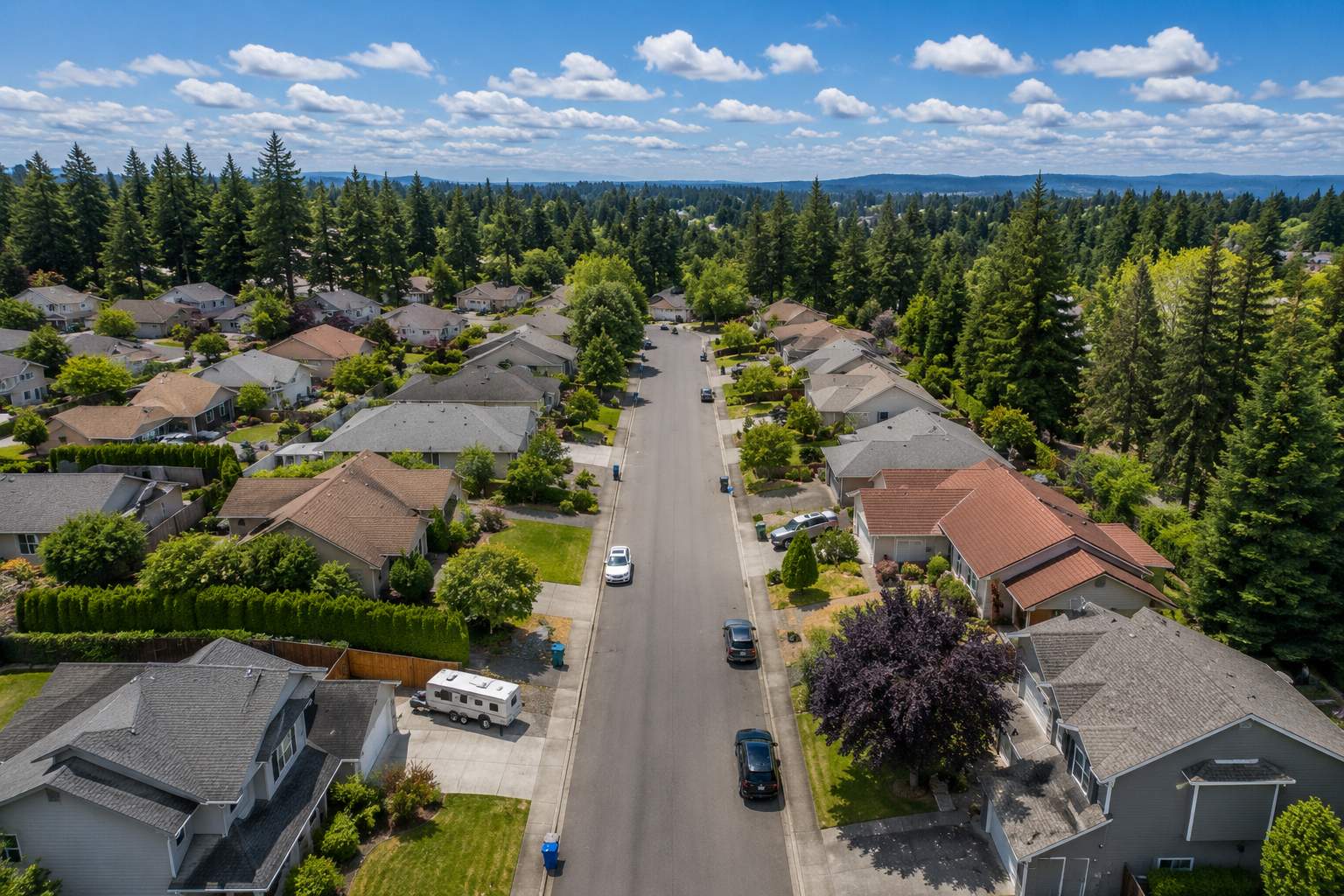
Northwest Vancouver encompasses the residential communities in the northwest quadrant of Vancouver's city limits and the immediately adjacent unincorporated Clark County territory — generally north and northwest of the SR-500 corridor that separates the inner Vancouver residential fabric from the suburban north Clark County expansion, west of the I-5 corridor, and south of the Ridgefield and La Center rural communities that mark the northern edge of the Vancouver metro's meaningful residential gravity. The specific communities within the northwest Vancouver residential corridor include the Felida neighborhood and its surrounding residential development along the Salmon Creek watershed's western approach, the residential communities along NE 78th Street and the SR-503 corridor extending northward toward Battle Ground, the Lakeshore area's residential development around Vancouver Lake's northern approach, and the broader northwest Clark County residential fabric that has developed as Vancouver's residential growth has pushed northward and westward from the city's historic core.
The Felida community — the most recognized and most specifically named residential area within the northwest Vancouver corridor — carries the particular character of an established northwest Clark County residential community that developed along the Salmon Creek watershed before the broader suburban expansion of the north and northwest Vancouver residential market produced the newer planned residential developments that now surround it. Felida's established residential streets, its mature landscape, and the specific community identity that decades of residential investment in the Salmon Creek corridor's northwest geography has produced give the northwest Vancouver residential corridor its most distinctive and most specifically community-invested character within the broader geographic designation's varied residential fabric.
The northwest Vancouver corridor is served by two distinct school districts depending on the specific residential address — the Vancouver School District serving the addresses within the city of Vancouver's incorporated limits and the Evergreen School District serving some of the unincorporated Clark County addresses within the northwest corridor's geographic extent. The Evergreen School District's specific school assignments, academic quality, and the boundary distinctions between the Vancouver and Evergreen districts within the northwest residential corridor are among the most consequential and most specifically researched pre-purchase considerations for family buyers in this area — the two districts serving meaningfully different residential addresses within the same geographic corridor, and the distinction between them affecting both the school assignment and the specific educational quality that the residential address delivers for school-age children. Pre-purchase confirmation of the specific school district and the specific school assignment for any northwest Vancouver address being seriously considered is the single most important educational due diligence step for any family buyer in this corridor.
Portland International Airport is approximately 18 to 26 miles from the northwest Vancouver residential corridor, typically a 25 to 40 minute drive depending on the specific community within the northwest corridor, traffic conditions, time of day, and your specific route south through the Vancouver metro and across the Columbia River toward PDX. The I-5 southbound approach from the northwest Vancouver communities — via the SR-500 connection to I-5 south from the Felida and SR-503 residential communities, or via the direct I-5 approach from the Lakeshore and northwest I-5 adjacent residential communities — provides the most efficient PDX routing from the northwest Vancouver residential corridor. The distance from the northwest corridor to PDX is meaningfully greater than from the inner Vancouver neighborhoods covered in the earlier guides in this content series — reflecting the northwest residential corridor's suburban north-of-SR-500 positioning rather than the inner Vancouver waterfront and mid-century residential positions that produce the most efficient PDX commute times in the Clark County residential landscape. For frequent travelers and households where airport access is a meaningful daily quality-of-life factor, the northwest Vancouver residential corridor's PDX commute is genuinely workable and specifically more efficient than comparable suburban positions in Washington County and the suburban Portland metro's western reaches, but it is honestly further than the inner Vancouver neighborhoods' bridge-adjacent positions and deserves the honest pre-purchase assessment at actual-use times rather than the off-peak navigation approximation.
What Your Money Gets You: Homes at Every Price Point
Northwest Vancouver's housing market reflects the residential corridor's varied development timeline — the established Felida area's older residential fabric alongside the mid-2000s planned residential developments that the suburban north Vancouver expansion produced alongside the most recent production builder additions that continue to deliver new residential inventory into the northwest corridor's expanding growth areas. The result is a residential market with more variety in development era, architectural character, and pricing stratification than any single inner Vancouver neighborhood independently provides — ranging from the established Felida community's homes of multiple eras through the planned subdivision residential character of the northwest corridor's mid-generation development to the current production builder new construction that the northwest growth area continues to produce. That variety creates a market where the buyer's specific criteria — school district, lot size, construction era, proximity to the Salmon Creek natural corridor, and overall residential character — determine which portion of the northwest corridor's inventory most completely satisfies the residential search.
Here is a realistic look at what different price points deliver in this market:
$425,000 – $550,000
Entry-level northwest Vancouver delivers the corridor's established residential stock from the late 1980s through the 2000s in its most original or modestly updated form — primarily three-bedroom, two-bath single-family configurations in the 1,400 to 2,000 square foot range that the northwest Vancouver suburban expansion's first and second residential development waves produced in the planned subdivision format that Clark County's residential growth management framework channeled into the northwest corridor's available buildable land. Lots at this price point reflect the suburban planned development era's residential density rather than the mid-century lot culture that the inner Vancouver neighborhoods deliver — more modest in depth, more uniform in configuration, and more HOA-governed in their maintenance standards than the older residential fabric of the inner neighborhoods, but consistently delivering the school district assignment, the neighborhood infrastructure, and the northwest Clark County residential quality that the planned development era built into its residential communities when the development economics and the community standards of the northwest Vancouver growth corridor produced the quality level that family buyers in this price range specifically sought. Condition at this range reflects the honest variability of late 1980s through 2000s residential stock — some homes maintained by long-term northwest Vancouver families whose investment in the property reflects genuine community permanence, others carrying the deferred work that suburban residential stock in its second or third decade of ownership develops without active maintenance investment. The value is genuine for the buyer whose primary criterion is the most financially accessible northwest Vancouver homeownership with school district access and suburban residential infrastructure at a price that reflects the honest northwest corridor distance from the urban core and the planned subdivision character rather than inflating for the school district and the northwest natural setting.
$550,000 – $720,000
This is the most active and most revealing price band in the northwest Vancouver residential market — the range where the corridor's full residential value proposition becomes most clearly legible and where buyers who have run the suburban Clark County versus comparable suburban Washington County and suburban Portland metro comparison honestly tend to arrive with the most conviction. Homes in this range encompass the best of the northwest corridor's established residential stock in updated or well-maintained form alongside the more recent planned residential developments that the northwest expansion's later waves produced with more generous lot configurations, more contemporary floor plans, and the specific residential quality that the northwest Vancouver growth corridor's stronger school district demand has driven into the better-positioned developments within the corridor. Three to four bedrooms, two to two and a half baths, kitchens that have been addressed with genuine intention in the last decade, and outdoor spaces that reflect the northwest Clark County residential corridor's natural setting relationship — the Salmon Creek watershed's proximity, the mature northwest landscape's established vegetation, and the specific outdoor culture that a northwest Vancouver family residential community develops around the natural infrastructure that the corridor's geographic position makes available. For families whose school district assignment, lot culture, northwest natural setting, and Washington State financial structure combine to produce northwest Vancouver as the honest answer to their residential search — this range delivers the clearest and most complete version of what the corridor offers.
$720,000 – $925,000
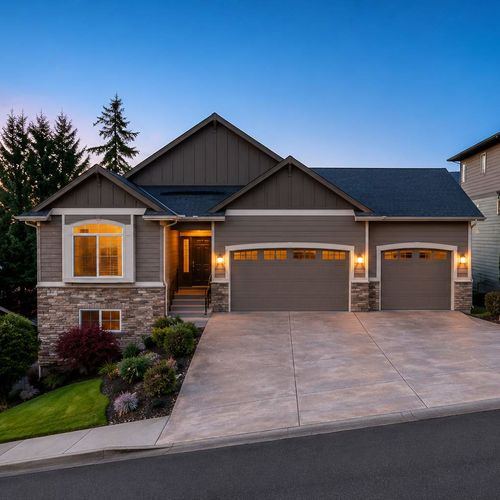
Homes at this level represent the strongest conventional residential product the northwest Vancouver corridor currently offers — fully updated or newer construction single-family properties on the most desirable lots in the corridor's established and newer residential areas, in the 2,400 to 3,400 square foot range. Four bedrooms, two and a half to three baths, kitchens rebuilt at a level that reflects genuine investment in the family residential experience, and outdoor spaces that engage with the northwest Clark County natural setting in ways that the corridor's most advantageously positioned residential lots make specifically available. Some properties in this range access the elevated terrain at the northwest corridor's northern and western edges where the Clark County foothills character produces residential positions with territorial views across the northwest residential landscape toward the Cascade peaks on the eastern horizon and the rural north Clark County countryside extending northward toward the Ridgefield Wildlife Refuge corridor. For buyers whose residential criteria extend to the most complete version of the northwest Vancouver suburban family residential experience — the school district quality, the lot size, the natural setting, the construction quality, and the Washington State financial structure simultaneously present — this range delivers the most specifically compelling residential product the northwest corridor produces.
$925,000 – $1,200,000
At this level, northwest Vancouver delivers its most exceptional conventional residential inventory — the largest, most extensively renovated or most recently constructed single-family properties on the corridor's most desirable sites, where the combination of square footage, lot quality, school district assignment, northwest natural setting, and construction quality converges at the standard that positions them at the top of the suburban northwest Clark County residential hierarchy. Custom or extensively renovated four to five bedroom homes with primary suites of genuine scale, outdoor living spaces that engage with the northwest Clark County natural setting as a primary residential feature rather than a landscaping obligation, and the finish quality that reflects a permanent residential commitment rather than a sale-optimization renovation. Some properties in this range access the most commanding elevated positions in the northwest corridor's topographic variation — sites where the Clark County foothills terrain above the Salmon Creek watershed and the northwest residential expansion creates view corridors that the corridor's flat valley-floor residential development does not independently produce.
$1,200,000 and above
The upper end of the northwest Vancouver residential corridor is defined by the most exceptional and most site-specific properties — custom-built residences on the most naturally distinguished sites within the northwest Clark County landscape, acreage properties at the corridor's rural-residential transition where the Vancouver metro's residential gravity meets the north Clark County agricultural and forested landscape, and the occasional estate-scale property that combines residential quality with meaningful natural land in the specific northwest Clark County geography that the Felida area and the Salmon Creek watershed's rural edges produce. These properties attract buyers whose northwest Clark County residential criteria are specific enough to have found the exact site that satisfies them, and they move to buyers who were already connected and prepared.
Median home price in Northwest Vancouver: The median sits in the $540,000 to $640,000 range — a figure that positions northwest Vancouver as meaningfully more accessible than the recognized premium Clark County communities of Camas and the Camas School District corridor to the southeast while delivering comparable family residential quality, comparable suburban residential infrastructure, and the Washington State no-Oregon-income-tax financial structure at a price that the comparable Washington County and suburban Portland metro residential markets cannot approach for the same school district quality and the same lot size within a comparable Portland commute distance. The median reflects the northwest corridor's suburban planned residential character — more expensive than the working-class mid-century inner Vancouver neighborhoods but more affordable than the recognized Camas premium — and positions the northwest Vancouver family residential buyer at the sweet spot of the Clark County suburban family residential market where school district quality, natural setting, northwest positioning, and Washington State financial structure deliver the most complete family residential value proposition within the Vancouver metro's accessible residential range.
What About Renting in This Area?
The northwest Vancouver rental market reflects the corridor's predominantly owner-occupied suburban family residential character — the school district assignment and the family residential infrastructure that attract owner-occupants with genuine long-term community investment intent produce the ownership tenure and the low rental inventory turnover that family-oriented suburban residential communities consistently generate when the primary demand driver is the school district assignment rather than a transitional lifestyle preference. Rental properties are primarily single-family homes offered by individual landlords, with a smaller inventory of newer apartment complexes that have been developed along the northwest Vancouver commercial corridors as the residential expansion has attracted multi-family development investment.
Single-family home rentals in northwest Vancouver typically run between $2,100 and $3,500 per month depending on the size of the home, the school district assignment, the development era and construction quality, the lot character, and the specific community within the northwest corridor. A three-bedroom, two-bath suburban home in solid condition with a two-car garage and a usable yard in a well-located northwest Vancouver community rents around $2,100 to $2,700. A larger, updated four-bedroom home with quality finishes, meaningful outdoor space, and the school district assignment and community character that the most desirable northwest corridor communities produce pushes into the $2,700 to $3,500 range.
Apartment and townhome rentals in the northwest Vancouver corridor's multi-family inventory start around $1,500 to $2,200 for two to three bedroom configurations depending on the development's age, amenity level, and proximity to the commercial corridors and the school district boundaries that determine the rental property's practical desirability within the northwest corridor's varied geographic extent.
For relocating families whose purchase timeline requires a rental bridge before committing to the specific northwest Vancouver community and the specific school district assignment that best fits their children's educational needs, renting within the northwest Vancouver corridor first — and using the rental tenure to confirm the school assignment, the commute reality, and the specific community character — is the practical staging approach that most northwest Vancouver family buyers who prioritize the school district assignment find more informative and more consequential than any amount of pre-purchase research conducted from a distance.
Things to Do In and Around Northwest Vancouver
Northwest Vancouver's position in the northwest Clark County residential corridor — with the Salmon Creek natural infrastructure threading through the residential landscape, the Ridgefield National Wildlife Refuge accessible to the north, Vancouver Lake's open water to the southwest, and the broader north Clark County rural landscape accessible within a practical drive in multiple directions — places residents within one of the more genuinely outdoor-rich daily life ranges available from any suburban Clark County residential community within a reasonable Portland metro driving distance.
Salmon Creek Regional Park and the Salmon Creek Greenway is northwest Vancouver's most immediately accessible and most specifically valued natural open space infrastructure — the creek-side trail network, the wetland habitat restoration, and the natural corridor that the Salmon Creek watershed threads through the northwest Vancouver residential landscape from its upper tributary reaches in the north Clark County rural countryside through the established northwest residential community's greenway trail system. For northwest Vancouver residents whose daily outdoor practice includes consistent movement through natural creek-side habitat within the residential range rather than requiring a dedicated drive to a distant trailhead, the Salmon Creek trail system's accessibility from the northwest residential community is one of the more specifically valuable practical daily outdoor assets available from a suburban Clark County residential address.
Ridgefield National Wildlife Refuge — approximately 15 to 25 minutes north of the northwest Vancouver residential corridor — is one of the Pacific Northwest's most significant accessible wildlife refuges, providing migratory bird watching of extraordinary quality along the Columbia River's lower corridor, the Carty Unit's trail system through native prairie and wetland habitat, and the specific natural experience of one of the lower Columbia River's most ecologically productive and most regionally recognized wildlife management areas. For northwest Vancouver residents whose outdoor practice includes serious bird watching, wildlife observation, and the particular natural experience of Pacific Northwest wetland and native prairie habitat at a regional refuge quality level, the Ridgefield National Wildlife Refuge's proximity from the northwest residential corridor is one of the most specifically compelling natural assets available within a suburban Clark County residential community's practical daily range.
Vancouver Lake Regional Park — accessible approximately 15 to 20 minutes southwest — provides Clark County's most accessible open-water recreational experience: the Columbia River tributary lake with walking paths, kayaking, paddleboarding, swimming access in season, and the natural open-water recreational infrastructure that the northwest Clark County residential community accesses as a regional outdoor resource. For northwest Vancouver families whose recreational programming includes open-water recreation, Vancouver Lake's southwest approach from the northwest residential corridor makes it a practical rather than exceptional recreational commitment.
Battle Ground Lake State Park — approximately 20 to 30 minutes northeast of the northwest Vancouver corridor — provides the volcanic lake swimming, camping, fishing, and trail hiking infrastructure that this geologically distinctive Clark County state park delivers within the broader north Clark County recreational landscape. The lake's origin as a volcanic crater, its swimming and fishing access, and the campground and trail infrastructure that Washington State Parks has built around the site give northwest Vancouver residents access to one of Clark County's most geologically interesting and most recreationally varied state park experiences within a practical recreational drive.
The Columbia River Gorge — approximately 30 to 40 minutes east via SR-14 or I-205 — provides the world-class outdoor recreation corridor that the northwest Vancouver corridor approaches from the northwest Clark County positioning's specific routing through the Vancouver urban fabric before the I-205 or SR-14 east approach to the Gorge's western entry. The routing from northwest Vancouver to the Gorge's Washington side trail infrastructure — Hamilton Mountain, Cape Horn, and the broader Washington Gorge trail system — is particularly direct via the SR-14 east approach.
The Felida area's residential community character — the established neighborhood streets, the mature landscape, the creek-side residential positions, and the specific community investment culture that the Felida community has developed through decades of genuine residential tenure in the northwest Clark County watershed — provides the human-scale neighborhood character that gives the northwest Vancouver residential corridor its most specifically community-invested and most specifically place-rooted residential identity within the broader suburban expansion's more uniformly planned residential development.
The northwest Vancouver commercial corridors along NE 78th Street and the Hazel Dell and SR-503 commercial infrastructure provide the everyday commercial access — grocery, pharmacy, medical, dental, casual dining, and the everyday retail and service categories — that suburban northwest Clark County residential life depends on for practical daily function without requiring extended drives to the inner Vancouver commercial infrastructure for routine commercial needs. The northwest corridor's commercial development has matured alongside its residential growth to produce a commercial supply that serves the everyday residential community's practical requirements with the accessibility and the variety that a suburban residential community of northwest Vancouver's residential scale generates when its commercial infrastructure has developed in proportion to the residential population it serves.
The north Clark County rural landscape extending northward from the northwest residential corridor toward Ridgefield, La Center, and Woodland provides the rural recreational and agricultural experience — the rural road cycling routes, the farm stand culture, and the specific rural Clark County landscape character — that the northwest corridor's northern residential edge makes accessible within a short drive in ways that the inner Vancouver neighborhoods to the south access only after navigating the full suburban residential and commercial fabric of the north Vancouver corridor.
Lakeshore Golf Course and the residential golf culture associated with the northwest Clark County residential corridor provide the specific recreational and social infrastructure that a suburban northwest Clark County residential community of northwest Vancouver's demographic character generates when the golf course access and the residential community investment in outdoor recreational amenities are both present within the corridor's accessible range.
Portland is accessible via I-5 south from the northwest Vancouver residential corridor in a commute that reflects the northwest position's distance from the Columbia River bridge crossings — the I-5 southbound approach from the northwest corridor's primary residential communities running through the downtown Vancouver interchange before crossing the Columbia River, producing peak-hour commute dynamics that the inner Vancouver neighborhoods' more bridge-adjacent positions avoid. Drive the route at morning peak hours in the southbound direction before the purchase. The assessment that experience produces is the honest foundation of the commute conversation that every northwest Vancouver buyer who maintains any regular Portland employment or cultural commitment deserves to conduct before the purchase rather than after it.
Where to Eat
Northwest Vancouver's dining scene reflects the corridor's suburban family residential character — anchored by the commercial corridor's casual dining variety along NE 78th Street and the Hazel Dell commercial infrastructure, supplemented by the individual restaurant destinations that the northwest Clark County residential community's income level and culinary expectations sustain within the corridor's commercial fabric, and extended by the inner Vancouver independent commercial culture and the downtown Vancouver waterfront dining accessible within a practical drive to the south.
The NE 78th Street and Hazel Dell commercial dining corridor is northwest Vancouver's most immediately accessible dining ecosystem — the suburban commercial dining variety that a major northwest Clark County commercial boulevard's traffic volume and residential density generates and sustains from the family casual dining concepts through the national chain restaurant infrastructure that the suburban northwest corridor's commercial development has concentrated along its primary arterial. The dining variety reflects the suburban family residential character honestly — practical, accessible, and sufficient for the weeknight family rotation without requiring the curated culinary investment that the inner Vancouver independent commercial corridors have developed through deliberate community investment in destination dining culture.
Burgerville and the Northwest Clark County fast-casual and casual dining culture — the Pacific Northwest's most beloved regional quick-service restaurant chain and similar regional concepts that the northwest Vancouver commercial corridor sustains alongside the national chain infrastructure — give the northwest residential community the specific Pacific Northwest food culture character that distinguishes the region's suburban dining landscape from comparable suburban commercial environments in less specifically Pacific Northwest-rooted residential markets.
The Felida and northwest Vancouver independent restaurant culture — the locally owned restaurants embedded within the northwest residential community's commercial nodes and the neighborhood commercial areas that the established Felida community has sustained through years of residential commercial patronage — provides the neighborhood-scale dining character that the planned suburban commercial corridors do not independently generate, serving the northwest residential community's social dining function with the community relationship and the repeat-business loyalty that independent restaurants in established residential communities earn through genuine daily use rather than destination traffic.
The Uptown Village NE Broadway independent restaurant and craft beer corridor — approximately 20 to 25 minutes southeast by car from the northwest residential communities — provides the genuinely independent commercial dining culture that the adjacent inner Vancouver neighborhood has built into one of Clark County's most specifically community-invested commercial dining environments. For northwest Vancouver residents whose dining preferences include the independent restaurant character and the craft beer taproom culture that the NE Broadway corridor delivers, the drive southeast makes the Uptown Village dining experience a practical regular extension of the northwest corridor's own dining range for the occasions that call for the independent commercial culture's specific character.
The downtown Vancouver Main Street and waterfront dining cluster — accessible by a 15 to 25 minute drive southeast depending on the specific northwest Vancouver community — provides the downtown Vancouver independent restaurant ecosystem and the Columbia River waterfront dining culture that the downtown Vancouver guide addressed. The Grant Street Pier restaurant cluster, Beaches Restaurant, and the Main Street corridor's independent restaurant culture give northwest Vancouver residents the downtown waterfront dining character as a practical regular dining destination given the drive's manageable length and the specific Columbia River setting that the downtown Vancouver waterfront's revitalization has produced as the region's most compelling dining backdrop.
Portland's full restaurant landscape — accessible via I-5 south in the commute time that the northwest Vancouver position's I-5 approach produces — provides the complete Portland culinary culture for the occasions that genuinely call for the Pearl District's dining corridor, the James Beard-recognized restaurants, and the comprehensive culinary infrastructure of a nationally recognized food city. The Portland dining run from northwest Vancouver is a manageable evening commitment outside of peak hours and a more carefully timed decision during peak windows — the honest commute assessment that the northwest corridor's I-5 distance from the Columbia River bridge crossings produces for any Portland-directed evening outing.
The honest framing: northwest Vancouver is a residential corridor where the everyday dining experience draws from the NE 78th Street and Hazel Dell commercial infrastructure's suburban family dining variety for the routine weeknight rotation, and where the Uptown Village NE Broadway corridor, the downtown Vancouver waterfront, and Portland's restaurant landscape provide the destination dining character for the occasions that call for more specifically community-invested or more nationally recognized culinary quality. The suburban dining ecosystem is more than adequate for the family whose daily life is organized around the school, the Salmon Creek trail, and the Ridgefield Wildlife Refuge rather than around the curated independent commercial culture that the inner Vancouver neighborhoods deliver as their primary residential marketing proposition.
Who Buys in Northwest Vancouver?
After nearly three decades working the Clark County market, the northwest Vancouver buyer is the most school-district-driven and the most outdoor-family-lifestyle-organized residential profile in the broader Vancouver residential content series — a buyer whose residential criteria are organized around the specific combination of school district quality, natural setting access, suburban lot culture, northwest Clark County positioning, and Washington State no-Oregon-income-tax financial structure that the northwest corridor delivers at price points meaningfully below the recognized premium Clark County communities of Camas and the east Vancouver corporate campus corridor.
They are families for whom the school district assignment is the primary and non-negotiable organizing criterion of the residential search — buyers who have researched the Clark County educational landscape with the thoroughness that a significant residential investment and a child's educational trajectory jointly deserve, confirmed the specific school district serving the specific northwest Vancouver address being considered, and concluded that the northwest corridor's school district quality — whether Vancouver School District or Evergreen School District depending on the specific address — meets their family's educational criteria alongside the outdoor lifestyle and the suburban residential character that organized the geographic search. These buyers have often looked at the Camas School District premium to the southeast and found the Camas price point beyond their budget for comparable residential footprints, and have arrived at northwest Vancouver as the Clark County family residential answer that delivers comparable school district commitment and comparable outdoor lifestyle quality at a price that genuinely reflects the northwest positioning's honest market rather than the Camas premium's recognition-inflated residential pricing.
They are outdoor lifestyle families whose daily recreational practice is organized around the Salmon Creek trail system, the Ridgefield National Wildlife Refuge's bird watching and wildlife observation, Vancouver Lake's open-water recreation, and the broader north Clark County natural landscape's hiking, cycling, and outdoor culture in a way that makes the northwest residential corridor's natural infrastructure the organizing outdoor criterion of their residential search rather than one amenity among several the suburban Clark County market generally provides. For these families, northwest Vancouver's specific combination of Salmon Creek natural corridor accessibility, Ridgefield Wildlife Refuge proximity, and the rural north Clark County landscape's northern approach produces an outdoor residential experience that no other Vancouver metro suburban community replicates from the same proximity to both the school district infrastructure and the urban commercial access that Portland employment and the Washington State financial structure require alongside the outdoor lifestyle.
They are Portland-to-Vancouver relocation buyers who have run the no-Oregon-income-tax calculation with the financial specificity that their Portland employment income deserves and who have found in northwest Vancouver the Clark County residential corridor that delivers the school district quality, the outdoor lifestyle infrastructure, the suburban lot culture, and the Washington State financial advantage that their family's residential criteria require at a price point that reflects genuine northwest suburban Clark County value rather than the inner historic neighborhood premium or the recognized Camas premium. For these buyers, the northwest corridor's I-5 commute to Portland is the honest trade they have made — more driving than the inner Vancouver neighborhoods require, less than the rural north Clark County communities demand — evaluated specifically at the times their household's professional obligations require it rather than estimated from the Saturday afternoon navigation approximation.
They are established Clark County families whose community roots in the northwest residential corridor reflect the generational investment that family-oriented suburban neighborhoods develop when their residents chose the location for the school district and the outdoor lifestyle and have maintained their investment in the community accordingly — the northwest Vancouver school booster organizations, the Salmon Creek trail volunteer community, the neighborhood association culture, and the specific community investment that a family-oriented suburban residential corridor produces when its residents are genuinely invested in the community's schools and its natural infrastructure rather than transitioning through it toward a more premium location.
They are buyers from California, the Bay Area, and comparable high-cost West Coast family markets who have arrived at the Pacific Northwest with the equity and the comparative cost-of-living sophistication to recognize that northwest Vancouver's combination of school district quality, outdoor lifestyle infrastructure, suburban lot culture, and median residential price represents a Pacific Northwest family residential value that the comparable suburban family residential markets in Washington County and the Portland metro's recognized family residential communities price twenty to forty percent above for comparable school district quality and comparable natural setting access. These buyers understand the no-Oregon-income-tax advantage with specific financial clarity, they recognize the outdoor lifestyle's specific northwest Clark County quality from their prior Pacific Northwest recreational experience, and they purchase with the conviction that the northwest corridor's honest price reflects genuine suburban family residential value rather than any meaningful quality differential relative to what comparable suburban family residential addresses charge in the more recognized Pacific Northwest family residential markets.
They are, consistently, buyers who describe northwest Vancouver as delivering more school district quality, more natural outdoor infrastructure, and more suburban family residential completeness than the corridor's modest regional recognition within the Clark County residential hierarchy suggested — and who find the specific experience of living in a northwest Clark County residential community where the Salmon Creek trail is accessible before work and the Ridgefield Wildlife Refuge is accessible on a Sunday afternoon one of the more specifically satisfying and specifically Pacific Northwest-complete aspects of the northwest Vancouver family residential choice.
What You Should Know Before You Commit
Northwest Vancouver rewards buyers who engage with the school district boundary's specific pre-purchase confirmation, the I-5 commute's honest peak-hour assessment, the planned subdivision's HOA character and its specific implications for the residential lifestyle, and the northwest residential corridor's geographic extent and its variation in character across the communities within it — with the same direct honesty that a family residential community organized around school district quality and outdoor lifestyle access applies to its own honest assessment of what the northwest residential experience actually delivers for the families who choose it.
School district boundary confirmation is the single most consequential pre-purchase due diligence step for any northwest Vancouver family buyer — and it deserves explicit pre-purchase research rather than assumption from the neighborhood's general reputation or the listing agent's characterization. The boundary between the Vancouver School District and the Evergreen School District runs through the northwest residential corridor in ways that produce meaningfully different school assignments for addresses that are geographically close to each other but on opposite sides of the district boundary. Confirming the specific school district and the specific school assignment for the specific address being seriously considered — not the neighborhood's general district association but the verified district assignment for the specific property — is the pre-purchase step that distinguishes buyers who understood what they were purchasing from those who assumed from the neighborhood's general reputation and discovered the specific assignment after the purchase.
The I-5 peak-hour commute from northwest Vancouver to the Portland metro is the primary practical variable for any buyer whose professional or family life includes regular Portland presence during peak commute hours. The I-5 corridor between the northwest Vancouver residential communities and the Columbia River bridge crossings concentrates the full volume of the north Clark County residential base's Portland employment commute through the downtown Vancouver interchange before delivering it to the I-5 bridge's southbound crossing — producing peak-hour commute dynamics that the northwest corridor's distance from the bridge and its position in the I-5 traffic stream's most concentrated section consistently generates during morning and evening peak windows. The Salmon Creek and Hazel Dell communities' I-5 on-ramp positions vary in their peak-hour exposure — with some northwest corridor addresses accessing the I-5 southbound south of the most congested interchange sections and others navigating the full downtown Vancouver I-5 interchange congestion before reaching the bridge approach. Drive the specific route from the specific northwest Vancouver address to your specific Portland employment destination at the specific times you would use it on a typical workday before the purchase. That experience is the honest commute assessment that no navigation app average or real estate description adequately replaces.
The planned subdivision character that defines much of the northwest Vancouver residential corridor's development produces the specific residential lifestyle implications that HOA-governed suburban residential development consistently generates — covenants governing exterior appearance and maintenance standards, shared facility costs that the monthly or annual HOA assessment reflects, and the particular community character that a planned residential development's governance produces in contrast to the mid-century residential fabric's less formally governed neighborhood culture. Understanding the specific HOA structure, the monthly assessment amount and what it covers, and the governance history of any northwest Vancouver planned residential community being seriously considered is essential pre-purchase due diligence rather than a post-closing orientation.
The northwest residential corridor's geographic variation across its extent — from the established Felida community's older residential fabric through the newer planned residential developments along the SR-503 and NE 78th Street corridors to the most recent production builder additions at the northwest expansion's active growth edges — produces meaningfully different daily residential experiences in terms of neighborhood maturity, commercial proximity, school access, and the specific community character that each development era and each geographic position within the northwest corridor produces. Understanding which specific community within the northwest Vancouver corridor any given property represents — and whether that community's specific character, school assignment, commercial proximity, and natural setting relationship aligns with the residential criteria that organized the search — is the geographic specificity that serves northwest Vancouver buyers better than the general corridor reputation.
Thinking About a Home in Northwest Vancouver?
Northwest Vancouver inventory at the quality end — the most thoughtfully maintained or most recently renovated homes on the established Felida community's most mature residential streets, the best-positioned planned residential development properties in the northwest corridor's most desirable school district-adjacent communities, and the newer construction in the northwest expansion's most carefully developed growth areas — moves with the momentum that school district quality, Salmon Creek and Ridgefield outdoor access, suburban lot culture, and Washington State financial advantage create in a buyer pool of organized and research-prepared family buyers who engage with quality inventory decisively when it appears at an honest price. I have been working the Clark County northwest residential market for close to three decades — I know the school district boundaries, I know the Salmon Creek trail system's specific northwest corridor access points, I know the planned subdivision communities' HOA structures and their specific implications for the residential experience, and I know the I-5 commute's honest peak-hour character from the specific northwest communities' on-ramp positions — and I will give you a straight read on what you are looking at before you write anything.
See more about NW Vancouver
Want to learn more about the NW Vancouver neighborhood and homes?
Homes for sale in NW Vancouver: https://jamiemeushawrealestate.com/properties/?box=-122.70015839942903%2C45.66074678240656%2C-122.67786996469677%2C45.67385631678755
Watch more local real estate insights on my YouTube channel:
https://www.youtube.com/@JamieMeushaw
Sign up for my weekly newsletter for real estate tips and market updates:
https://jamiemeushawrealestate.com/newsletter
Check out this article next