


Where Exactly Is Sheridan?
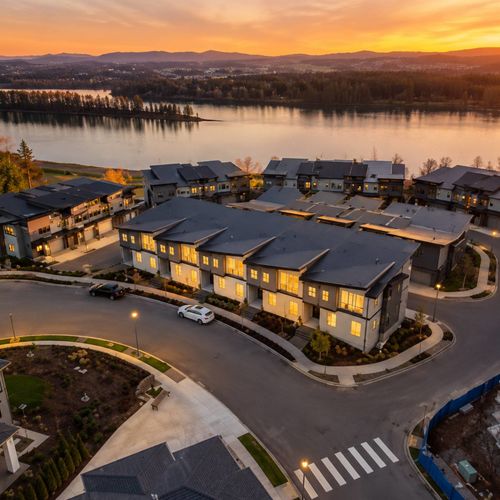
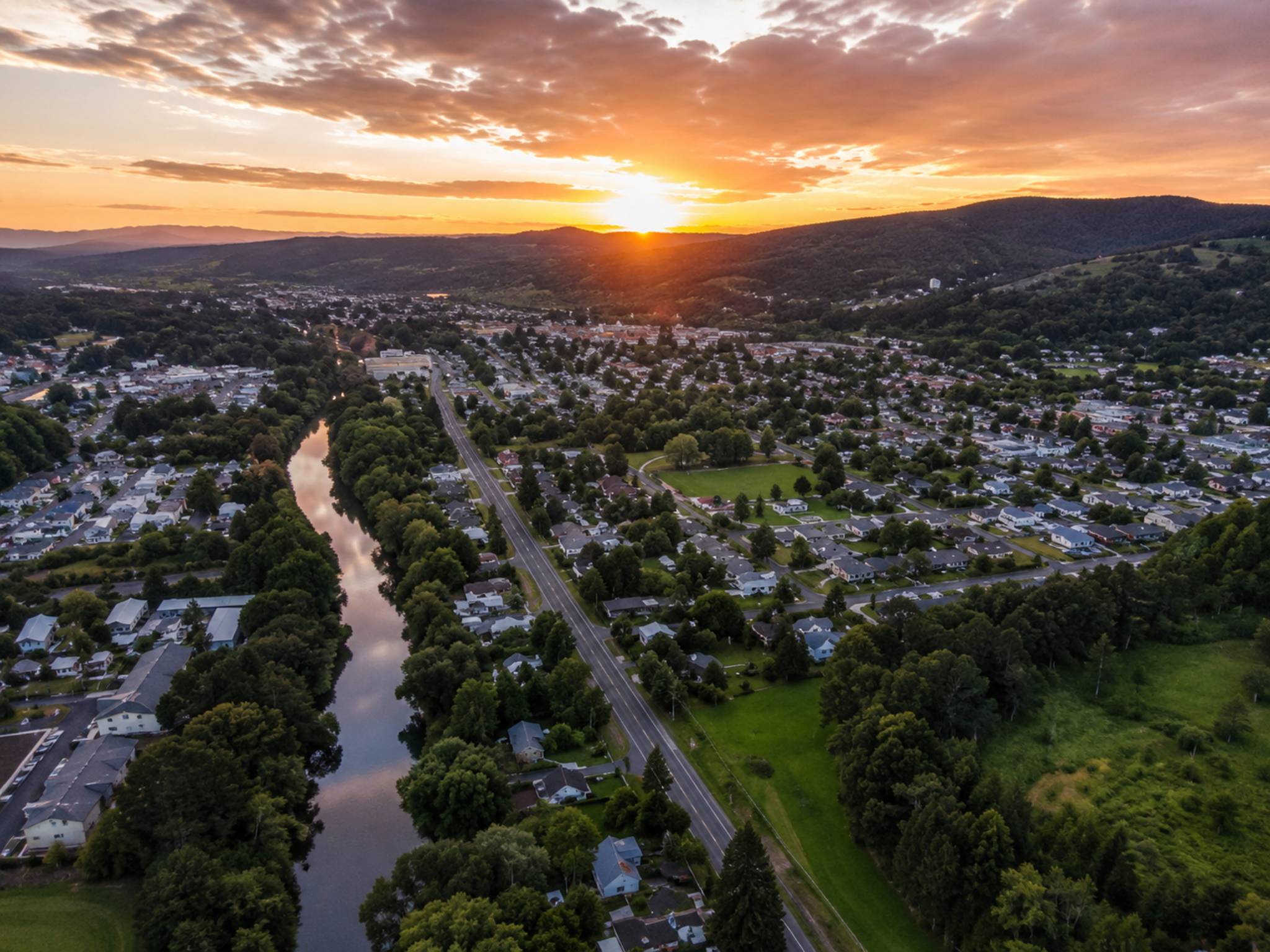
Sheridan is an incorporated city in Yamhill County, Oregon, positioned approximately 48 to 54 miles southwest of downtown Portland along Highway 18 in the western Yamhill County foothills corridor. The city sits on the South Yamhill River where it begins its descent from the Coast Range's eastern foothills into the Willamette Valley floor, surrounded by the working agricultural landscape of western Yamhill County — grass seed operations, Christmas tree farms, timber land, small farms, and the foothills terrain that defines the transition zone between the valley's flat agricultural plain and the Coast Range's forested mountain landscape rising to the west. The Willamette Valley wine country is accessible to the east and northeast — the Eola-Amity Hills' vineyard terrain beginning its rise within the corridor connecting Sheridan to Dayton and McMinnville, and the broader Yamhill County wine country's cultural and culinary infrastructure accessible within a thirty to forty-five minute drive in the northeast direction.
Sheridan's geographic position in the western foothills corridor gives it a specific and genuinely distinct character from the valley-floor wine country communities to the east — the South Yamhill River's presence threading through the community, the Coast Range's forested ridgelines rising visibly to the west, and the working agricultural and timber landscape surrounding the city creating a community identity that is shaped more by the foothills' working land character than by the wine country's destination culture. That distinction is the honest and essential context for any buyer evaluating Sheridan alongside the Yamhill County wine country communities addressed in the preceding guides — Sheridan belongs to the same county, shares proximity to the same wine country landscape, and benefits from the same Coast Range coastal access, but its daily community character reflects the working foothills agricultural identity rather than the wine country's hospitality and culinary destination culture.
The city is also home to the Federal Correctional Institution Sheridan — a medium and minimum security federal prison facility that is the city's largest employer and a significant part of the local economic and community landscape. This is relevant context for any buyer researching Sheridan specifically, because the FCI's presence shapes the local employment base, contributes to the community's working-class economic character, and is part of the honest landscape of what makes Sheridan what it is. It is not a disqualifying factor — many small Oregon cities have correctional facilities as significant employers — but it is an aspect of the community's identity worth understanding before rather than after the purchase decision.
Sheridan is served by the Sheridan School District — a small independent Oregon school district serving the Sheridan community with a K-12 program that reflects the working-class agricultural character of the western Yamhill County community it serves. The district is small, community-centered, and embedded in the specific character of a working foothills Oregon city in ways that produce the teacher-student relationship quality and the community-integrated school culture that small Oregon school districts consistently develop. It is not the McMinnville School District or the Newberg School District in terms of programmatic breadth, resource level, or the specialized curriculum depth that larger Yamhill County districts deliver — and buyers for whom those specific features are meaningful criteria should engage with that comparison directly and honestly before the community's compelling price point overrides the school district evaluation in the purchase decision.
Portland International Airport is approximately 50 to 60 miles from Sheridan, typically a 65 to 85 minute drive depending on traffic, time of day, and your specific route through the southwestern Portland metro toward PDX. The most practical driving paths run northeast on Highway 18 through McMinnville, connecting to Highway 99W through Newberg and Tigard and into the Portland metro corridor toward the airport. The Highway 99W peak-hour congestion dynamics addressed throughout the Yamhill County content series apply to Sheridan with the full force of its greater distance from the metro — Sheridan is the furthest from PDX of any Yamhill County community in this content library, and buyers whose professional life requires regular Portland metro presence should assess that commute with complete honesty at the specific times their household would use it rather than at the off-peak windows that make the distance feel more manageable than it is at seven-thirty on a Tuesday morning. Salem is approximately 30 to 35 minutes east and southeast via Highway 22 — a practical alternative metro direction for buyers whose professional, medical, or commercial obligations align with Oregon's capital city, providing the Salem commercial and professional service infrastructure at a drive time that makes it a genuinely competitive alternative for a meaningful subset of Sheridan's buyer pool.
What Your Money Gets You: Homes at Every Price Point
Sheridan's housing market reflects the community's working small-city character with the directness that western Yamhill County's foothills agricultural community produces in its residential inventory — older established residential stock across multiple development eras in the city's core neighborhoods, mid-century and later construction in the surrounding residential fabric, and the modest newer residential development that a small Oregon foothills city at Sheridan's distance from the metro generates through the gradual growth that affordable land costs and working-family demand produce rather than the wine country premium and remote worker discovery that has driven growth in the more recognized Yamhill County communities to the east. The housing stock is honest, the condition varies with the reality of older residential stock in a working-class community, and the value is genuine for the buyer whose criteria are organized around what Sheridan actually delivers rather than what its Yamhill County address might suggest to buyers projecting the wine country premium onto a community that predates the wine country's discovery and has not reorganized its identity around it.
Here is a realistic look at what different price points deliver in this market:
$230,000 – $320,000 Entry-level Sheridan delivers the community's older residential stock in its most original or modestly updated form — primarily 1940s through 1970s single-family construction in the 900 to 1,400 square foot range, two to three bedrooms, one to two baths, and the residential configurations that western Yamhill County working-family development produced across those eras with the structural honesty and the lot generosity that building for permanence rather than investment return historically provided. Lots at this price point are consistently more generous than anything comparable pricing produces anywhere in Washington County, Clackamas County, or Portland city residential markets — deeper, more usable, and in some cases large enough to support the garden operations, outbuildings, and rural lifestyle uses that buyers drawn to the Yamhill County agricultural character find unavailable at this price anywhere within fifty miles of the Portland metro core in any direction. Condition at this range reflects the honest reality of working-community residential stock — some homes have been maintained by long-term Sheridan residents whose relationship with the property reflects genuine stewardship. Others carry the accumulated deferred work that older residential properties develop through extended ownership cycles without active maintenance investment. The value is unambiguous for the buyer whose primary criterion is the most financially accessible Yamhill County homeownership at a price that leaves genuine margin for the rest of life — a price point that the Portland metro and the more recognized Yamhill County communities stopped producing for comparable property sizes many years before the remote work economy made the geographic calculus worth running honestly.
$320,000 – $430,000 This is the most active and most varied price band in the Sheridan market — the range where the community's full residential value proposition becomes most clearly legible and where buyers who have run the western Yamhill County comparison honestly tend to arrive with conviction. Homes in this range tend to be updated or well-maintained single-family properties in the 1,300 to 2,000 square foot range — three to four bedrooms, two baths in most cases, kitchens that have been addressed with genuine intention in the last decade, and yards that take full advantage of Sheridan's lot culture in ways that feel qualitatively different from what comparable money produces in the Portland metro or in the more wine country premium-affected Yamhill County communities to the east. Some homes at the upper end of this range access the elevated terrain at the city's edges where the South Yamhill River valley and the foothills terrain rising to the west create residential positions with territorial views across the Willamette Valley that the valley floor's flat residential core does not independently provide. For move-up buyers, working families whose budget ceiling requires the most affordable Yamhill County homeownership available in an incorporated Oregon city with its own school district and civic infrastructure, remote workers who have specifically identified western Yamhill County's foothills character and Coast Range access as the organizing geographic criteria of their residential search, and relocators from higher-cost markets who want genuine land, genuine community, and genuine affordability at the western edge of Oregon's most recognized wine country region — this range delivers the clearest and most complete version of what Sheridan offers.
$430,000 – $575,000 Homes at this level represent Sheridan's strongest conventional residential product — the most extensively updated or best-positioned properties in the community, where renovation quality, lot character, South Yamhill River proximity or foothills view orientation, and overall livability come together at the standard that positions them at the top of Sheridan's small-city residential hierarchy. Updated three to four bedroom homes with genuine finish quality, meaningful outdoor spaces oriented toward the South Yamhill River corridor or the Coast Range foothills terrain rising above the community, and the specific lot positioning within Sheridan's residential geography that delivers the most direct and most complete version of the western Yamhill County foothills community residential experience. Some properties in this range begin to access the rural residential and larger parcel configurations at the city's edges where the agricultural landscape surrounding Sheridan delivers the land utility — outbuildings, pasture access, established gardens, creek or river proximity — that buyers whose residential criteria include functional rural land alongside livable residential structure specifically seek.
$575,000 and above The upper end of Sheridan's residential market and the immediately surrounding western Yamhill County rural corridor is defined by the acreage properties and rural residential parcels that the foothills landscape produces at the city's agricultural edges — larger lot configurations with established outbuilding infrastructure, properties on the South Yamhill River frontage with direct water access, and the occasional custom home on a significant parcel where the combination of residential quality and rural land utility reflects the specific value that western Yamhill County's less-discovered landscape makes available to buyers whose search criteria extend beyond the city's conventional residential fabric. These properties attract buyers whose agricultural and rural lifestyle criteria are specific enough to make Sheridan's foothills corridor the right answer rather than a compromise between wine country aspiration and rural reality.
Median home price in Sheridan: The median sits in the $300,000 to $370,000 range — making Sheridan the most financially accessible incorporated Yamhill County city in this content library by a meaningful margin and one of the most financially accessible incorporated Oregon cities within any theoretical Portland metro driving distance. The gap between what the Sheridan median delivers in terms of Yamhill County address, South Yamhill River access, Coast Range foothills proximity, and working agricultural community character — alongside McMinnville's nationally recognized culinary culture accessible within thirty-five minutes northeast — and what comparable values cost in the Yamhill County wine country's more recognized communities or in the Portland metro's suburban markets at any accessible price point is the most direct and most specific expression of the Sheridan value proposition. That gap reflects the community's working-class economic character, its FCI employment base, its modest school district scale, and its distance from the metro and from the wine country's most recognized destination culture — all of which are genuine trade-offs rather than market oversights, and all of which represent honest terms that belong in the conversation before the purchase rather than after it.
What About Renting in This Area?
The Sheridan rental market is more active than the small wine country communities to the east — reflecting the working-family and FCI employment-adjacent rental demand that a community of Sheridan's economic character generates alongside its owner-occupied residential population. The inventory mix includes single-family homes offered by individual landlords, older apartment and duplex stock that reflects the community's mid-century development era, and the rental demand that the federal facility's staff population generates as a stable baseline throughout the year.
Single-family rentals in Sheridan typically run between $1,200 and $1,900 per month depending on size, condition, lot character, and the recency of any renovation. A three-bedroom, two-bath home in solid condition with a usable yard rents around $1,200 to $1,600. A larger, updated four-bedroom home with quality finishes and meaningful outdoor space pushes toward $1,600 to $1,900. Smaller apartment and duplex units in the community's older multi-family inventory start around $850 to $1,300 for one to two bedroom configurations — figures that represent the most financially accessible rental entry point in the Yamhill County wine country series and some of the most accessible rental pricing available in any incorporated Oregon city within an hour of the Portland metro.
The working-family rental demand that the FCI employment base generates provides a stable rental occupancy baseline that prevents the seasonal vacancy fluctuations that communities without consistent employment anchors occasionally experience in their rental markets. For relocators planning a rental bridge before purchasing in Sheridan or the broader western Yamhill County corridor, the community's rental inventory offers the most financially accessible orientation opportunity in the Yamhill County series — making it a practical staging community for buyers whose budget requires the lowest sustainable rental cost while they orient to the western Yamhill County purchase market.
Things to Do In and Around Sheridan
Sheridan's position in the South Yamhill River valley at the base of the Coast Range's eastern foothills places residents within a genuinely varied outdoor, natural, and community recreational landscape that the community's modest discovery level consistently underrepresents to buyers researching from a distance — a setting that delivers the Coast Range's outdoor infrastructure, the Yamhill County wine country's tasting room culture within a practical drive northeast, and the South Yamhill River's natural corridor as an immediate residential outdoor resource.
The South Yamhill River runs through and adjacent to Sheridan and provides the daily water access that the community's riverside position makes naturally available — fishing for bass, steelhead, and the native fish species that the South Yamhill watershed supports, walking along the riparian corridor, and the natural riverside character that a Coast Range tributary river provides in the valley's western reaches where the water runs clearer and cooler than in the broader Willamette's main stem. For Sheridan residents whose outdoor practice includes regular river access and the kind of direct water relationship that the Portland metro's residential communities approximate from parks and greenways rather than from the residential street itself, the South Yamhill River is the immediate outdoor infrastructure of daily life.
Yamhill County's western foothills hiking and outdoor recreation corridor — the forest roads, hiking trails, and natural areas accessible via the rural highway corridors west and southwest of Sheridan through the Coast Range foothills terrain — provides dispersed outdoor recreation access for buyers whose outdoor practice requires more than a developed park trail loop can deliver. The western foothills' working timber landscape, the creek drainages threading through the Coast Range's eastern approach, and the hunting and fishing culture that the western Yamhill County rural community has organized around for generations provide a working landscape outdoor experience of genuine substance.
Spirit Mountain Casino and Resort — approximately 10 to 15 minutes west of Sheridan on Highway 22 on the Confederated Tribes of Grand Ronde's reservation — is the most immediately accessible entertainment destination for Sheridan residents, providing the casino's gaming and entertainment programming, a concert venue that draws regional and national acts, and the dining and resort facilities that the Grand Ronde Tribal Nation has built into the Pacific Northwest's most successful tribal gaming and hospitality operation. For Sheridan residents, Spirit Mountain functions as the community's nearest major entertainment venue rather than a destination requiring a drive to the Portland metro — a proximity that reflects Sheridan's geographic position in the western Yamhill County corridor in the way that most entertainment venue access for Oregon small cities reflects the metro rather than the community's own surroundings.
The Grand Ronde Reservation's natural and cultural landscape surrounding Spirit Mountain provides the additional context of the tribal nation's land stewardship, the cultural programming that the Confederated Tribes maintain for the surrounding community, and the natural areas of the Grand Ronde River and the Coast Range foothills terrain that the reservation's western landscape encompasses.
McMinnville is approximately 30 to 35 minutes northeast on Highway 18 — Yamhill County's most commercially complete city and the nationally recognized Third Street culinary corridor that provides Sheridan residents with access to the full wine country city lifestyle infrastructure addressed in the McMinnville guide. Nick's Italian Cafe, Thistle, the Evergreen Aviation Museum, the International Pinot Noir Celebration, the McMinnville Farmers Market, and the full Third Street commercial culture are accessible from Sheridan as regular rather than exceptional commitments at a drive time that most residents describe as practical for the major commercial, cultural, and culinary runs that the community's own footprint does not independently generate.
The Eola-Amity Hills tasting rooms — accessible via the Highway 22 and Highway 221 corridor northeast of Sheridan toward Amity, Dayton, and the Eola-Amity Hills AVA terrain — bring the wine country's most ocean-influenced and most emerging AVA tasting room culture within a twenty-five to thirty-five minute drive of Sheridan's residential streets. The Eola-Amity Hills producers — Bethel Heights, Cristom, Witness Tree, and the broader producer community whose tasting rooms sit on the hillside terrain northeast of Dayton — provide Sheridan residents with wine country tasting room access that reflects the Yamhill County wine country's most distinctively Pacific-influenced viticultural character within a drive that makes the outing practical rather than occasional.
The Oregon Coast is approximately 35 to 45 minutes west of Sheridan via Highway 22 through the Coast Range to Lincoln City — making Sheridan one of the closest Yamhill County communities to the Pacific Ocean in this content library and giving residents a coast access that the more eastern wine country communities cannot replicate at comparable drive times. The Lincoln City approach via the Highway 22 Coast Range corridor is one of the more direct and less trafficked coast approaches from the southwestern Oregon metro area, placing the central Oregon coast's beaches, headlands, and working coastal communities within a drive that most Sheridan residents describe as genuinely casual rather than a planned day trip commitment. For buyers whose residential criteria include the closest possible coast access from a Yamhill County wine country address — Sheridan's western position delivers that criterion more directly than any other community in the Yamhill County series.
Amity — approximately 10 to 15 minutes northeast — is the small Yamhill County community that provides Sheridan's most immediately adjacent service and commercial extension, with the basic commercial infrastructure that a small Oregon agricultural town maintains for the surrounding rural community and the additional wine country character that the Eola-Amity Hills' southern approach through Amity produces. Amity's own wine country connections — the community sits within the Eola-Amity Hills AVA's broader geographic orbit — give the Sheridan-Amity corridor a wine country proximity that the more northern and more recognized communities of the Yamhill County series deliver at closer range but not at Sheridan's price point.
The Willamette Valley wine country broader orbit — the Dundee Hills, the Chehalem Mountains, the McMinnville AVA, and the Carlton area producers — is accessible from Sheridan within a forty-five to sixty minute drive northeast through the wine country corridor, providing the full Yamhill County wine trail's tasting room infrastructure as a day-trip rather than an afternoon resource. For Sheridan residents whose wine country engagement is regular and committed rather than daily and immediate, the accessible drive northeast to the wine country's most recognized destinations is an adequate and practical relationship with the regional wine culture that the community's western position makes available without the daily immersion that Dayton and Dundee's positions within the AVA landscape itself provide.
Salem is approximately 30 to 35 minutes east and southeast via Highway 22 — Oregon's state capital and a mid-sized city with the full commercial, governmental, medical, and professional service infrastructure that a capital city produces. For Sheridan residents whose routine requires metropolitan commercial access, medical infrastructure, or professional services that the community's own footprint and McMinnville's commercial district do not fully satisfy, Salem provides the alternative metro direction that Sheridan's geographic positioning between two Oregon metro directions makes genuinely practical for a meaningful subset of the community's residential population.
Portland is 65 to 85 minutes northeast via Highway 18 and Highway 99W — the full urban experience of a major Pacific Northwest city accessible when the occasion genuinely calls for it. The Highway 99W peak-hour dynamics apply to Sheridan at the full force of the most distant Yamhill County community's commute reality, and the pre-purchase assessment at actual-use times in the Portland-bound direction is the honest diligence that distinguishes buyers who made the Sheridan decision with complete information from those who made it with optimistic approximations.
Where to Eat
Sheridan's dining scene reflects the community's working small-city character with the directness that a western Yamhill County foothills city of its size and economic orientation produces — modest commercial restaurant infrastructure within the city itself, a primary reliance on McMinnville's Third Street corridor and the broader Yamhill County commercial infrastructure for dining variety beyond the immediate community's casual options, and the particular food culture that proximity to the South Yamhill River's fishing, the foothills' hunting culture, the Coast Range's natural food systems, and the Yamhill County agricultural production landscape develops in residents who have built their food relationship around what the surrounding land produces rather than what a commercial restaurant industry curates from a globalized supply chain.
Sheridan's own commercial corridor along Bridge Street and the city's primary commercial streets carries the casual dining options that a working western Yamhill County community's commercial infrastructure maintains — taverns, pizza, casual family dining, and the quick-service options that serve the community's everyday meal rotation without requiring a drive to McMinnville for routine weeknight needs. The specific establishments reflect the working-family community's character honestly rather than the wine country destination programming that the more recognized Yamhill County communities have developed for the tourism and hospitality traffic their discovery has generated.
The Depot Diner and similar Sheridan community dining institutions serve the community's social dining function in the way that small Oregon working-city restaurants earn their following — through consistent presence, familiar execution, and the gathering-place function that a community of Sheridan's scale depends on its restaurants to provide alongside the food itself. These are not restaurants that require an occasion or a reservation — they are the community's own social infrastructure, the Tuesday evening meal and the Saturday morning coffee and the post-game gathering that small-city dining culture organizes around institutions rather than destinations.
Spirit Mountain Casino's dining options — ten to fifteen minutes west — provide Sheridan residents with the broadest and most varied dining variety available within the immediate drive radius, with the casino resort's restaurant and food service infrastructure serving the surrounding community as both an entertainment destination and a practical dining option for occasions that call for more variety than the immediate community delivers.
McMinnville's Third Street corridor — thirty to thirty-five minutes northeast — is the primary culinary destination for Sheridan residents seeking genuine dining quality and variety. Nick's Italian Cafe, Thistle, the Golden Valley Brewery, and the full Third Street culture addressed in the McMinnville guide are accessible from Sheridan as a regular dining outing at a drive time that most residents describe as practical for the occasions that call for genuine culinary quality rather than the weeknight convenience that the community's own options serve. The drive northeast through the Yamhill County agricultural landscape to McMinnville's Third Street is one of the more specifically Pacific Northwest approaches to a nationally recognized culinary destination available from any residential community in the Oregon metro's accessible radius.
The Eola-Amity Hills tasting room hospitality culture — accessible twenty-five to thirty-five minutes northeast through Amity and into the AVA terrain — provides the wine country food pairing experience that Sheridan residents access as a regular rather than exceptional commitment, with the estate hospitality programs of the Eola-Amity Hills producers extending the community's food and wine culture into the wine country's own agricultural hospitality format.
Salem's restaurant scene — thirty to thirty-five minutes east — provides the alternative dining direction for Sheridan residents whose culinary orbit extends toward Oregon's capital city, with the growing restaurant culture that Salem's mid-sized urban character and its Willamette Valley agricultural production access have developed alongside its governmental and professional identity.
The Oregon Coast dining culture — thirty-five to forty-five minutes west — brings the Lincoln City coastal restaurant scene and the working coastal community's seafood culture within practical reach for Sheridan residents who combine Coast Range drives with coastal dining in the casual way that a community this close to the Pacific makes naturally available. The Tillamook Creamery and the broader Tillamook Valley provisions culture — accessible via Highway 22 west and then Highway 6 into Tillamook — extend the coastal food culture further with the direct dairy and artisan food access that Oregon's most recognized coastal agricultural production corridor provides.
Portland's restaurant landscape — sixty-five to eighty-five minutes northeast — provides the full Portland culinary depth for the occasions that specifically call for the city's scale and variety. Accessible when the community's own dining options, McMinnville's Third Street, and the broader Yamhill County and coastal dining culture do not fill the specific need the occasion produces — which, for most Sheridan residents organized around the working foothills community's practical food culture rather than the wine country destination's culinary aspiration, is less frequently than the Portland-centric Oregon residential market's default assumptions might predict.
The honest framing: Sheridan is a community where the food culture is organized around what the working foothills landscape, the South Yamhill River, and the Yamhill County agricultural surroundings produce rather than what a wine country culinary destination's restaurant infrastructure curates. The South Yamhill River's fishing, the hunting culture of the western foothills, the Yamhill County agricultural production's direct-farm access, and the Spirit Mountain casino's dining infrastructure as an immediate entertainment option combine with McMinnville's thirty-five-minute Third Street access to produce a food and drink culture that most Sheridan residents describe as more than adequate for the community they chose — and considerably more specifically rooted in the western Oregon foothills landscape than the wine country destination's more celebrated restaurants reflect from their positions in the valley floor's recognized culinary corridor.
Who Buys in Sheridan?
After nearly three decades working markets across the Pacific Northwest on both sides of the Columbia River and across the full Oregon metro, rural, coastal, and wine country corridor, the Sheridan buyer is the most value-driven and the most practically organized residential profile in the Yamhill County series — a buyer whose residential criteria are anchored in affordability, land access, Coast Range proximity, and working-community authenticity rather than wine country destination culture, nationally recognized culinary infrastructure, or the school district and commercial completeness that the more recognized Yamhill County communities deliver at higher price points.
They are working families and trades professionals whose residential criteria are organized around the most financially accessible Yamhill County homeownership that leaves genuine margin for the working family's budget rather than consuming it entirely in the mortgage. They have looked at the Yamhill County wine country's more recognized communities and found the price premium for the destination culture more than their budget can absorb without sacrificing the financial flexibility that a growing family, a small business, or a household with variable income requires to build the life alongside the mortgage rather than in service of it. Sheridan delivers the Yamhill County address, the generous lots, the agricultural surroundings, and the working community character they actually want at the price that their budget actually supports — and the trade between the wine country destination culture and the working-city affordability is one they have made honestly rather than by default.
They are FCI employees and federal correctional system workers whose employment is anchored in the Sheridan community and whose residential decision reflects the practical combination of short commute and affordable homeownership that working professionals in any specialized employment setting consistently prioritize when the employment anchor and the residential market align more favorably than the broader metro's options allow. These buyers are not romantic about Sheridan's wine country adjacency — they are practical about the combination of employment proximity, lot size, and price point that the community delivers for the specific professional context their careers have created.
They are Coast Range and outdoor-oriented buyers who have specifically identified Sheridan's western Yamhill County position as the geographic criterion that delivers the closest Yamhill County wine country address to the Oregon Coast at the most accessible price point in the series. For buyers whose residential priorities include the most direct Pacific Coast access from a Yamhill County address — the thirty-five to forty-five minute Highway 22 coast run to Lincoln City that no more eastern Yamhill County community replicates at comparable drive times — Sheridan delivers that criterion more specifically and more financially accessibly than any alternative in the county.
They are remote workers whose geographic flexibility has freed the residential decision from the Portland metro commute constraint and who have found that Sheridan's combination of western Yamhill County agricultural character, South Yamhill River access, Coast Range proximity, and median price point produces the rural-adjacent working-community life that their values and their budget jointly prioritize — without the wine country destination premium that the more discovered Yamhill County communities have built into their residential pricing as the wine country's recognition has grown. These buyers have looked at Dayton, McMinnville, and Dundee, appreciated what those communities deliver, and found Sheridan's western position and accessible price point more aligned with the specific combination of rural character and coastal access their residential priorities actually require.
They are buyers from California, the Pacific Northwest, and other markets who have run the Oregon affordability comparison with genuine financial discipline and found that Sheridan's median home price represents the most specific and most financially accessible version of the Yamhill County wine country adjacency that the Oregon residential market currently offers — recognizing that the gap between what Sheridan's median delivers and what the wine country's more recognized communities charge for comparable Yamhill County address quality is the value differential that rewards buyers who follow the honest comparison rather than the marketing narrative.
They are, consistently, buyers who describe Sheridan as delivering more than they expected in the specific areas their criteria were actually organized around — the river, the land, the Coast Range proximity, the community authenticity — and less than they expected in the areas the wine country's broader reputation created anticipation for. The buyers whose residential criteria were honestly organized around Sheridan's genuine strengths rather than the wine country's aspirational culture tend to be satisfied in ways that reflect the alignment between what they chose and why they chose it, rather than the gap between expectation and reality that buyers who projected wine country destination identity onto a working foothills community occasionally discover after closing.
What You Should Know Before You Commit
Sheridan rewards buyers who engage with the community's working-city character, the Highway 18 and Highway 22 commute reality in both the Portland and Salem directions, the Sheridan School District's honest comparison against the larger Yamhill County districts, and the FCI's role in the community's economic and social landscape — with the same honest directness that the community's agricultural and working-family identity applies to its own daily reality rather than the wine country aspiration its Yamhill County address might invite from buyers arriving with the wrong reference point.
The FCI's presence — Federal Correctional Institution Sheridan — is the community's largest employer and a genuine part of Sheridan's economic and social landscape that buyers researching the community deserve to understand before rather than after the purchase decision. The facility's presence shapes the local employment base, contributes to the working-class economic character that defines the community's identity, and is simply part of what Sheridan is in a way that honest buyers and honest real estate professionals acknowledge directly rather than omit from the community description in favor of a more flattering narrative. It is not a disqualifying factor for the buyers who belong in Sheridan — many of whom work there, live comfortably alongside it, or find its presence entirely unremarkable in the daily life of the community it has been part of for decades. It is a factor worth knowing about before the purchase rather than learning about afterward.
The commute reality in both directions — northeast toward Portland via Highway 18 and Highway 99W, and east and southeast toward Salem via Highway 22 — deserves the same pre-purchase assessment at actual-use times that every other community in this content library has addressed. Sheridan's distance from the Portland metro is the greatest in the Yamhill County series, and the Highway 99W peak-hour dynamics that affect every Yamhill County community's Portland commute apply to Sheridan with the full force of its additional southern distance before the 99W corridor's peak-hour compression even begins. The Salem alternative is genuinely shorter and genuinely practical for buyers whose professional orientation is compatible with it — and assessing both directions honestly at actual-use times is the pre-purchase homework that makes the commute conversation useful before the purchase rather than after it.
The Sheridan School District's honest scale relative to the McMinnville and Newberg districts is worth engaging with specifically for any family buyer whose school district quality is a meaningful factor in the purchase decision. The district serves its community well within its scale and its resources — it is genuinely community-centered, genuinely small, and genuinely embedded in the working-family character of western Yamhill County in ways that produce real teacher-student relationship quality and real community investment. It is not identically resourced or identically programmed to the larger Yamhill County districts, and that comparison matters specifically for families whose educational priorities require the programmatic breadth that larger districts provide rather than the community intimacy that small districts produce.
Internet infrastructure in Sheridan carries the rural Oregon variability that communities at this distance from the Portland metro's broadband core consistently produce — specific confirmation for any address through direct provider inquiry rather than general county coverage maps is the remote work-dependent buyer's essential pre-purchase step. Sheridan's connectivity options have developed over the last several years alongside the broader Yamhill County broadband investment, but the specific technologies and providers available at any given residential address vary in ways that general community-level assessments cannot capture.
Thinking About a Home in Sheridan?
Sheridan's inventory is as honest as the community — a market where well-priced properties in genuinely good condition find buyers whose criteria align with what the community actually delivers, rather than sitting for buyers who are projecting a wine country destination identity onto a working-foothills city that has never claimed to be one. I know Yamhill County, I know the full Highway 18 and Highway 22 corridor from Tigard through McMinnville, Dayton, and Sheridan into the Eola-Amity Hills and the Polk County foothills landscape beyond, and I will give you a straight read on what you are looking at — the property, the FCI's community landscape, the school district confirmation and honest comparison, the commute in both directions at the times your household would use it, and the complete total cost of ownership picture — before you write anything.
See more about Sheridan
Want to learn more about Sheridan neighborhoods and homes?
Homes for sale in Sheridan: https://jamiemeushawrealestate.com/properties/city-Sheridan,%20OR/
Watch more local real estate insights on my YouTube channel:
https://www.youtube.com/@JamieMeushaw
Sign up for my weekly newsletter for real estate tips and market updates:
https://jamiemeushawrealestate.com/newsletter
Check out this article next