


Where Exactly Is Lakeshore?
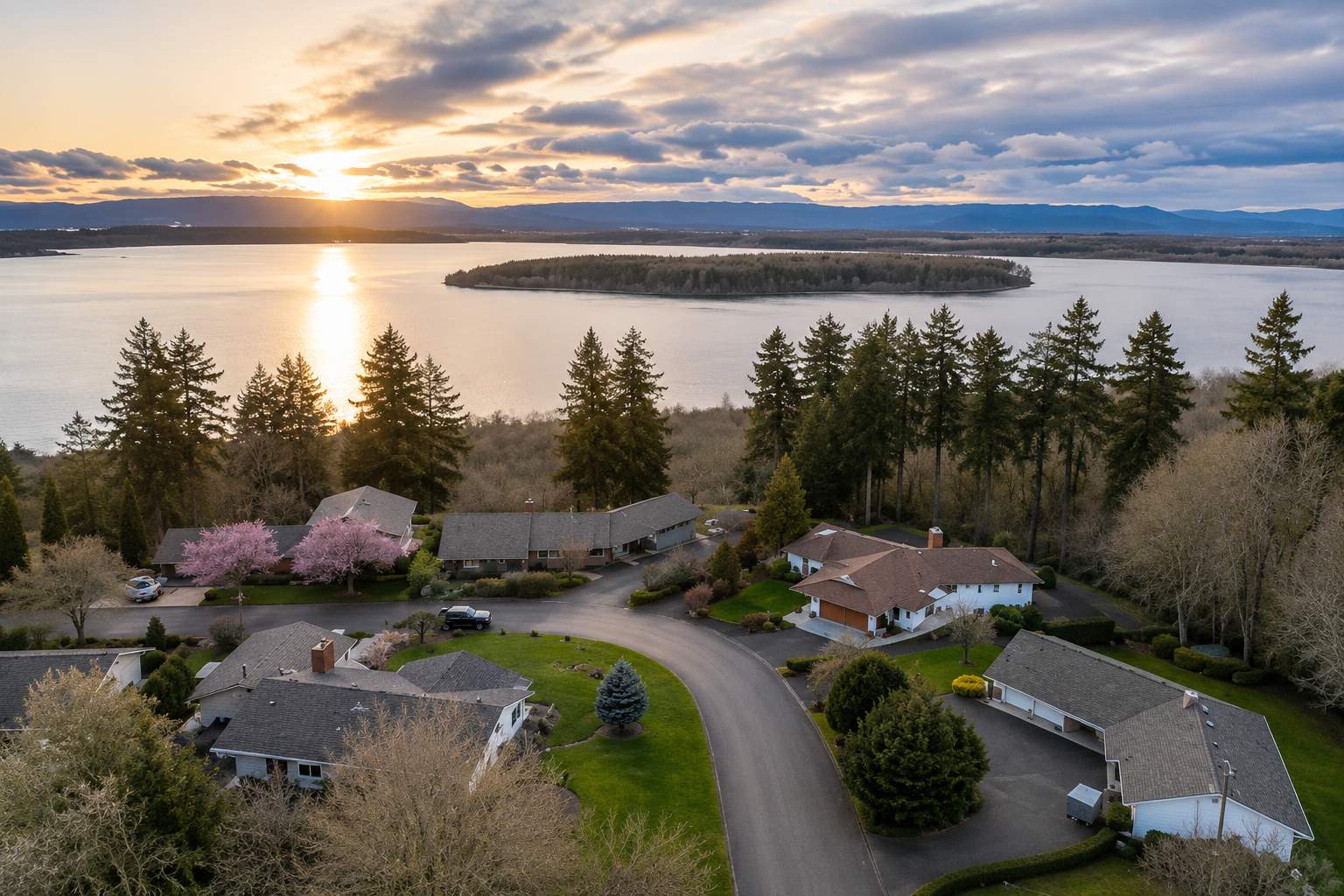
Lakeshore is a residential community positioned along the eastern shores of Vancouver Lake in the northwest Clark County corridor — partly within the city of Vancouver's incorporated limits and partly within the adjacent unincorporated Clark County territory, situated west of the I-5 corridor, north of the Columbia River's northwest bank, east of the Ridgefield and La Center rural communities, and south of the Salmon Creek watershed's northwest approach. The community's defining geographic feature is Vancouver Lake itself — the Columbia River tributary lake that occupies the northwest Clark County lowland between the Columbia River's north bank and the residential and agricultural landscape rising northward toward the Ridgefield corridor.
Vancouver Lake is a substantial Columbia River backwater lake of genuine ecological significance — a shallow, nutrient-rich freshwater lake of approximately 2,400 acres that serves as critical habitat for migratory waterfowl along the Pacific Flyway, supports warmwater fisheries of native and introduced species, provides the open-water recreational infrastructure that the northwest Clark County residential community has organized its outdoor culture around for generations, and sits within the Vancouver Lake Regional Park's public land management framework that preserves the lake's natural character and its public access infrastructure for the surrounding residential community and the broader Clark County recreational population. The lake's size, its ecological productivity, its public recreational access, and its Columbia River tributary connection give Lakeshore's lake-adjacent residential community a freshwater lake lifestyle asset of genuine regional significance — not the small residential pond that developer-planned communities sometimes call a lake for marketing purposes, but an actual Pacific Northwest lake of scale and substance whose recreational and ecological character defines the community that has grown along its eastern shores.
The residential fabric along the lake's eastern shores reflects the development timeline that produced it — a mix of older residential construction from multiple eras that has accumulated along the lakefront and the lake-adjacent residential streets as Clark County residents have sought the lake proximity that Vancouver Lake's northwest positioning and its public access framework have made consistently attractive across multiple generations of residential development. The residential character is more organically varied in development era and architectural style than the planned suburban residential developments of the northwest Vancouver corridor to the east — reflecting the specific and organic way that lake-adjacent residential communities accumulate when the lake is the organizing criterion rather than the developer's residential absorption plan.
Lakeshore is served by the Vancouver School District and the Evergreen School District depending on the specific residential address — the school district boundary's variation across the community's residential geography making specific pre-purchase school district confirmation as consequential for Lakeshore family buyers as for the broader northwest Vancouver corridor addresses addressed in the preceding guide. The specific school district and the specific school assignment for any Lakeshore address being seriously considered deserves explicit pre-purchase confirmation rather than assumption from the community's general geographic positioning within the northwest Clark County residential landscape.
Portland International Airport is approximately 16 to 24 miles from the Lakeshore community, typically a 25 to 38 minute drive depending on the specific address within the community, traffic conditions, and your specific route east and south toward the Columbia River crossings and PDX. The northwest Clark County positioning gives Lakeshore residents access to the I-5 bridge crossing via the Columbia Way and downtown Vancouver approach to the south, or via the more eastern I-205 approach through the northeast Vancouver residential corridor. The lake community's northwest positioning adds meaningful distance from both bridge crossings relative to the inner Vancouver neighborhoods covered in the earlier guides in this content series — a distance that reflects the honest geographic reality of a lake community in the northwest Clark County lowland corridor rather than any meaningful inefficiency in the routing options the position provides. For frequent travelers and households where airport access is a meaningful daily quality-of-life factor, the Lakeshore community's PDX commute is workable and specifically more efficient than comparable suburban lake communities in Washington State's other major metropolitan corridors, but it is honestly further than the inner Vancouver neighborhood positions and deserves the honest pre-purchase assessment at actual-use times rather than the off-peak navigation estimate.
What Your Money Gets You: Homes at Every Price Point
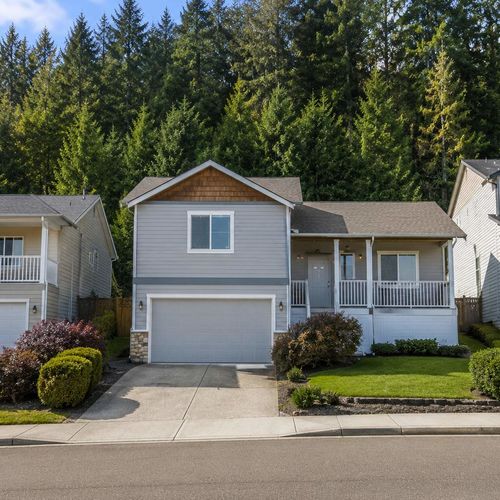
Lakeshore's residential market reflects the community's organic development timeline, its lake-adjacent positioning, and the specific premium that Vancouver Lake proximity commands within the northwest Clark County residential landscape when the lake access is genuine — the difference between a residential address with lake views and a residential address with walking access to the lake's eastern shore producing a consistent price differential that the Lakeshore market's internal geography makes as relevant as the broader market comparison between Lakeshore and comparable Pacific Northwest lake residential communities. The housing stock spans multiple development eras across the lake-adjacent and lake-view residential positions — from the earlier residential construction of the community's original lake-oriented development through the mid-century residential fabric that defines much of the lakeside street pattern to the more recent residential additions that the northwest Clark County growth pressure has introduced into the community's available buildable land.
Here is a realistic look at what different price points deliver in this market:
$375,000 – $500,000
Entry-level Lakeshore delivers the community's older residential stock in its most original or modestly updated form — primarily mid-century and earlier residential construction in the 1,000 to 1,700 square foot range, two to three bedrooms, one to two baths, and the residential configurations that Clark County's northwest lake corridor development produced across the decades when Vancouver Lake's recreational character and northwest positioning first attracted residential development beyond the immediate lakefront positions that the earliest lake community residents established. Lots at this price point in the Lakeshore community vary meaningfully in their lake relationship — some delivering the genuine lake-adjacent or lake-view orientation that the community's most desirable positions provide, others positioned in the residential fabric away from the immediate shoreline where the lake proximity is a community character rather than a direct daily visual or recreational relationship. Understanding the specific lake relationship of any Lakeshore property at this price point — whether the lake is a walking-distance recreational asset or a community identity rather than an immediate daily presence — is as consequential as the property's interior condition in evaluating what the specific Lakeshore address actually delivers relative to the lake lifestyle that organized the search. Condition at this range reflects the honest variability of older residential stock across the multiple eras and multiple ownership histories that the Lakeshore community's organic development has produced. The value is genuine for the buyer whose primary criterion is the most financially accessible northwest Clark County lake community residential address at a price that the Pacific Northwest lake residential markets' recognition level has not yet adjusted to reflect what Vancouver Lake's scale and the northwest positioning together provide.
$500,000 – $650,000
This is the most active and most revealing price band in the Lakeshore residential market — the range where the community's full lake lifestyle residential proposition becomes most clearly legible and where buyers who have run the Pacific Northwest lake residential comparison honestly tend to arrive with the most conviction. Homes in this range tend to be updated or well-maintained residential properties in the 1,500 to 2,200 square foot range with the lake proximity, the lot character, and the overall livability that distinguishes the Lakeshore community's most specifically lake-oriented residential addresses from the broader northwest Clark County suburban residential inventory that lacks the lake's immediate presence. Some homes at the upper end of this range access the lake-adjacent positions that deliver the walking access to Vancouver Lake's eastern shoreline — the ability to reach the lake's recreational infrastructure on foot rather than requiring a drive, and the lake view corridors from elevated lot positions that the Lakeshore community's more advantageously situated residential addresses produce from the eastern lakeshore's gentle terrain variation. For buyers whose primary residential criterion is the lake lifestyle access — the morning walk to the lake's shore, the afternoon kayak launch from the community's accessible recreational infrastructure, and the evening light on the lake's open water as a daily residential visual experience — this range delivers the clearest and most complete version of what the Lakeshore community offers.
$650,000 – $850,000
Homes at this level represent the strongest conventional residential product Lakeshore currently offers — the most thoughtfully renovated or most advantageously positioned residential properties where renovation quality, lake proximity, lot character, and overall livability come together at the standard that positions them at the top of the northwest Clark County lake residential hierarchy. Fully updated two to four bedroom homes with kitchen and bath renovations that reflect genuine investment in livability, outdoor spaces that engage with Vancouver Lake's northwest character as a primary residential feature rather than an incidental lot boundary, and the specific positioning within Lakeshore's residential geography that delivers the most complete combination of lake access, northwest Clark County natural setting, and residential renovation quality. Properties in this range with direct lake view corridors — the elevated lot positions on the eastern lakeshore's residential streets that frame Vancouver Lake's open water from the primary living spaces and the outdoor terraces — command the specific premium within the Lakeshore residential hierarchy that lake view orientation consistently produces in Pacific Northwest lake residential markets when the view is genuine rather than partially obstructed by intervening residential development.
$850,000 – $1,150,000
At this level, Lakeshore delivers its most exceptional conventional residential product — the most directly lake-adjacent or lake-fronting residential properties within the community's residential geography where the lake's immediate presence, the shoreline access, and the residential quality together produce the Pacific Northwest lakefront residential experience that the broader regional lake residential market prices significantly above what Lakeshore's northwest Clark County position currently sustains for equivalent lake proximity and equivalent residential quality. Direct lake access from the residential property — the dock potential, the private shoreline, or the most directly adjacent residential positioning to Vancouver Lake's eastern shore — gives the community's most specifically lake-positioned properties the irreplaceable residential asset that distinguishes genuine Pacific Northwest lakefront living from lake-adjacent residential community living in the way that matters most to the buyer whose primary criterion is the most direct and most immersive freshwater lake residential experience available from a Clark County address. For buyers whose Pacific Northwest lakefront residential criteria have led them to the Vancouver Lake community at the price point that the northwest Clark County market currently sustains for direct lake proximity — this range delivers the most specifically lake-complete version of the Lakeshore residential proposition.
$1,150,000 and above
The upper end of Lakeshore's residential market is defined by the rarest and most specifically lake-positioned properties — the direct Vancouver Lake frontage properties with genuine private water access, dock infrastructure, and the specific daily relationship with the lake's open water that only a lakefront residential address provides at the level that the Pacific Northwest lake residential market's most discerning buyers seek as the organizing criterion of the residential purchase decision. These properties surface infrequently in a community where the genuinely lakefront residential positions are finite and where the long-term ownership tenure that Pacific Northwest lakefront residences consistently produce limits the market's annual supply of the most directly positioned properties. They attract buyers whose Vancouver Lake waterfront criteria are specific enough to recognize the right property without deliberation and move to buyers who were already connected, prepared, and committed.
Median home price in Lakeshore: The median sits in the $480,000 to $580,000 range — a figure that positions Lakeshore as one of the more financially accessible lake community residential addresses in the Pacific Northwest when the scale and the ecological significance of the lake itself is honestly compared against the lake residential communities that comparable medians access elsewhere in Washington State's lake-oriented residential markets. The gap between what the Lakeshore median delivers in terms of Vancouver Lake access, northwest Clark County natural setting, Washington State no-Oregon-income-tax financial structure, and lake community residential character, and what comparable Pacific Northwest lake community residential addresses charge in the recognized Washington State lake residential markets — the Lake Oswego lake community in Oregon, the lake residential communities of the Puget Sound region's western lakefronts, and the Columbia River Gorge's Hood River County lake-adjacent residential markets — is the most direct and most specific expression of the Lakeshore value proposition for the buyer whose residential search is organized around the Pacific Northwest lake lifestyle rather than around the specific lake's regional marketing recognition.
What About Renting in This Area?
The Lakeshore rental market reflects the community's lake-adjacent residential character — more limited than the broader northwest Vancouver suburban rental market to the east, with the lake proximity's desirability and the long-term ownership tenure that genuinely lake-adjacent residential communities produce limiting the rental inventory's availability and turnover. Rental properties are primarily single-family homes offered by individual landlords whose properties tend to fill through community networks and local real estate professional referrals rather than extended public platform exposure.
Single-family home rentals in the Lakeshore community typically run between $1,900 and $3,100 per month depending on the size of the home, the specific lake proximity and view orientation, the condition and recency of any renovation, the lot character, and the specific positioning within the community's residential geography relative to Vancouver Lake's eastern shoreline. A two to three bedroom home in solid condition with a usable yard and meaningful lake community character — either direct lake view or walking distance to the lake's recreational access — rents around $1,900 to $2,500. A larger, more extensively updated property with quality finishes, meaningful outdoor space, and direct lake view orientation or enhanced lake proximity pushes into the $2,500 to $3,100 range. Properties with the most direct lake view corridors or the most immediately lake-adjacent positioning command the upper end of the rental range with the consistency that genuinely scarce and genuinely desirable lake view orientation produces in Pacific Northwest lake residential rental markets regardless of their absolute size.
For relocating buyers whose purchase timeline requires a rental bridge before committing to the specific Lakeshore property that meets their lake proximity and community character criteria, the broader northwest Vancouver rental market to the east provides the expanded rental supply that the Lakeshore community's limited turnover doesn't independently generate — with the proximity to the lake community making the rental bridge a practical orientation period rather than a geographic compromise for buyers whose search is ultimately organized around the Vancouver Lake residential address.
Things to Do In and Around Lakeshore
Lakeshore's position along Vancouver Lake's eastern shores in the northwest Clark County lowland corridor — with the lake's open water immediately accessible, the Vancouver Lake Regional Park's recreational infrastructure surrounding the lake's most developed recreational access points, the Columbia River's northwest bank accessible to the south, and the Ridgefield National Wildlife Refuge's extraordinary wildlife habitat accessible to the north — places residents within one of the more genuinely outdoor-complete daily life landscapes available from any Clark County residential community within a realistic Portland metro driving distance.
Vancouver Lake is the Lakeshore community's entire identity and its most irreplaceable daily lifestyle asset — a Columbia River tributary lake of approximately 2,400 acres whose scale, ecological productivity, and recreational variety give the Lakeshore residential address a freshwater lake lifestyle foundation that the smaller man-made lakes in planned residential developments across the Clark County suburban landscape cannot replicate regardless of their proximity to comparable residential infrastructure. The lake's warmwater fisheries — largemouth bass, crappie, catfish, and the native fish species that the Columbia River tributary system supports — give Lakeshore residents year-round fishing access from the community's lake-adjacent residential positions and the Vancouver Lake Regional Park's public fishing infrastructure. The lake's open-water extent gives kayakers, paddleboarders, and recreational boaters the room that a genuine lake provides rather than the ornamental pond that most planned community water features offer at a fraction of the scale. The migratory waterfowl populations that use Vancouver Lake as a Pacific Flyway stopover — the tundra swans, the numerous duck species, the great blue herons, and the raptor populations that follow the waterfowl concentrations — give Lakeshore residents the wildlife observation quality that the lake's ecological productivity generates as a natural byproduct of genuine wetland and open-water habitat rather than as a designed wildlife viewing experience. And the lake's sunset light — the specific evening sky that a northwest-facing freshwater lake's open water reflects in the Pacific Northwest's long summer evenings and the dramatic Pacific weather systems' cloud formations of the fall and winter months — is the daily residential visual experience that Lakeshore residents describe as the specific irreplaceable quality of the lake address that no amount of suburban park or trail system approximates from a residential position away from the open water.
Vancouver Lake Regional Park provides the public recreational infrastructure that the City of Vancouver and Clark County have built around Vancouver Lake's eastern shore — the boat launch facilities, the swimming area, the walking and cycling paths along the lake's eastern approach, the picnic and open lawn infrastructure, and the community gathering spaces that make Vancouver Lake's recreational access publicly available to the broader Clark County community and to the Lakeshore residential community's residents as a neighborhood park in the most directly accessible sense. For Lakeshore residents whose residential addresses are within walking or cycling distance of the Regional Park's facilities, the park infrastructure functions as the neighborhood recreational center in the specific daily way that proximity to a functioning regional park produces for the residential community immediately surrounding it.
The Columbia River's northwest bank — accessible to the south of the Lakeshore community via the Columbia River waterfront corridor — gives Lakeshore residents the Columbia River's working waterfront character, its salmon and steelhead fisheries access, and the natural riparian corridor of one of North America's great rivers within a practical drive of the lake community's residential addresses. The combination of Vancouver Lake's freshwater lake character immediately adjacent to the residential address and the Columbia River's working waterfront character accessible within a short drive to the south gives Lakeshore residents a dual-water residential experience — two distinct Pacific Northwest water environments within the residential range — that no other Clark County community in this content series delivers from comparable residential proximity to both water systems.
Ridgefield National Wildlife Refuge — approximately 10 to 20 minutes north of the Lakeshore community depending on the specific residential address within the northwest corridor — is one of the Pacific Northwest's most significant accessible migratory bird refuges, providing the migratory waterfowl viewing, the native prairie and wetland habitat walking trail, and the extraordinary wildlife observation quality that the lower Columbia River's most ecologically productive wildlife management area delivers year-round. For Lakeshore residents whose outdoor practice includes serious bird watching and wildlife observation, the Ridgefield Refuge's proximity from the lake community position makes it among the most specifically accessible major Pacific Northwest wildlife refuges available from any Clark County residential address — and the ecological connection between Vancouver Lake's migratory waterfowl populations and the Ridgefield Refuge's managed wetland habitat gives the Lakeshore residential address a wildlife observation geography whose dual-site character produces year-round wildlife viewing quality that single-site access alone cannot replicate.
Frenchman's Bar Regional Park — along the Columbia River's northwest bank west of Vancouver — provides the Columbia River beach access, the river-view walking and cycling trail, the boat launch infrastructure, and the natural riverside open space that the northwest Clark County community accesses from the Columbia River's west bank recreational corridor. For Lakeshore residents whose outdoor recreation extends from Vancouver Lake's freshwater character to the Columbia River's working waterfront, Frenchman's Bar provides the Columbia River beach and water access within the same northwest residential corridor's recreational range.
The Burnt Bridge Creek Trail and the northwest Vancouver trail network — accessible from Lakeshore's eastern residential edges via the connections to the broader northwest Vancouver residential fabric — provide the multi-use trail infrastructure that connects the lake community to the broader Clark County trail network and offering walking, running, and cycling access through the natural open space corridor without requiring a dedicated drive to a distant trailhead.
Battle Ground Lake State Park — approximately 25 to 35 minutes northeast — provides the volcanic lake swimming, fishing, camping, and trail hiking that this geologically distinctive Clark County state park delivers within the broader north Clark County recreational landscape. For Lakeshore residents whose outdoor recreation extends beyond the immediate Vancouver Lake environment into the broader north Clark County natural landscape, Battle Ground Lake's accessibility via the northeast approach adds a second lake environment of distinctly different character — the volcanic crater lake's depth, clarity, and geological drama contrasting with Vancouver Lake's shallow, productive, wildlife-rich Columbia River tributary character.
The Ridgefield and La Center rural landscape to the north and northeast — the rural Clark County agricultural and forested countryside extending from the Lakeshore community's northern residential approach toward the rural Clark County communities addressed earlier in this content series — provides the rural road cycling routes, the farm stand culture, and the specific northwest Clark County rural landscape character that the Lakeshore community's northern positioning makes accessible within a short drive in ways that the inner Vancouver neighborhoods to the south access only after navigating the full suburban residential and commercial fabric of the north Vancouver corridor.
The northwest Vancouver commercial corridors along NE 78th Street and the Hazel Dell commercial infrastructure to the east provide the everyday commercial access — grocery, pharmacy, medical, dental, casual dining, and the everyday retail and service categories — that northwest Clark County residential life depends on for practical daily function without requiring extended drives to the inner Vancouver commercial infrastructure for routine commercial needs. The Lakeshore community's western Clark County positioning relative to these commercial corridors means the everyday commercial run is a short drive east rather than immediately adjacent to the residential address — a practical pattern that most Lakeshore residents describe as developing into an entirely unremarkable routine within the first weeks of residential tenure.
Portland is accessible via I-5 south from the Lakeshore community in a commute that reflects the northwest lake community's distance from the Columbia River bridge crossings — the western positioning adding meaningful distance to the I-5 approach relative to the eastern and central Vancouver neighborhoods whose I-5 access is more directly aligned with the southbound approach to the bridge crossings. Drive the route at morning peak hours before the purchase.
Where to Eat
Lakeshore's dining scene reflects the northwest lake community's residential character — limited commercial restaurant infrastructure within the immediate community's own footprint, a primary reliance on the northwest Vancouver commercial corridors and the inner Vancouver dining culture for the dining variety and the culinary quality that the lake community's modest commercial footprint does not independently generate, and the particular food culture that proximity to Vancouver Lake's recreational fisheries, the Columbia River's working waterfront, and the Ridgefield Wildlife Refuge's natural food system corridor develops in residents who have built their food relationship around the Pacific Northwest's northwest Clark County natural production rather than around a commercial restaurant industry's curated menu.
Vancouver Lake's recreational fishing culture as a food system is the Lakeshore community's most specifically distinctive and most directly lake-connected food experience — the largemouth bass, crappie, catfish, and native species that Vancouver Lake's warmwater fisheries produce as a recreational fishing harvest giving Lakeshore residents a direct-from-lake food system relationship that no inland residential community at comparable price points in the broader Clark County residential landscape provides from the same proximity and the same lake-to-table directness. For Lakeshore residents whose food culture reflects the Pacific Northwest's fishing tradition as a genuine practice rather than a restaurant marketing narrative, the Vancouver Lake fisheries' accessibility from the residential address produces a food system intimacy with the northwest Clark County aquatic landscape that the broader suburban Clark County residential market cannot approximate regardless of its proximity to the Columbia River's recreational fishing infrastructure.
The northwest Vancouver commercial dining corridor along NE 78th Street and the Hazel Dell approach to the east provides the most immediately accessible expanded dining variety for Lakeshore residents whose dining occasions call for more commercial variety than the immediate lake community delivers — the suburban commercial dining range of the northwest Vancouver corridor's primary arterial accessible within a short drive east of the lake community's residential addresses. The specific dining options reflect the suburban northwest Clark County residential community's character honestly — practical, accessible, and sufficient for the everyday weeknight rotation that the lake community's residents supplement with the lake-oriented food culture and the occasional destination dining commitment.
The downtown Vancouver Main Street and waterfront dining cluster — accessible by approximately 20 to 30 minutes drive east and south from the Lakeshore community via the Columbia Way and downtown Vancouver waterfront approach — provides the most significant destination dining extension for Lakeshore residents whose dining occasions call for the culinary quality and the Columbia River setting that the downtown Vancouver waterfront revival has produced. Beaches Restaurant, the Grant Street Pier restaurant cluster, and the Main Street independent restaurant corridor give Lakeshore residents a genuine waterfront dining destination within a drive that most describe as a proper evening outing commitment rather than a casual neighborhood extension — but one that the northwest lake community's residents access with the regularity that a genuinely good destination justifies from any residential address within a practical drive's range.
The Uptown Village NE Broadway independent restaurant and craft beer corridor — approximately 20 to 25 minutes east and south by car from the Lakeshore community — provides the genuinely independent commercial dining culture that the adjacent inner Vancouver neighborhood has built into one of Clark County's most specifically community-invested commercial dining environments. For Lakeshore residents whose dining preferences include the independent restaurant character and the community-invested commercial culture that the NE Broadway corridor delivers on any given evening, the drive east and south makes the Uptown Village dining experience a regular rather than exceptional destination for the occasions that call for the independent commercial culture rather than the suburban dining corridor's more uniformly national chain character.
The Ridgefield and northwest Clark County rural food culture — the farm stands, the direct-to-consumer agricultural production, and the northwest Clark County rural food system's seasonal harvest character accessible to the north of the Lakeshore community via the rural corridor approach through the Ridgefield agricultural landscape — extends the lake community's food culture into the direct-from-farm provisions tradition that the northwest Clark County rural landscape's agricultural production makes available to the Lakeshore community's northern residential approach. For Lakeshore residents whose food culture reflects the Pacific Northwest's direct-farm purchasing tradition alongside the lake community's recreational fishing culture, the northwest corridor's farm stand accessibility provides the most specifically northwest Clark County food system relationship available from any Vancouver metro residential address with this combination of lake proximity and rural agricultural corridor access.
Portland's full restaurant landscape — accessible via I-5 south in the commute time that the northwest lake community's approach to the bridge crossings produces — provides the complete Portland culinary culture for the specific occasions that genuinely call for the Pearl District's dining corridor or the nationally recognized restaurant landscape that the city's full culinary infrastructure delivers. The Portland dining run from the Lakeshore community is a more committed evening outing than from the inner Vancouver neighborhoods — the northwest positioning's I-5 approach adding meaningful time to the bridge crossing commitment — but entirely workable for the specific occasions that justify the drive from a lake community whose own food culture and whose northwest Clark County dining extensions serve the everyday rotation with the natural food system character that the lake and the rural corridor together produce as the Lakeshore community's most specifically distinctive culinary identity.
The honest framing: Lakeshore is a community where the food culture is organized around the lake — the Vancouver Lake fisheries' direct-to-table harvest, the northwest Clark County rural corridor's seasonal farm stand provisions, and the Columbia River's working waterfront food system character that the northwest positioning makes accessible within the residential range together producing a lake community food identity that the suburban dining corridors supplement for the routine weeknight rotation rather than define. Residents who make that transition — from a food culture organized around commercial restaurant variety to one organized around the Pacific Northwest's northwest Clark County natural food production — consistently describe it as one of the more specifically satisfying aspects of the Lakeshore community residential choice.
Who Buys in Lakeshore?
After nearly three decades working the Clark County market, the Lakeshore buyer is the most specifically freshwater lake lifestyle-organized and the most Pacific Northwest water residential culture-committed buyer profile in the entire Vancouver neighborhood content series — a buyer whose residential criteria are organized around Vancouver Lake's immediate daily presence as the defining feature of the residential experience in the specific and irreplaceable way that genuine Pacific Northwest lake residential communities deliver for buyers who have honestly compared what the lake address provides against what any amount of proximity to a park trail, a commercial waterfront esplanade, or a suburban amenity pond produces as an equivalent.
They are Pacific Northwest freshwater lake lifestyle buyers whose residential criterion is the specific and irreplaceable daily quality that living immediately adjacent to a genuine Pacific Northwest lake produces — the morning kayak launch from the community's lake access, the afternoon bass fishing from the shoreline within walking distance of the residential address, the evening light on the lake's open water from the primary living space's view corridor, and the migratory waterfowl's seasonal presence as a wildlife observation culture that the lake's ecological productivity generates naturally rather than as a designed wildlife experience. For these buyers, Vancouver Lake is not a residential amenity — it is the organizing residential criterion that makes the Lakeshore address the specific and honest answer to their residential search rather than one Clark County community among several they are comparing.
They are wildlife observation and birding enthusiasts whose residential criteria include the specific combination of Vancouver Lake's migratory waterfowl habitat and the Ridgefield National Wildlife Refuge's managed wetland and prairie habitat within the same northwest Clark County residential range — the dual-site wildlife observation geography that the Lakeshore community's northwestern positioning produces for residents whose outdoor practice includes serious bird watching and wildlife observation at the quality level that a Pacific Northwest residential address within practical range of both a significant Columbia River tributary lake and a major national wildlife refuge independently provides. For these buyers, the Lakeshore community's position within the northwest Clark County wildlife corridor is the specific geographic criterion that no other Clark County residential community replicates at comparable distance from both the lake and the refuge.
They are recreational water sports families whose daily outdoor identity includes kayaking, paddleboarding, recreational boating, and the open-water recreational culture that a lake of Vancouver Lake's scale produces for the community that lives along its shores — buyers who have been launching from public boat ramps for years and who have concluded that the difference between living near a lake and living in a community where the lake is the immediate residential setting is a daily lifestyle quality distinction worth the deliberate search that finding it in the Clark County market at Lakeshore's price point requires. For these buyers, the morning paddle before work and the evening lap around the lake before dinner are the daily practices that the residential address makes naturally sustainable rather than requiring the car loading, the boat ramp navigation, and the dedicated recreational commitment that accessing comparable open water from the inner Vancouver neighborhoods or the suburban Clark County communities requires regardless of their proximity to the lake's public recreational infrastructure.
They are Portland-to-Vancouver relocation buyers who have run the no-Oregon-income-tax calculation with genuine financial specificity and found in Lakeshore the Clark County residential community that delivers the Pacific Northwest lake lifestyle, the northwest positioning's natural setting quality, and the Washington State financial structure's annual advantage at a price point that the comparable Pacific Northwest lake residential communities in Oregon's Lake Oswego market and Washington's western Puget Sound lake communities price significantly above for the same lake proximity and the same lake community residential character. For these buyers, the Lakeshore community's Vancouver Lake residential address represents the most financially complete version of the Pacific Northwest lake lifestyle available within a theoretical Portland metro driving radius — the combination of lake scale, community character, northwest natural setting, and Washington State financial structure producing a residential value that the honest Pacific Northwest lake residential market comparison consistently finds more compelling than the Lakeshore community's modest regional recognition initially suggests.
They are fishing culture buyers whose relationship with the Pacific Northwest's freshwater fisheries is genuine rather than aspirational — buyers who have been waking before dawn to fish the Columbia River's salmon and steelhead runs, who have spent Saturday mornings on Vancouver Lake's warmwater fisheries from borrowed or rented boats, and who have concluded at some point that the residential address that puts the fishing within walking distance rather than requiring the pre-dawn car-and-trailer commitment is worth the lake community's northwest positioning and the suburban commercial lifestyle's slight removal from the inner Vancouver community's walkable commercial culture. For these buyers, the Lakeshore residential address's lake fishing access is the specific and irreplaceable residential asset that the lake community delivers in the way that no amount of commercial waterfront esplanade development or suburban community pond approximates for the serious Pacific Northwest freshwater angler.
They are, consistently, buyers who describe Lakeshore as delivering more Pacific Northwest lake lifestyle completeness, more wildlife observation quality, and more daily freshwater water residential character than the community's modest recognition within the Clark County residential hierarchy and the broader Pacific Northwest lake residential market's awareness suggested — and who find the specific experience of living in a northwest Clark County community where the lake is the daily residential context rather than the recreational destination one of the more specifically irreplaceable and specifically satisfying aspects of the Lakeshore residential choice.
What You Should Know Before You Commit
Lakeshore rewards buyers who engage with the Vancouver Lake community's honest conditions — the lake's flooding and water level dynamics, the mid-century and varied era residential stock's inspection requirements, the school district boundary's specific pre-purchase confirmation, and the northwest Clark County positioning's honest commute assessment — with the same direct clarity that a lake community organized around genuine Pacific Northwest freshwater water character applies to the seasonal realities, the weather dynamics, and the practical daily life conditions that the lake produces as a residential environment across the full annual cycle.
Vancouver Lake's flooding and seasonal water level dynamics are the most specifically consequential pre-purchase due diligence consideration for any Lakeshore residential property whose elevation and proximity to the lake's eastern shoreline places it within the lake's historical high-water event range. Vancouver Lake is a shallow Columbia River tributary lake whose water level is directly influenced by the Columbia River's seasonal flow dynamics — the spring snowmelt runoff and the winter storm event hydrology producing high-water periods that have historically affected the lowest-elevation residential properties along the lake's eastern shore in ways that the standard Pacific Northwest inland residential property's owner never encounters from an upland residential position. Confirming the specific FEMA flood zone designation of any Lakeshore property being seriously considered, understanding the historical high-water event record for the specific lot position, confirming the insurance implications of the flood zone designation for the specific property, and understanding the financing options and requirements that apply to flood zone residential purchases are essential pre-purchase due diligence steps rather than post-closing discoveries for any Lakeshore property at or near the lake's immediate shoreline elevation.
The varied era residential stock's inspection requirements carry the specific era-appropriate inspection considerations that each development period's residential construction produces — the mid-century residential fabric's knob-and-tube electrical remnants, galvanized plumbing, and Pacific Northwest moisture management demands on the lower-elevation lake-adjacent properties whose proximity to the lake's seasonal water level dynamics adds moisture management considerations beyond those that purely upland residential properties require. Working with an inspector whose experience includes Pacific Northwest lake-adjacent residential construction and the specific moisture management requirements of residential properties at or near seasonal high-water elevation ranges is the professional investment that serves Lakeshore buyers better than the standard residential inspection framework that dryer upland residential stock's more predictable conditions allow.
School district boundary confirmation carries the same essential pre-purchase significance for Lakeshore family buyers that the northwest Vancouver guide addressed for the broader northwest corridor — the Vancouver School District and Evergreen School District boundary variation within the Lakeshore community's residential geography producing meaningfully different school assignments for addresses that are geographically close but on opposite sides of the district boundary. Confirming the specific school district and the specific school assignment for the specific address being seriously considered — not the community's general district association but the verified assignment for the specific property — is the pre-purchase step that family buyers cannot responsibly defer to post-closing discovery.
The northwest Clark County commute carries the same honest pre-purchase assessment requirement that the northwest Vancouver guide addressed — the Lakeshore community's western northwest positioning adding meaningful distance from both bridge crossings relative to the inner Vancouver neighborhoods, and the I-5 peak-hour commute dynamics between the northwest residential communities and the Columbia River bridge producing the peak-hour timing realities that the off-peak navigation estimate consistently understates. Drive the specific route from the specific Lakeshore address to the specific Portland employment destination at the specific times your household would use it on a typical workday before the purchase.
The lake community's limited commercial footprint deserves direct acknowledgment — the Lakeshore community's immediate commercial infrastructure is limited rather than comprehensive, and the practical commercial life of a Lakeshore resident depends on the northwest Vancouver commercial corridors to the east and the inner Vancouver infrastructure to the southeast rather than on the immediate community's own commercial density. Buyers whose daily commercial life requires the immediate walkable commercial variety that the inner Vancouver neighborhoods deliver from the residential address will find the Lakeshore commercial footprint a practical limitation that the lake's immediate presence and the northwest natural setting compensate for — but do not eliminate as a practical daily life consideration.
Thinking About a Home in Lakeshore?
Lakeshore inventory at the quality end — the most directly lake-adjacent or lake-view residential properties with the renovation quality and the lake proximity that the community's most specifically lake-oriented addresses deliver, and the residential properties on the established community's most mature residential streets with confirmed school district assignments and honest flood zone profiles — moves with the momentum that genuine Pacific Northwest lake lifestyle access, northwest Clark County natural setting quality, and Washington State financial advantage create in a buyer pool that knows exactly what it is looking for and recognizes it with conviction when it appears. I have been working the Clark County northwest residential and lake community market for close to three decades — I know the Vancouver Lake community's residential geography at the specific lot-level detail that confirms the lake view, the flood zone, the school district boundary, and the commute reality for each specific address — and I will give you a straight read on what you are looking at before you write anything.
See more about Lakeshore
Want to learn more about the Lakeshore neighborhood and homes?
Homes for sale in Lakeshore: https://jamiemeushawrealestate.com/properties/neighborhood-Lakeshore,%20Vancouver,%20WA/
Watch more local real estate insights on my YouTube channel:
https://www.youtube.com/@JamieMeushaw
Sign up for my weekly newsletter for real estate tips and market updates:
https://jamiemeushawrealestate.com/newsletter
Check out this article next