


Where Exactly Is Mulino?
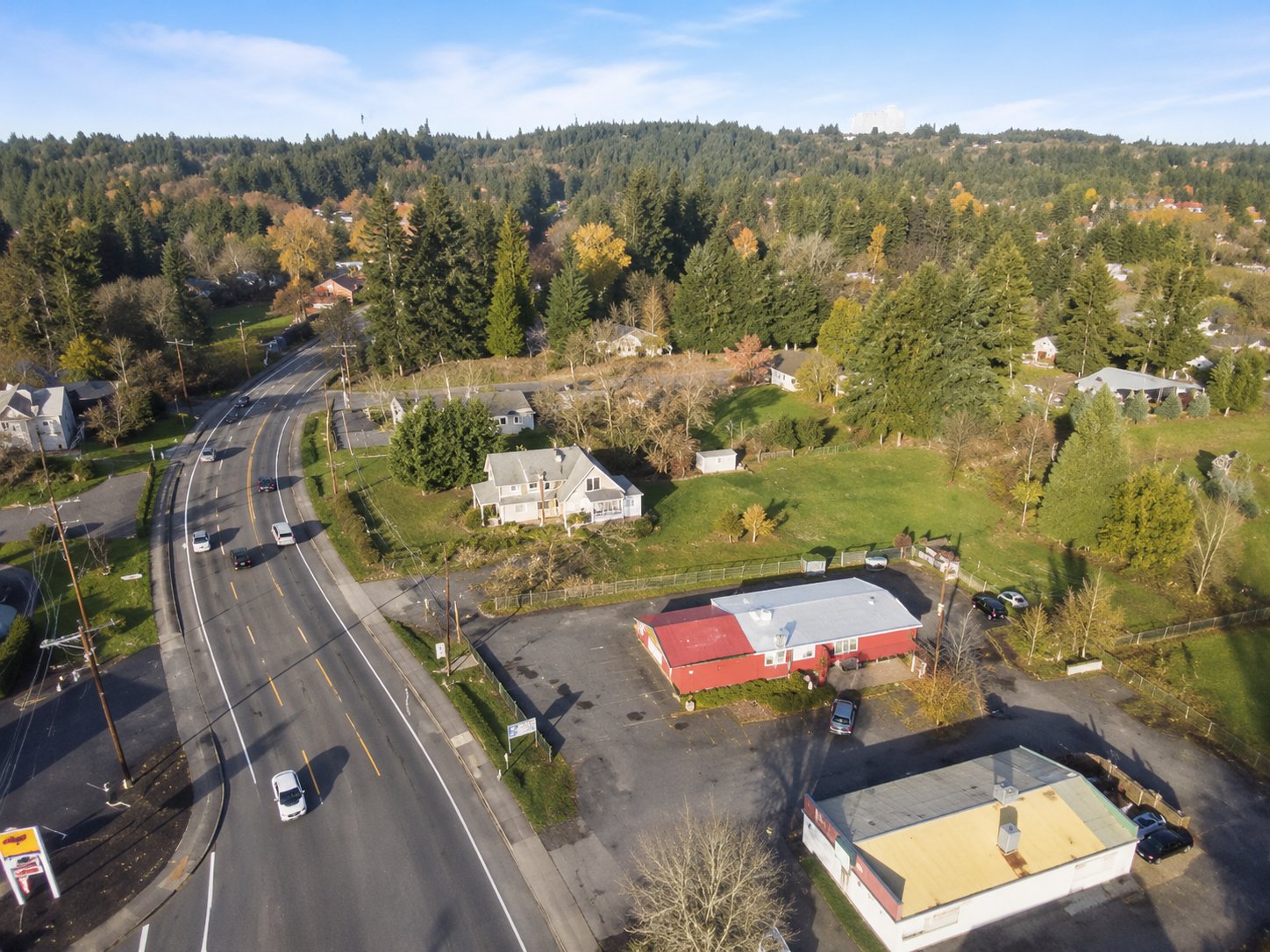
Mulino is an unincorporated community in Clackamas County, Oregon, positioned along the Highway 213 corridor approximately 5 to 8 miles south of Molalla and 8 to 12 miles northeast of Canby in the agricultural flatlands and gently rolling terrain that characterizes the southern Clackamas County rural landscape. The community sits within the Molalla River watershed, surrounded by working farmland — nursery operations, berry farms, Christmas tree operations, hay and grain fields, and the pastoral rural landscape that defines this portion of Clackamas County's agricultural identity between the Willamette Valley's northern agricultural plain and the Cascade foothills that rise to the east.
Mulino is genuinely small — a community with a post office, a handful of commercial properties along the highway, and a residential population distributed across the rural acreage parcels and smaller residential lots that make up the community's housing fabric rather than concentrated in the kind of city-block residential grid that incorporated cities produce. The community's character is agricultural in the working sense — defined by the land uses that surround it and the residents who have a functional relationship with that land rather than an aesthetic one — and that character is the primary draw for the buyer who finds Mulino and recognizes it as exactly what they were looking for.
Mulino falls within the Molalla River School District — the same smaller independent district that serves the Molalla community, with the K-12 community-embedded school culture, the close teacher-student relationships, and the small-district character that the previous guide on Molalla addressed in full. Specific school assignments and transportation logistics for Mulino addresses are worth confirming early in the search process, as the rural nature of the community and the distances involved in rural school district transportation can affect the daily logistics of family life in ways that urban and suburban buyers occasionally underestimate before they have navigated them concretely.
Portland International Airport is approximately 30 to 42 miles from Mulino, typically a 45 to 65 minute drive depending on traffic, time of day, the specific route through the Clackamas County rural corridor, and the conditions on the Highway 213 and Highway 99E approaches toward the metro and PDX. The most practical driving paths run north through Molalla and west toward Canby, connecting to Highway 99E north toward Oregon City and the I-205 corridor toward PDX, or continuing north through Oregon City to I-205 and the airport approach. The drive is entirely manageable for occasional travelers and households whose flight cadence is monthly or less — the rural highway approach to the metro is scenic, predictable outside of peak windows, and free of the interstate gridlock dynamics that compress urban commute times unpredictably. For buyers who travel weekly for work, the airport distance from Mulino is a genuine factor that deserves the same honest pre-purchase evaluation that the previous Molalla guide addressed — the drive is longer than it appears on a map because the rural highway approach to the metro does not benefit from the freeway speeds and infrastructure that closer-in communities access. MAX light rail does not serve Mulino, making the airport and the metro core exclusively a driving proposition for Mulino residents regardless of transportation preferences.
What Your Money Gets You: Homes at Every Price Point
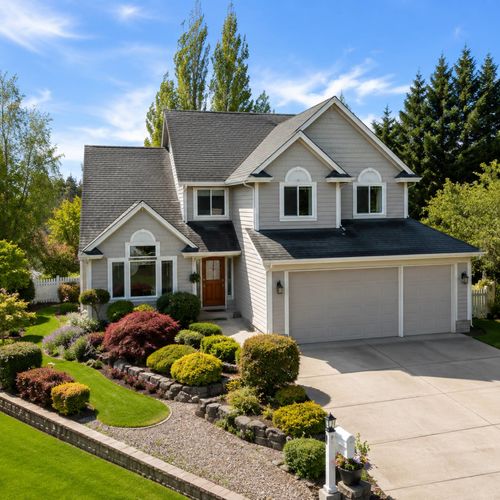
Mulino's housing market is defined almost entirely by its rural character — acreage parcels, older residential homes on agricultural lots, and the occasional newer construction on purchased rural parcels rather than the phased subdivision development that defines the nearby Molalla and Canby residential markets. There is no planned community here, no developer amenity package, and no model home center offering incentives on quick move-ins. What Mulino offers is individual properties on individual parcels in a working rural landscape — each one specific to its site, its acreage, its position relative to the agricultural surroundings, and the character that its owner has built into it over the years of ownership that rural properties accumulate in ways that suburban properties rarely do.
The housing stock in Mulino reflects the community's agricultural history and its distance from the metro's growth pressure — older farmhouses and rural residential structures from the 1950s through 1980s on established agricultural parcels, more recent residential construction on purchased rural lots from buyers who arrived in the last two to three decades with the intention of building rather than inheriting, and the full range of condition and character that rural residential inventory of multiple eras and multiple ownership histories produces. Understanding any specific Mulino property requires engaging with what the parcel actually is — its acreage, its agricultural infrastructure, its well and septic status, its access road condition, and its position within the surrounding land use context — rather than evaluating it against an abstract residential comps framework that the market's rural character makes only partially applicable.
Here is a realistic look at what different price points deliver in this market:
$325,000 – $425,000 Entry-level Mulino delivers the community's older rural residential stock in its most original or modestly updated form — typically 1960s through early 1980s construction on parcels ranging from one to several acres, in the 1,000 to 1,600 square foot range. Two to three bedrooms, one to two baths, and the functional rural residential floor plan configurations that older Oregon farmhouse construction produced without architectural ambition but with the structural honesty that reflects building for permanence rather than resale margin. The land is the primary value proposition at this price point — parcels with genuine acreage, established tree lines, agricultural outbuildings in varying condition, and the kind of rural property footprint that no amount of money purchases within thirty miles of the metro core in any direction. Condition at this range is the honest variable — some properties have been maintained by long-term owners whose relationship with the land reflects genuine stewardship. Others carry the accumulated deferred maintenance of rural properties held through decades of changing priorities and fixed budgets. Well condition, septic system age and capacity, outbuilding structural integrity, and the access road situation are the due diligence priorities that matter most at this range — more than the kitchen finish level and significantly more than the paint color. For buyers who can evaluate a rural property for its land, its systems, and its structure rather than its surface presentation, this range consistently produces the kind of opportunity that buyers oriented toward conventional residential metrics overlook entirely.
$425,000 – $575,000 This is the most active and most revealing price band in the Mulino market — the range where the community's rural residential value proposition becomes most clearly legible and where buyers who have done the honest Clackamas County comparison between the metro-adjacent markets and the genuine rural foothills corridor tend to arrive with the most conviction. Homes in this range tend to be updated or well-maintained rural residential properties on parcels ranging from two to ten or more acres — three to four bedrooms, two baths, kitchens that have been addressed with genuine intention in the last decade, and the outdoor infrastructure — covered shop buildings, barns or outbuildings in good condition, fenced pasture, established garden areas, creek or pond features in some cases — that accumulates on a well-managed rural property over decades of functional stewardship. The agricultural setting does extraordinary work at this price point. You are not purchasing a home that competes on finish level with suburban new construction — you are purchasing a property with actual land utility, actual privacy, and an outdoor environment that cannot be accessed at any price within twenty miles of the Portland metro core in any direction. For buyers whose purchase criteria include keeping animals, operating a home-based agricultural operation, maintaining a serious workshop, or simply having enough space between themselves and the world to live without negotiation — this is the price band where Mulino starts to feel not just appealing but specifically and completely right.
$575,000 – $775,000 Homes at this level represent the strongest residential product the Mulino rural corridor offers in the combination of livable interior quality and meaningful agricultural land utility. Updated or well-maintained rural residential properties on parcels of five to twenty or more acres — three to four bedrooms, two to three baths, updated interiors that reflect genuine investment in livability, and the kind of outdoor agricultural infrastructure that the most carefully managed rural Clackamas County properties develop over years of intentional stewardship. Multiple outbuildings in good condition, established pasture systems, creek or pond access, timber stands with harvestable value, panoramic Cascade foothills views from elevated positions, and the specific combination of rural infrastructure components that buyers with working homestead intentions specifically search for and that the broader Portland metro market cannot produce at this price point regardless of how far the search radius extends within thirty miles of the city. For buyers from California, Seattle, or other high-cost markets with real equity to deploy and a clear intention to establish a working rural base in the Oregon foothills, this price tier consistently delivers the rural value equation that the metro's closer-in markets cannot approach regardless of their amenity packages or their school district assignments.
$775,000 and above The upper end of the Mulino rural corridor market is defined by acreage scale, exceptional site quality, and the specific combination of residential livability and agricultural or timber infrastructure that characterizes the Clackamas County foothills at its most complete. Custom-built or extensively renovated rural residences on parcels of twenty or more acres, where the combination of Cascade foothills views, established timber, creek frontage, working pasture systems, and quality residential construction converges in configurations that the rural Oregon market produces at its best and that buyers at this level have typically been searching for specifically rather than discovering casually. These properties surface infrequently in a community this small, attract buyers who have been specific about their criteria long enough to recognize the right property without requiring time to deliberate, and move to buyers who were already prepared. If you are in this range and serious about what the Mulino and southern Clackamas County foothills corridor offers at its most exceptional, connection and preparation are the only correct postures.
Median home price in Mulino: The median in this market sits in the $430,000 to $510,000 range when the full rural residential and acreage inventory is considered — a figure that reflects the land component's meaningful contribution to property value in a way that straight residential comparisons consistently understate, and that represents one of the more compelling rural residential value propositions accessible within a manageable distance of the Portland metro. The gap between what the Mulino median delivers in terms of total property — acreage, agricultural infrastructure, rural privacy, Cascade foothills orientation — and what comparable money produces in the closer-in Clackamas County suburban markets of Happy Valley, Lake Oswego, or Oregon City is among the most visible and most durable value differentials in the entire Portland metro corridor. That gap reflects a genuine trade rather than an oversight in how the market has priced the community — the trade between proximity and space, between urban adjacency and rural authenticity — and it has been available in Mulino's market for long enough that buyers who find it early tend to feel retrospectively fortunate.
What About Renting in This Area?
The Mulino rental market is among the most limited in the Clackamas County rural corridor — reflecting the community's small size, its predominantly owner-occupied agricultural character, and the near-total absence of the multi-family and purpose-built rental development that requires commercial density and population concentration to justify the investment. What rental inventory exists in Mulino is privately held single-family and rural residential properties offered by individual landlords who know their properties, know the community, and tend to fill vacancies through personal networks and local word of mouth before any public-facing listing process begins — if a public-facing listing process begins at all.
Rural residential rentals in Mulino and the immediately surrounding Clackamas County agricultural corridor typically run between $1,400 and $2,400 per month depending on the size of the home, the acreage included, the condition and extent of outbuilding and agricultural infrastructure, and the overall character of the specific parcel. A modest two to three bedroom home on a rural lot with basic land access rents around $1,400 to $1,800. A larger, updated home on meaningful acreage with shop access, established pasture, and quality residential finishes pushes into the $1,900 to $2,400 range. Properties with exceptional agricultural infrastructure — multiple outbuildings, established livestock facilities, significant acreage — occasionally surface at higher rental figures when they do appear, though they do so rarely enough that generalizations about that segment of the market serve individual buyers less well than direct local inquiry.
The honest guidance for anyone planning to rent in Mulino: approach the search as a community relationship project rather than a listing platform exercise. Connect with local real estate professionals who know the Clackamas County rural rental landscape, engage with the Molalla community networks that include Mulino's surrounding rural residential population, and be prepared to move decisively when something appropriate becomes known — because rural rentals in a community this size and this character operate on timelines that reward community connection over platform monitoring. The buyer who already knows someone in Mulino is consistently better positioned than the buyer who just found it on Zillow.
Things to Do In and Around Mulino
Mulino's position in the agricultural corridor south of Molalla and northeast of Canby places residents within reach of a genuinely complete outdoor, natural, and community recreational range that the community's small size and rural character consistently underrepresent to buyers conducting research from a distance — and that residents who engage with what is actually accessible from a Mulino address describe as one of the more complete rural outdoor life propositions available in the Oregon metro corridor at any price point.
The Molalla River corridor is the defining natural asset of the broader Mulino-Molalla landscape — a river with swimming access, kayaking and paddling, fishing for salmon and steelhead, and the riverside natural environment that the Molalla River provides through the Clackamas County foothills terrain north and east of the community. For Mulino residents whose outdoor practice includes regular river access and water-adjacent recreation, the Molalla River is accessible within a short drive and functions as the community's primary natural recreation infrastructure in the same way that urban parks function for city-based residential communities — except that the river experience it delivers is genuinely wild rather than managed.
Molalla River State Park — accessible within 10 to 15 minutes north through Molalla — provides the most developed and most accessible version of the Molalla River experience, with swimming access, picnic infrastructure, river launching points for kayaks and paddleboards, and the organized park setting that provides accessible outdoor recreation for residents of the surrounding rural community regardless of their outdoor experience level or physical capability.
Table Rock is accessible within 20 to 30 minutes east of Mulino through the Molalla River corridor approach — the prominent volcanic remnant rising above the surrounding Clackamas County foothills with summit views across the Willamette Valley, the Coast Range, and the Cascade peaks from Mount Hood south that represent one of the more complete and most genuinely rewarding summit view experiences accessible from any Oregon metro residential community within an hour of Portland. For Mulino residents, Table Rock is the backyard mountain experience that the community's Cascade foothills adjacency makes available as a regular rather than occasional outdoor commitment.
The Clackamas River canyon — accessible via Estacada and Highway 224 approximately 25 to 35 minutes northeast of Mulino — delivers one of Oregon's most celebrated river recreation experiences: whitewater paddling and rafting, salmon and steelhead fishing that draws serious anglers from across the Pacific Northwest, old-growth forest hiking, and the canyon campground infrastructure that the Clackamas River's National Forest setting has developed over generations of Pacific Northwest outdoor recreation use. For Mulino residents whose outdoor practice extends toward the deeper Cascade recreation corridor, the Clackamas River canyon is the natural and recreational extension of the community's immediate landscape into the federal land system that begins where the foothills transition to the mountain proper.
Silver Falls State Park — Oregon's most visited state park and the home of the Trail of Ten Falls including the iconic South Falls that drops 177 feet behind a walkable trail — is approximately 35 to 45 minutes southeast of Mulino via the rural highway corridor through the agricultural and foothills landscape of Clackamas and Marion Counties. For most Portland metro residents, Silver Falls requires a 90-minute metro commute before the scenic approach even begins. For Mulino residents, Silver Falls is the kind of extraordinary natural experience that arrives within a drive that most people would describe as going to the grocery store — and that casual accessibility to one of Oregon's most spectacular state parks is the kind of daily quality-of-life asset that sounds abstract until you find yourself going there on a Tuesday because you felt like it.
The Molalla community infrastructure — 5 to 8 miles north — provides the nearest significant community services, commercial amenities, and social infrastructure for Mulino residents. The Molalla commercial corridor on Highway 211, the Molalla River School District facilities, the Molalla Buckeroo rodeo, and the community programming that a self-sufficient small Oregon city maintains for its surrounding rural population all fall within a short drive of Mulino addresses and function as the community hub that most small rural communities in the Pacific Northwest depend on an adjacent larger community to provide.
Canby is approximately 10 to 15 minutes west — a larger Clackamas County community with a more developed commercial and service infrastructure than Molalla, including grocery, medical, retail, and the everyday service categories that rural residential life requires regular access to for practical sustainability. The Canby Ferry — one of Oregon's last working cable ferries, crossing the Willamette River between Clackamas and Yamhill Counties on a seasonal schedule — is accessible from Canby and serves as both a practical river crossing and a genuinely charming piece of regional transportation culture that Mulino residents encounter early and use regularly.
The Willamette Valley agricultural corridor surrounds Mulino on its western and southwestern approaches — the nursery operations, berry farms, seed production fields, and the broader agricultural production landscape of Clackamas County's southern farmland, which provides direct-farm purchasing access, seasonal harvest opportunities, and the food system connection that living close to where food is actually grown makes naturally available rather than requiring deliberate effort to access. For Mulino residents oriented toward local food systems and agricultural purchasing as a lifestyle practice, the surrounding farmland is the infrastructure rather than the amenity.
Oregon City is approximately 20 to 25 minutes northwest — the historic first incorporated American city west of the Rocky Mountains and the current county seat of Clackamas County, with courthouse services, medical infrastructure, a developing downtown commercial district, and the kind of historic significance and civic identity that a city at the end of the Oregon Trail accumulates across generations of institutional investment. For Mulino residents whose routine requires county services, specialty medical, or the full commercial footprint of a substantial Oregon city without the Portland commute, Oregon City fills that role within a drive that remains entirely practical from the Mulino corridor.
Portland is 40 to 55 minutes northwest for the full urban experience — the Pearl District, Portland's nationally recognized dining culture, Moda Center professional sports, OHSU for major medical, PDX for travel, and the cultural and professional infrastructure of a Pacific Northwest city. Accessible when the occasion calls for it and not so close that the city's pace and complexity defines the daily experience of a community that has organized itself around a fundamentally different relationship with the land and the landscape.
Mount Hood National Forest is accessible from Mulino via the Estacada and Clackamas River corridor in approximately 35 to 50 minutes — Timberline Lodge, Mount Hood Meadows ski area, the Pacific Crest Trail, Timothy Lake, and the full multi-season recreation landscape of Oregon's most iconic Cascade peak available within a drive that most Mulino residents consider entirely practical for a full day trip rather than a planned overnight commitment.
The Champoeg State Heritage Area and Willamette Valley wine country are accessible to the west via the Canby and rural Willamette Valley approach — Champoeg's riverside historical experience within 30 to 35 minutes and the Yamhill County wine region's tasting rooms and winery operations within 45 to 55 minutes for residents who want Oregon wine country within practical day-trip range from the southern Clackamas County corridor.
Where to Eat
Mulino's dining landscape is honest about what an unincorporated rural community of its size and character produces — essentially no restaurant infrastructure of its own, a complete dependence on Molalla and Canby as the primary dining communities for the surrounding rural residential population, and the particular food culture that proximity to working agricultural land develops in residents who grow, source, and cook what the surrounding farms and their own gardens produce. That reality is stated plainly here because the buyers Mulino is right for already know it and appreciate the framing, and the buyers Mulino is not right for need to know it before they arrive rather than after.
Mulino's immediate commercial corridor along Highway 213 provides the most basic convenience services — a limited range of casual options for the passing traveler and the immediate community's most routine needs — without developing the restaurant and dining infrastructure that incorporated cities with larger residential populations generate and sustain. What exists is functional rather than culinary, and most Mulino residents do not look to the community's immediate highway corridor for dining in any meaningful sense.
Molalla's dining options — 5 to 8 miles north — are the primary dining ecosystem for Mulino residents, with the casual dining rotation that Molalla's Highway 211 commercial corridor provides for weeknight meals and the community social dining that the small city's tavern and restaurant culture has developed for the rural residential population that surrounds it. The Pub at Molalla and the casual dining options along the Molalla commercial corridor serve the community's everyday dining needs with the unpretentious character that small Oregon agricultural city restaurant culture produces at its most genuine.
Canby's restaurant corridor — 10 to 15 minutes west — provides the most immediately accessible expanded dining variety for Mulino residents, with a broader range of casual and mid-range dining options that reflect Canby's larger population and its role as the commercial service anchor for the southern Clackamas County agricultural corridor. For weeknight meals requiring more variety than Molalla's immediate footprint delivers, Canby is the practical first extension of the Mulino dining orbit.
Oregon City's dining scene — 20 to 25 minutes northwest — has developed meaningfully over the last decade and provides the most concentrated and most varied dining experience accessible from Mulino without reaching Portland proper. Independently owned restaurants, craft beer taprooms, and a downtown dining culture that reflects a historic Oregon city's investment in its own commercial revival rather than its dependence on the metro's cultural programming.
The Clackamas River canyon dining corridor — accessible via Estacada and Highway 224 approximately 25 to 35 minutes northeast — provides the riverside dining and craft beer culture that serves the Clackamas canyon's recreational traffic and that Mulino residents whose outdoor practice takes them toward the canyon regularly incorporate into the natural post-outdoor meal rotation.
Willamette Valley wine country dining — via the Canby and Newberg approach — brings the Joel Palmer House in Dayton, Thistle in McMinnville, and the growing roster of farm-to-table restaurants that Yamhill County's wine tourism has attracted to the region within 50 to 65 minutes of Mulino. The approach via the Canby and rural Willamette Valley corridor is more scenic and less congested than the Portland metro approach, making the wine country dining outing more casually accessible from Mulino than the absolute drive time suggests.
Portland is 40 to 55 minutes northwest for the full Portland dining landscape — every price point, every cuisine, and the culinary depth of a nationally recognized food city that Mulino residents access deliberately and find worth the drive when the occasion genuinely calls for it.
The framing that serves Mulino buyers most honestly: the food culture of a rural agricultural community is organized around the kitchen rather than the restaurant, and the kitchen in a working rural Clackamas County property is supplied by the farmland surrounding it in a way that urban and suburban kitchens are not. Berry picking from the farm two miles away, eggs from the chickens in the outbuilding, vegetables from the garden on the south-facing slope, and the kind of seasonal, direct relationship with food production that most Oregon residents idealize from a distance and that Mulino residents access simply by living where they live. Buyers who make that transition — from restaurant culture to kitchen culture — tend to discover it is one of the more satisfying aspects of the rural Oregon life they chose, and one that arrives more naturally and more quickly than they expected.
Who Moves to Mulino?
After nearly three decades working markets across the Pacific Northwest on both sides of the Columbia River and across the full Oregon metro and rural corridor, the Mulino buyer is among the most specific and most self-aware residential profiles I encounter anywhere in the region. They have not arrived at Mulino by accident, by progressive budget exhaustion in closer-in markets, or by settling for the last affordable option the market left available. They have arrived by a process of deciding what they actually want from the place they live that most buyers in the Portland metro begin but rarely complete with the honesty that Mulino requires, because the conclusion it produces demands a genuine willingness to live farther from the city than the metro's gravitational pull typically allows without a deliberate and sustained effort to resist it.
They are remote workers and self-employed professionals — the category that the broader shift to distributed work has grown dramatically and that the rural Oregon market has benefited from directly — who recognized that their address was no longer constrained by any employer's geography and who asked themselves, with genuine honesty, where they would actually live if the commute requirement were removed entirely. Mulino is frequently the answer that emerges when that question is asked by someone who genuinely values land over proximity, working agricultural surroundings over walkable commercial access, and the self-sufficient rural life over the curated convenience of the suburban metro corridor. These buyers have typically done enough research before they call to know that they are not romanticizing rural Oregon — they have visited, they have driven the commute routes at the times they would actually use them, they have looked at the internet infrastructure options for their specific address, and they have concluded that the trade is exactly what they want rather than an approximation of something they could get closer in.
They are genuine agricultural and homesteading buyers — the households who want to keep livestock, run a serious market garden operation, maintain a working orchard, manage a timber stand, or operate the kind of self-sufficient rural property that the land surrounding Mulino naturally supports and that the land surrounding any closer-in Oregon community cannot provide at any price once the population density reaches the level that makes agricultural activity inconsistent with the neighbors who surround it. These buyers are not performing rural life for social media — they are building it for their own daily experience, and Mulino's agricultural surroundings, its acreage lot culture, and its working rural community character provide the setting that their plans require.
They are buyers from California, the Bay Area, and other high-cost West Coast markets whose equity deployment in the Pacific Northwest reflects a genuine and researched conclusion that rural Clackamas County foothills living is what they came to Oregon for — not the urban approximation of it that Portland delivers with considerable sophistication but that ultimately remains urban in the ways that matter most to buyers whose primary orientation is the land rather than the city. They have run the Oregon rural residential comparison honestly — Lane County, Douglas County, the Rogue Valley, the Willamette Valley agricultural corridor, the Clackamas County foothills — and arrived at Mulino through a process that weighted the Portland metro's proximity for the occasional urban access it provides alongside the rural foothills character, the river access, and the price point that the Clackamas County corridor delivers without the rural isolation that more remote Oregon markets require buyers to fully accept.
They are, consistently and most revealingly, buyers who stay. The land does not depreciate the way neighborhood reputations do. The river does not relocate. The agricultural surroundings do not become less quiet. And the working rural community character that Mulino has maintained across multiple decades of Oregon's growth cycle is not a fragile amenity that the next development phase will replace — it is the fundamental character of a place defined by its geography and its land uses in ways that suburban communities simply are not. Mulino's turnover is low for reasons that are structural rather than incidental, and that structural retention is the most reliable signal available that the community is delivering what it promises rather than marketing what it aspires to.
What You Should Know Before You Commit
Mulino requires more specific and more thorough pre-purchase due diligence than any suburban or urban residential market in the Portland metro, and the gap between buyers who navigate that due diligence correctly and buyers who skip it in favor of the emotional appeal of the land and the setting is wider here than in any other market covered in this content library. The rural character that makes Mulino what it is also makes the inspection framework, the utility infrastructure confirmation, and the access and connectivity verification essential rather than advisory components of any purchase decision.
Well and septic are the baseline rural utility considerations that every Mulino property outside the community's limited service area requires thorough evaluation of — well condition and water quality testing, pump age and capacity, septic system age, capacity, and condition including drain field assessment, and the relationship between the specific property's land uses and the septic system's rated capacity. These are not the cosmetic inspection items that suburban buyers sometimes deprioritize in favor of kitchen countertop discussions — they are the fundamental infrastructure of rural residential function, and discovering their inadequacy after closing is among the most expensive and most disruptive post-closing experiences available in any residential market. Budget for thorough evaluation. Ask specific questions. Confirm specific answers before the offer.
Internet infrastructure in Mulino and the surrounding rural Clackamas County corridor varies by provider, technology, and specific address in ways that cannot be generalized from the community's broader county broadband investment narrative. For remote workers whose professional lives depend on reliable high-speed connectivity — which describes a disproportionate share of the buyers Mulino attracts — confirming the specific internet options available at the specific address being considered, through direct inquiry with the relevant providers rather than general county coverage maps, is essential due diligence that should precede the emotional investment of a serious offer rather than follow it.
Access roads on rural Clackamas County properties are worth evaluating specifically for their condition, maintenance responsibility, and seasonal passability rather than assuming that the easement language in the title documents fully describes the practical reality of year-round access. Some Mulino area properties have access via privately maintained roads whose condition reflects the investment priorities of the neighboring landowners who share them rather than a public maintenance budget. Understanding who maintains the access road, what the maintenance cost sharing arrangement is, and what the road's condition is across all four seasons is basic rural property diligence that urban buyers occasionally discover matters more than anticipated on the first February after closing.
Flood zone and creek adjacency considerations affect specific properties in the Mulino and Molalla River watershed area in ways that vary meaningfully by specific location — FEMA flood zone designations affect insurance requirements and occasionally structural considerations for properties in the river corridor, and understanding the specific designation of any creek-adjacent or low-lying property you are considering before the offer rather than during the inspection period is the right sequencing for that information.
Commute honesty is the most important pre-purchase conversation for any Mulino buyer maintaining any professional relationship with the Portland metro that requires regular physical presence. The distance is real, the rural highway approach adds time beyond what interstate proximity provides, and the occasional winter weather events in the Clackamas County foothills corridor can close or significantly complicate access for periods that are rare but not negligible in any given winter. Driving the route at the times you would actually use it before the offer — not estimating from Google Maps on a Sunday afternoon — is the practical discipline that separates buyers who made the Mulino decision with full information from buyers who made it with optimistic assumptions.
None of these are reasons to avoid Mulino. They are the honest terms of the rural residential trade, stated plainly — because the only time that conversation is genuinely useful is before the offer rather than after closing, and I have been having it long enough to know that the buyers who engage with it directly are the ones who are still satisfied with their decision five years after moving in.
Thinking About a Property in Mulino?
Mulino inventory surfaces infrequently, moves when the right buyer is ready rather than when the market decides to accommodate unprepared buyers, and rewards the household that has done the rural property due diligence framework before finding the right property rather than beginning to organize it after the emotional appeal of a specific parcel has already made the preparation feel like an obstacle. I know Clackamas County, I know the rural foothills corridor market that Mulino sits within, and I will give you a straight read on what you are looking at — the land, the systems, the access, the connectivity infrastructure, the commute reality, and the complete total cost of ownership picture for a rural property — before you write anything.
See more about Mulino
Want to learn more about Mulino neighborhoods and homes?
Homes for sale in Mulino: https://jamiemeushawrealestate.com/properties/city-Mulino,%20OR/
Watch more local real estate insights on my YouTube channel:
https://www.youtube.com/@JamieMeushaw
Sign up for my weekly newsletter for real estate tips and market updates:
https://jamiemeushawrealestate.com/newsletter
Check out this article next