


Where Exactly Is Maplewood?
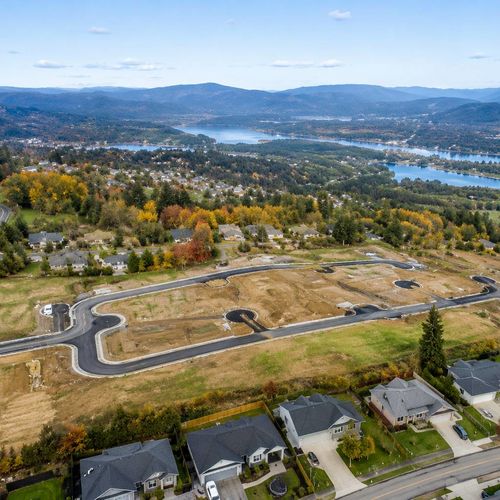
Maplewood is a neighborhood within the city of Portland, Oregon, in Multnomah County — positioned in the Southwest Hills terrain west of the Hillsdale commercial district, south of the West Hills residential ridge, north of the Raleigh Hills unincorporated Washington County community, and east of the Garden Home area where Portland's city boundary meets the broader Washington County suburban fabric. The neighborhood occupies the forested hillside terrain between SW Scholls Ferry Road to the south, the Hillsdale and West Portland corridors to the north and east, and the West Hills slope that climbs toward the Tualatin Mountains and Forest Park above.
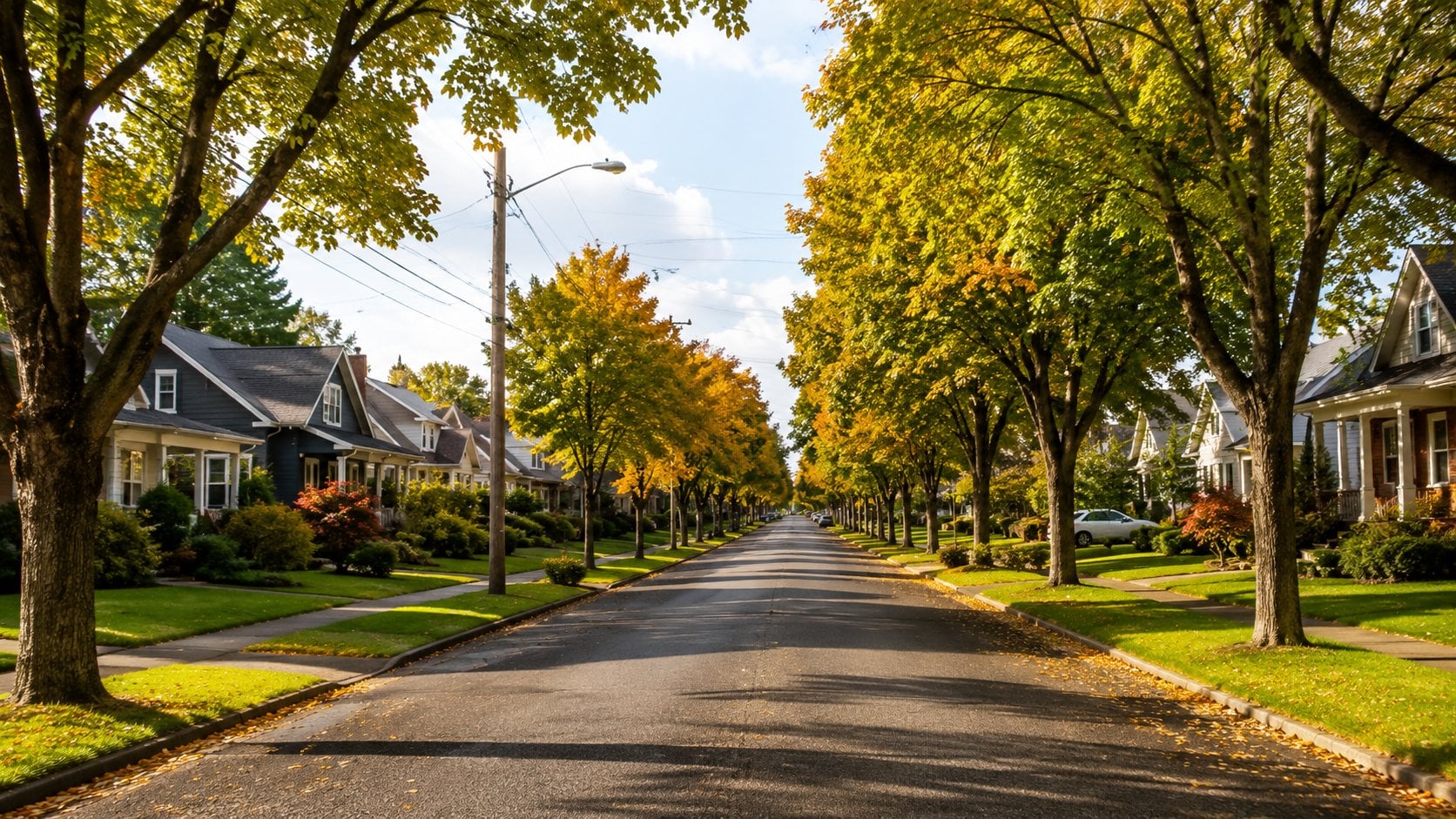
The residential character is defined by the terrain that shaped it — forested lots beneath mature Douglas fir and mixed deciduous canopy, streets that follow the hillside contours rather than imposing a grid, and mid-century single-family homes that were sited with attention to the natural setting rather than positioned for maximum lot efficiency. The result is a neighborhood that feels more naturalistic, more private, and more genuinely removed from the urban fabric than its distance from downtown Portland's core would predict — a quality that the Southwest Hills terrain produces consistently along the West Hills corridor and that Maplewood delivers with the particular intimacy of a smaller, less trafficked neighborhood rather than the grand scale of the West Hills estates above.
Maplewood is served by Portland Public Schools — the city's public school system, with the school choice and focus option framework that characterizes PPS across all of its Portland neighborhoods. For families with school-age children, the specific school assignments for Maplewood addresses and the focus option programs available through PPS are worth researching early and specifically rather than assuming that proximity to the Washington County line produces any access to the Beaverton School District that immediately borders the neighborhood to the west. The Portland city boundary is the school district boundary here, and buyers who have been comparing PPS against the Beaverton School District across the Southwest Hills corridor need to confirm specifically which side of that boundary their address falls on before the school district comparison informs the purchase decision. Maplewood addresses are on the PPS side — a fact that affects the buyer profile meaningfully and that the honest pre-offer conversation addresses directly rather than by omission.
Portland International Airport is approximately 16 to 22 miles from Maplewood, typically a 28 to 42 minute drive depending on traffic, time of day, and your specific route through the Southwest Hills and the Portland west side toward PDX. The most practical driving paths run east through the Hillsdale and Barbur Boulevard corridors to I-5 north, or via the Beaverton-Hillsdale Highway and US-26 east toward the airport approach. The MAX Orange Line is accessible from the nearby Barbur Transit Center and the broader South Portland transit corridor — providing connectivity toward downtown Portland and the South Waterfront rather than a direct PDX transit option without a transfer at the Gateway Transit Center. For frequent travelers and households where airport proximity is a meaningful quality-of-life factor, Maplewood delivers a workable and predictable airport driving commute from the Southwest Hills corridor — not the metro's shortest airport run, but offset by the neighborhood's other natural and lifestyle advantages that buyers consistently evaluate against it rather than treating the airport distance as a standalone disqualifying variable.
What Your Money Gets You: Homes at Every Price Point
Maplewood's housing market reflects the Southwest Hills terrain that shaped the neighborhood — primarily mid-century single-family construction from the 1950s through 1970s on forested hillside lots where the natural setting, the mature canopy, and the privacy that the West Hills terrain produces are as much of the property as the structure that sits within it. New construction within Maplewood's established residential footprint is genuinely limited — the forested terrain, the neighborhood's lot pattern, and Portland's land use framework in this corridor combine to make infill development on new parcels rare enough that the market is essentially entirely resale. What that produces is a housing inventory with genuine character, meaningful lot depth and canopy coverage, and the condition variability that mid-century residential stock always delivers — rewarding buyers who approach it with inspection rigor and renovation honesty, and occasionally surprising buyers who prioritize visual readiness over structural substance.
Here is a realistic look at what different price points deliver in this market:
$500,000 – $650,000 Entry-level Maplewood delivers the neighborhood's mid-century residential stock in its most original or modestly updated form — primarily 1950s and 1960s construction in the 1,200 to 1,700 square foot range, three bedrooms, one to two baths, and the single-level ranch or modest split-level configurations that hillside residential construction in this era produced in response to the Southwest Hills terrain. Lots at this price point reflect the neighborhood's development-era generosity — forested, deep, and privately positioned in ways that flat suburban lots of similar acreage cannot replicate because the mature canopy and the hillside topography create privacy and natural enclosure that no landscaping budget on a flat suburban parcel achieves regardless of the investment. Condition is the defining variable — some homes have been maintained by long-term owners who understood what they had and cared for it accordingly over decades of stewardship in the Pacific Northwest's demanding maintenance climate. Others carry the accumulated deferred work that older residential properties in heavily forested settings develop when roof and drainage maintenance is the primary ongoing obligation and it has been inconsistently met. The value at this price point is genuine: Portland city address, West Hills forested setting, Maplewood's neighborhood character and Hillsdale commercial proximity, and the kind of private wooded lot that no comparable Portland price point produces in the inner eastside or close-in north Portland neighborhoods that buyers at this budget often consider first. For buyers who can evaluate a mid-century home in a forested setting for its structure, its drainage, its roof, and its systems rather than its surface presentation — this range produces real opportunity.
$650,000 – $825,000 This is the most active and most revealing price band in the Maplewood market — the range where the neighborhood's full value proposition becomes most clearly legible and where buyers who have done the honest Southwest Hills corridor comparison tend to arrive with the most conviction. Homes in this range tend to be updated or thoughtfully maintained single-family properties in the 1,500 to 2,200 square foot range — three to four bedrooms, two baths, kitchens that have been addressed with genuine intention rather than cosmetically refreshed for a sale, and the outdoor spaces — forested yards, covered decks oriented toward the tree canopy, established native plantings — that reflect how Pacific Northwest hillside residential living actually works when it is engaged with fully rather than treated as a background to a conventional suburban lifestyle. Some homes at the upper end of this range have been renovated with genuine architectural respect for the mid-century character that makes Maplewood's housing stock distinctive — original woodwork preserved and refinished rather than painted over, baths updated without erasing the proportions that give older homes their livable quality, kitchens opened to views of the forested lot rather than turned toward the street as if the natural setting were incidental rather than central to why anyone chose this address. For move-up buyers, Portland professionals whose employment is in the city or along the SW corridor, and relocators from higher-cost markets who want the forested West Hills character and Portland city address at a price point that the West Hills estates above Maplewood have left entirely behind — this range delivers the most clearly readable version of what Maplewood offers.
$825,000 – $1,050,000 Homes at this level represent the strongest residential product Maplewood currently offers — fully renovated or comprehensively updated single-family properties where owners have invested seriously and intelligently in bringing mid-century structures to a contemporary living standard without sacrificing the forested lot character, the hillside privacy, or the architectural identity that gives Maplewood's best properties their distinct quality within the Southwest Hills residential landscape. Three to four bedrooms, two to three baths, kitchens rebuilt at a level that competes directly with new construction on function and finish while retaining the spatial relationship with the natural setting that newer construction in more accessible terrain rarely achieves. Primary baths reconfigured with walk-in showers, quality fixtures, and the finish level that buyers at this price point have earned the right to expect and that the market has trained them to require when it is absent. Outdoor spaces that reflect the full Pacific Northwest outdoor living investment — covered deck structures built to be used rather than photographed, native garden plantings that require maintenance in harmony with the surrounding forest ecology rather than in competition with it, and the kind of spatial privacy from neighboring properties that Maplewood's lot depth and tree canopy produce without any additional privacy landscaping investment. For buyers who want a fully realized, move-in-ready property in a Portland city address with West Hills forested character, Forest Park trail access within practical reach, and Hillsdale's commercial infrastructure immediately adjacent — this range delivers the most complete version of the Maplewood proposition.
$1,050,000 – $1,400,000 At this level, Maplewood delivers its most compelling and most site-specific residential inventory — properties where the combination of lot character, forested privacy, renovation quality, view orientation, and hillside positioning within the neighborhood converges at a standard that places them at the top of the Southwest Hills residential quality conversation below the West Hills estates that occupy the ridge above. Some properties in this range have been custom-built or fully rebuilt on Maplewood's most exceptional lots — parcels where the mature Douglas fir canopy, the natural topographic privacy, and the specific hillside position relative to the neighborhood's residential fabric combine to create a site quality that cannot be manufactured or replicated on any flatland parcel at any price. Four bedrooms, three-plus baths, primary suites with genuine architectural intention, kitchens designed rather than specified, outdoor living spaces that engage seriously with the specific natural setting the lot provides rather than appending a generic covered patio to a house that never fully acknowledged its own terrain. These are properties that attract buyers who have been watching the Maplewood and Southwest Hills corridor long enough to understand that the neighborhood's most exceptional inventory represents a value proposition against comparable product in the West Hills estates or Lake Oswego that is genuinely compelling once the comparison is made with specific properties rather than neighborhood reputations.
$1,400,000 and above The upper end of the Maplewood market is defined by the rarest and most site-specific properties in the community — homes where the forested lot scale, the architectural investment, the hillside positioning, and the overall residential quality place them in a category that the broader SW Portland market produces infrequently and that buyers at this level have typically been searching for specifically rather than discovering casually. These properties surface rarely, attract buyers who know what they are looking for, and move to buyers who were already prepared rather than sitting for the market to organize around them. If you are in this range and serious about what Maplewood's most exceptional inventory offers, connection and preparation are the only correct postures.
Median home price in Maplewood: The median sits in the $680,000 to $775,000 range — a figure that reflects the neighborhood's forested West Hills setting, its Portland city address and Hillsdale commercial adjacency, and the consistent demand that the combination of natural setting, residential privacy, and SW Portland lifestyle infrastructure generates from buyers who have done the Southwest Hills corridor comparison honestly. Against the West Hills estates above Maplewood at significantly higher price points, the neighborhood delivers the forested character and the hillside residential quality at a price that the ridge's most commanding lots make unavailable to the majority of the West Hills buyer market. Against Raleigh Hills and the adjacent unincorporated Washington County communities immediately to the south and west, Maplewood delivers the Portland city address, the Hillsdale walkability, and the urban services infrastructure that Washington County's unincorporated communities — with their superior school district and tax structure — cannot provide for buyers whose criteria require the Portland side of the boundary. The premium relative to the broader SW Portland market reflects the neighborhood's forested lot depth and the hillside character that the West Hills terrain produces and preserves.
What About Renting in This Area?
The Maplewood rental market reflects the neighborhood's predominantly owner-occupied, forested hillside character — turnover is slow, inventory is limited, and the rental properties that do surface are almost entirely single-family homes offered by individual landlords rather than the purpose-built rental development that commercial corridors and transit-adjacent neighborhoods generate. This is a neighborhood where people purchase with the intention to stay for the canopy and the quiet, and the rental market reflects that ownership culture in its limited and infrequent inventory.
Single-family rentals in Maplewood typically run between $2,300 and $3,800 per month depending on size, condition, lot character, canopy coverage, renovation level, and the specific privacy and hillside positioning that distinguish the neighborhood's most desirable properties from its more modestly situated ones. A three-bedroom, two-bath home in solid condition with a forested yard and usable outdoor space rents around $2,300 to $3,000. A larger, updated four-bedroom home with quality finishes, meaningful tree canopy coverage, and the hillside privacy that Maplewood's best lots deliver pushes into the $3,000 to $3,800 range. Homes at the upper end of the neighborhood's quality spectrum, when they appear as rentals, command the top of that range and lease quickly to well-qualified tenants who recognize the value relative to the purchase market.
The broader Hillsdale and Southwest Portland rental market immediately accessible from Maplewood provides a more varied inventory of apartment and smaller unit configurations — starting around $1,300 to $2,000 for one to two bedroom configurations in established SW Portland apartment buildings — for renters whose budget requires an entry point below the single-family rental range that Maplewood's housing stock produces. For buyers planning to rent while orienting to the SW Portland purchase market, establishing in Hillsdale or the broader SW corridor while actively searching in Maplewood is a common and practical approach that keeps the commute and neighborhood familiarization process efficient.
Well-priced single-family rentals in Maplewood's forested setting move quickly — the combination of the West Hills character, the Hillsdale proximity, and the Portland city address creates a consistent and motivated renter demographic that engages with quality inventory decisively. Being organized and ready to commit when the right property surfaces is the correct posture regardless of how much runway your relocation timeline appears to provide on the front end.
Things to Do In and Around Maplewood
Maplewood's position in the Southwest Hills places residents at the intersection of one of Portland's most complete urban outdoor access corridors and the Hillsdale commercial and community infrastructure that serves the broader SW Hills residential community — a combination that buyers from neighborhoods without this specific convergence of natural setting and urban amenity access consistently describe as more complete than they anticipated from a neighborhood of Maplewood's modest size and low profile.
Forest Park is accessible from Maplewood via the West Hills trail network and the trailhead system that connects the Southwest Hills residential streets to the 5,000-plus acre urban forest above — placing the largest urban forest in the United States within a practical walk or short drive of most Maplewood residential addresses. The Wildwood Trail, the Leif Erikson gravel road, and the connector trail system that threads through the West Hills terrain above the neighborhood provide the 80-plus miles of Douglas fir and western red cedar forest that define Portland's outdoor identity from a residential address that is itself within a forested setting rather than adjacent to one from across a neighborhood commercial strip. For outdoor-oriented buyers who want to walk out of a forested lot and directly into a forested trail network — the distinction between living near a forest and living in one — Maplewood's position in the Southwest Hills corridor is one of the most complete expressions of that proposition available in Portland at any price point below the West Hills estates.
Marquam Nature Park is immediately accessible from the Maplewood and Southwest Hills corridor — a 176-acre natural area within the Portland city limits with trails connecting the Southwest Hills residential streets to Council Crest, the highest point in Portland, with panoramic views of the Cascade peaks, the Willamette Valley, and the metropolitan landscape below. The Marquam Trail system provides a direct connection between the SW residential neighborhoods and the Council Crest summit that functions as an everyday outdoor resource rather than a special occasion destination for residents whose addresses are embedded in the hillside terrain the trail traverses. The connection to Forest Park via the Wildwood Trail through the Marquam Nature Park extends the accessible trail network further, creating a continuous natural area system that Maplewood residents access more completely than most Portland neighborhoods by virtue of their hillside positioning within it.
Council Crest Park at the summit of the Southwest Hills ridge — accessible via the Marquam Trail or by car up SW Council Crest Drive — delivers one of Portland's most complete panoramic view experiences from within the city limits: all five major Cascade peaks visible on clear days, the Willamette Valley's agricultural and urban landscape spread below, and the Coast Range defining the western horizon across the Tualatin Valley. For Maplewood residents who use the trail network regularly, Council Crest becomes the frequent destination that Portland visitors drive to experience once and that neighborhood residents experience on their own schedule whenever the weather produces the views that make the summit worthwhile.
Hillsdale Town Center is within walking distance of most Maplewood residential addresses — a genuine neighborhood commercial district with independent restaurants, coffee shops, a farmers market, grocery access, and the kind of locally rooted commercial character that reflects a Southwest Hills community's investment in its own neighborhood center rather than dependence on distant suburban retail. The Hillsdale Farmers Market is one of the more beloved neighborhood markets in SW Portland, operating seasonally with the produce, artisan food, and local vendor culture that Pacific Northwest communities with agricultural surroundings support and sustain when their residential base is engaged with local food systems. For Maplewood residents, Hillsdale's commercial infrastructure functions as the daily commercial complement to the forested residential character that defines the neighborhood's primary identity.
Multnomah Village is 10 to 15 minutes east — one of Portland's most beloved and most genuinely neighborhood-scale commercial districts, with independent boutiques, restaurants, coffee shops, and the kind of locally rooted street-level commercial energy that reflects a community that has been investing in its own main street for generations rather than discovering it recently. For Maplewood residents whose daily commercial orbit extends beyond Hillsdale, Multnomah Village provides the most complete and most characteristically Portland neighborhood commercial experience within practical reach of the Southwest Hills corridor.
Gabriel Park in the Southwest Hills is accessible from Maplewood and provides one of SW Portland's most complete community park experiences — extensive open green space, athletic fields, tennis courts, a dog off-leash area, a community garden with plots available to SW Portland residents, and the kind of accessible outdoor gathering infrastructure that a residential neighborhood park serves at its most functional. The park's scale relative to the surrounding residential density makes it one of SW Portland's most genuinely useful community parks rather than simply its largest.
The Terwilliger Parkway — the forested boulevard and trail corridor running along the West Hills face between SW Portland and Lake Oswego — is accessible from Maplewood and provides one of Portland's most scenic and most consistently used cycling and running corridors: a protected parkway with tree canopy, territorial views toward the East Hills and Cascade peaks, and the kind of gradient that serious runners and cyclists use for training rather than recreation in a setting that makes training feel less like obligation than it does on flat urban infrastructure.
Oregon Health and Science University — OHSU is 15 to 20 minutes northeast on the Marquam Hill — one of the Pacific Northwest's most significant research university and medical center institutions, whose employment base draws professionals from across the Southwest Hills and Portland's south and west corridors. For households where one partner works at OHSU, Maplewood's position in the Southwest Hills provides a commute via the West Hills and Terwilliger corridors that is among the most practical available from any Portland residential neighborhood with comparable natural setting and forested character.
The Barbur Boulevard and SW Naito Parkway corridors provide Maplewood's primary connections to the broader Portland street network, the I-5 and Barbur Transit Center access points, and the South Portland and downtown Portland destinations that define the city's professional and cultural core. The MAX Orange Line at the Barbur Transit Center connects SW Portland residents to the South Waterfront, downtown, and the broader TriMet network — a transit asset that is more useful for south and east Portland destinations than for westward suburban connections.
The Portland Japanese Garden and Washington Park are accessible from Maplewood via the West Hills road network — 20 to 25 minutes to one of the most celebrated Japanese gardens in North America, the International Rose Test Garden, the Oregon Zoo, and the Hoyt Arboretum's 185 acres of urban arboretum collections within the Washington Park complex. For Maplewood residents whose cultural and botanical orientation includes these institutions as regular rather than occasional destinations, the West Hills road network makes Washington Park access more direct from the Southwest Hills than from most inner eastside neighborhoods that are nominally closer in straight-line distance.
Willamette Valley wine country is accessible from Maplewood via the Beaverton-Hillsdale Highway west toward Beaverton and the Newberg-Dundee approach — the Chehalem Mountains, the Dundee Hills, and the northern Willamette Valley wine region within 45 to 60 minutes for residents who want Oregon's most celebrated wine country within practical day-trip range. The approach via the Southwest Hills and the Washington County corridor is more direct and less congested than the inner Portland approach through Beaverton for much of the year.
The Oregon Coast is approximately 80 to 95 minutes west via US-26 through the Sunset Highway and Coast Range — Cannon Beach, Seaside, and the broader north Oregon coast within day-trip range, though the approach from Maplewood requires navigating the Beaverton-Hillsdale Highway to the Sunset Highway rather than accessing it directly from a Washington County address. The drive is workable and the destination rewards it, but buyers should understand the routing before assuming the coast access is as casual from the SW Hills as it is from the Highway 26 corridor communities covered in the Washington County guides.
Downtown Portland is 20 to 30 minutes northeast via the Barbur Boulevard or the SW Naito Parkway corridors — the Pearl District, the South Park Blocks, the Portland Art Museum, Moda Center, and the full urban infrastructure of a major Pacific Northwest city accessible when the occasion calls for it. For Maplewood residents whose professional and cultural life includes regular downtown Portland engagement, the SW corridor commute is predictable and workable outside of peak commute windows, and the Barbur Transit Center's MAX connection provides the transit alternative for evenings that the car-free option serves better than the parking situation.
Where to Eat
Maplewood's dining landscape draws primarily from the Hillsdale Town Center immediately adjacent to the neighborhood, the Multnomah Village corridor to the east, and the broader SW Portland and inner Portland dining ecosystems that the neighborhood's city address makes accessible within practical reach — a dining radius that reflects SW Portland's particular combination of neighborhood commercial authenticity and proximity to Portland's nationally recognized restaurant culture.
Hillsdale Brewery and Public House is the Hillsdale Town Center's most established dining and drinking anchor — a neighborhood brewpub with genuine craft beer, a kitchen that serves the surrounding community reliably for both casual meals and proper sit-down occasions, and the community gathering function that a neighborhood pub earns by being consistently present and consistently good rather than by being occasionally exceptional. For Maplewood residents, the Hillsdale Brewery is the neighborhood dining institution that defines the community's social dining culture in the way that the best neighborhood pubs always do — the place where you see your neighbors without planning to, where the post-trail pint happens naturally, and where the neighborhood's social fabric reveals itself on a Friday evening.
Papa Haydn West brings one of Portland's most beloved dessert and Pacific Northwest dining institutions to the Hillsdale corridor — a restaurant whose dessert program has built a citywide reputation and whose full menu serves the Southwest Hills community as a proper dining destination for occasions that call for something more than the neighborhood's casual dining options deliver. Worth making a reservation and worth the occasion it creates.
The Hillsdale Farmers Market vendors and the broader Hillsdale corridor provide the daily coffee, bakery, and casual dining infrastructure that a Southwest Hills neighborhood commercial district develops when its residential base has the income and the food orientation to sustain quality independent operators over time. Several independent cafes and casual dining options along the Hillsdale commercial corridor serve the Maplewood community's routine dining needs without requiring a drive to Multnomah Village or inner Portland for the weeknight meal rotation.
Multnomah Village — 10 to 15 minutes east — is the primary destination for a proper neighborhood dining night out within the SW Portland corridor, with multiple independently owned restaurants representing varied cuisines and price points along the SW Capitol Highway commercial strip. The village's dining culture reflects the community it serves — locally rooted, quality-conscious, and built on repeat business from residents who have been eating at the same restaurants long enough to have opinions about what changed on the menu and what didn't. Marco's Cafe, Fat City Cafe, and the broader Multnomah Village dining ecosystem give Maplewood residents access to one of SW Portland's most complete and most genuinely neighborhood-scale dining environments within a short drive.
The SW Barbur Boulevard commercial corridor provides the everyday casual dining variety that the broader SW Portland residential corridor depends on for weeknight meals and quick-service options — a range of restaurants and food businesses along the Barbur corridor that serves the South Portland and Southwest Hills residential community with the practical dining infrastructure that a major Southwest Portland arterial generates and sustains over decades of residential use.
Lake Oswego's downtown dining corridor is 20 to 25 minutes southeast — the upscale independent restaurant and wine bar experience that complements the neighborhood commercial character of Hillsdale and Multnomah Village with the culinary investment and the elevated casual dining options that Lake Oswego's income level generates along its primary commercial street. For Maplewood residents who want a proper dinner night out in an environment with genuine ambition and genuine local character, Lake Oswego's downtown fills that role within the SW and south Portland metro corridor.
The NW District and Pearl District dining corridors — 20 to 30 minutes northeast via the Barbur and I-5 approach — bring the full inner Portland dining landscape within reach for the occasions that call for Pacific Northwest fine dining, craft cocktail culture, or the restaurant variety that Portland's nationally recognized food city identity produces. Paley's Place, Ken's Artisan Pizza, Ataula, and the broader NW 21st Avenue restaurant corridor are accessible from Maplewood within a drive that most SW Portland residents describe as entirely practical for the right evening.
Portland's full restaurant landscape — James Beard-recognized restaurants, the diverse culinary corridors of SE Portland, the Pearl District, and the comprehensive dining infrastructure of a nationally recognized food city — is accessible from Maplewood within the range that any Portland-addressed neighborhood produces for residents whose social and cultural dining life takes them into the city's most vibrant corridors. The Southwest Hills position adds a modest time buffer over inner Portland neighborhoods but never enough to make the drive feel disproportionate to the destination.
The honest framing: Maplewood is a neighborhood where the everyday dining experience centers on Hillsdale and Multnomah Village for the casual routine and where Portland's full restaurant culture is accessible for the occasions that call for it. Residents who engage honestly with that dining geography — treating it as the natural complement to a neighborhood that prioritizes forested residential character over walkable restaurant density — consistently find it more than adequate, and occasionally discover that the particular quality of what Hillsdale's independent operators produce for the Southwest Hills community is better than the broader market gives SW Portland credit for.
Who Buys in Maplewood?
After nearly three decades working both sides of the Columbia River and across the full Portland metro landscape, the Maplewood buyer is one of the most specifically outdoor-oriented and most deliberately naturalistic residential profiles I encounter in the Portland city limits. They have typically done the full SW Portland corridor comparison — Multnomah Village versus Hillsdale, Washington County unincorporated versus Portland city address, Beaverton School District versus Portland Public Schools — and arrived at Maplewood through a process that weights the forested lot character, the West Hills trail access, and the specific residential privacy that the hillside terrain produces so heavily that the school district comparison and the tax structure comparison are subordinated to the natural setting in the final evaluation.
They are Portland professionals and creative households — OHSU physicians and researchers, creative industry workers, architects and design professionals, educators and nonprofit sector employees — whose employment and professional identity is embedded in the Portland city ecosystem and for whom a Washington County address, despite its financial advantages, introduces a geographical and cultural distance from the city that their professional and social life makes practically inconvenient. They want to be in Portland — genuinely in Portland, with a Portland address, Portland city services, and the Portland civic identity — while living in the part of Portland that most closely approximates the forested residential character that draws buyers to the West Hills from across the metro. Maplewood gives them that combination.
They are outdoor-oriented households whose daily routine includes Forest Park trail use, Council Crest views, and the Terwilliger Parkway running and cycling corridor as accessible extensions of their residential lifestyle rather than weekend destinations requiring advance planning. For these buyers, the proximity to the trail network — specifically the daily walkable or runnable access to 5,000-plus acres of urban forest from a forested residential lot — is the non-negotiable criterion that Maplewood satisfies in the SW Portland corridor in a way that no Multnomah County neighborhood east of the West Hills ridge can replicate at any price point.
They are buyers from California, Seattle, the Bay Area, and other West Coast markets with hillside residential culture — markets where forested residential settings command significant premiums and where the relationship between housing value and natural setting is understood clearly rather than requiring explanation. They arrived in the Portland market with the sophistication to recognize that Maplewood's forested lot character, West Hills positioning, and hillside residential privacy represent a value proposition that comparable West Coast hillside residential communities price significantly higher — and that the Portland premium gap between Maplewood and the West Hills estates above it represents one of the more durable value opportunities in the city's residential landscape for buyers whose aesthetic and outdoor criteria align with what the neighborhood provides.
They are families who have engaged honestly with the Portland Public Schools comparison, confirmed the specific school assignments for their Maplewood address, and concluded that the PPS focus option landscape, the school community character of the specific schools serving the Southwest Hills corridor, or the overall Portland city educational ecosystem meets their specific criteria — buyers who made the school district decision with full information rather than assumption, and who chose the Portland side of the boundary with clear eyes rather than by default.
They are, consistently, long-term holders. The forested lot does not depreciate. The trail access does not diminish. The hillside privacy does not erode. And the specific combination of Portland city address and West Hills natural character that Maplewood delivers is not a temporary market condition but a structural feature of the neighborhood's geographic position that has sustained its residential appeal through every market cycle the Portland metro has experienced. Maplewood's turnover reflects that durability, and the residents who have been in the neighborhood longest are consistently the ones most likely to recommend it to the buyer behind them.
What You Should Know Before You Commit
Maplewood rewards buyers who engage honestly with the forested hillside residential reality and allocates its forgiveness generously to buyers who understood the character of the setting before they moved into it rather than discovering its practical implications after closing.
Forested lot maintenance in the Pacific Northwest's wet climate is the ongoing responsibility that the West Hills residential character most consistently underestimates — tree hazard assessment and management, roof moss and debris accumulation, gutter maintenance in a heavily canopied environment, drainage management on sloped lots where the water follows the terrain with genuine conviction during extended rain events, and the general infrastructure maintenance that forested residential settings in the Cascade Range's rain shadow consistently demand. These are not exceptional circumstances — they are the baseline maintenance reality of living in a forested hillside setting in the Pacific Northwest, and buyers who budget for them explicitly before the purchase rather than encountering them as surprises after closing navigate the Maplewood ownership experience successfully rather than reluctantly.
Drainage and water management on Maplewood's hillside lots deserves specific attention during the inspection and due diligence process — the West Hills terrain directs water predictably down gradient, and properties where the drainage infrastructure has not been maintained adequately relative to the site's water movement dynamics during extended rain events can produce basement moisture, foundation concerns, and yard management challenges that properties with properly maintained drainage systems do not. Confirming the drainage situation specifically rather than generally for any Maplewood property being considered seriously is basic pre-offer diligence.
Fire risk in the West Hills and the broader Portland urban-wildland interface is an increasingly important property evaluation component — the City of Portland's urban-wildland interface designation for properties within the West Hills corridor affects insurance landscape, vegetation management requirements, and in some cases the specific fire mitigation measures that properties in this zone are encouraged or required to maintain. Understanding the specific fire risk designation and the associated insurance and maintenance implications for any Maplewood property being considered is worth a direct conversation before the offer rather than a post-closing discovery of the insurance premium implications.
The PPS school district assignment is the factor that most clearly distinguishes Maplewood from the adjacent Washington County communities immediately to its west and south — Raleigh Hills, Cedar Hills, and the broader Beaverton School District corridor — and the one that most directly affects the buyer pool's family demographic. Confirming the specific school assignment for any Maplewood address, understanding the focus option landscape that PPS makes available for SW Portland families, and making the school district comparison with full information rather than assumption is the pre-purchase homework that family buyers owe themselves before the emotional appeal of the forested setting makes the assignment question feel like a detail rather than a foundation.
Hillside driveway and access on some Maplewood residential streets produces the practical considerations that hillside residential properties in the Pacific Northwest consistently present during winter rain events and the occasional freezing conditions that the West Hills experiences annually — steep driveway grades that require appropriate vehicle capability, ice and wet-leaf traction considerations on grades that flat suburban driveways do not produce, and the routing implications of hillside street networks that do not always provide multiple access options when a primary route is temporarily compromised. Understanding the specific access configuration and driveway grade of any Maplewood property being considered before the offer is basic pre-purchase diligence that pays for itself in the first November rather than the first winter storm.
Thinking About a Home in Maplewood?
Maplewood inventory at the quality end of the market — fully renovated mid-century properties on the neighborhood's most privacy-advantaged lots, and the forested hillside homes with genuine trail access and the specific West Hills character that buyers who know the Southwest Hills corridor are searching for — moves with the momentum of a neighborhood where the forested setting, the Hillsdale walkability, the Forest Park proximity, and the Portland city address create a buyer pool that engages with well-priced properties decisively rather than casually. I know SW Portland, I know the West Hills corridor at the level the forested hillside market requires, and I will give you a straight read on what you are looking at — the property, the drainage situation, the forested lot maintenance reality, the school assignment confirmation, the fire risk designation, and the complete total cost of ownership picture — before you write anything.
See more about Maplewood
Want to learn more about Maplewood neighborhoods and homes?
Homes for sale in Maplewood: https://jamiemeushawrealestate.com/properties/neighborhood-Maplewood,%20Portland,%20OR/
Watch more local real estate insights on my YouTube channel:
https://www.youtube.com/@JamieMeushaw
Sign up for my weekly newsletter for real estate tips and market updates:
https://jamiemeushawrealestate.com/newsletter
Check out this article next