


Where Exactly Is Vernonia?
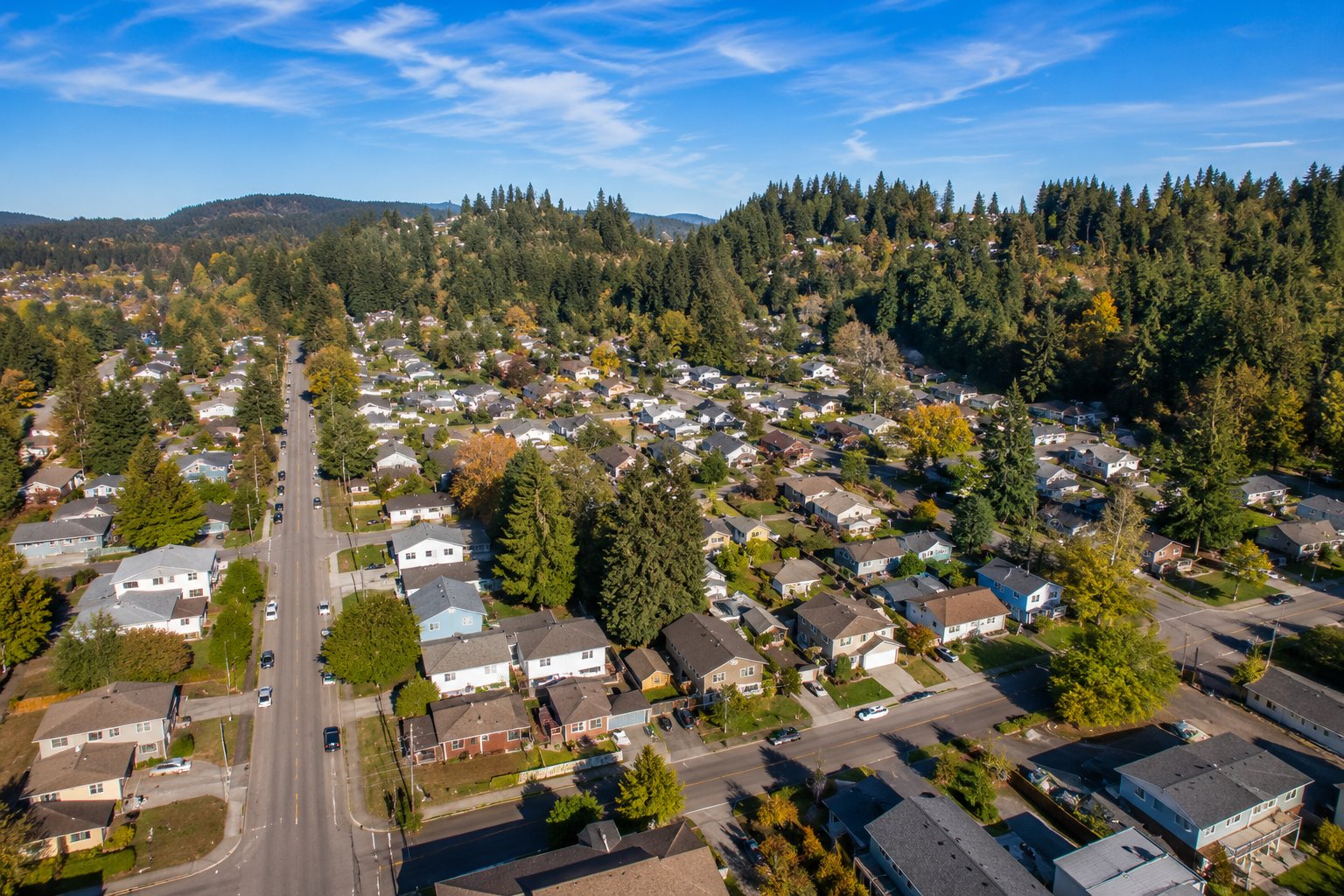
Vernonia is an incorporated city in Columbia County, Oregon, positioned approximately 42 to 48 miles northwest of downtown Portland along Highway 47 — the two-lane state highway that runs north from Forest Grove through the Coast Range foothills to Vernonia and continues northwest toward Clatskanie and the Columbia River corridor communities beyond. The city sits in the upper Nehalem River valley, surrounded on multiple sides by the forested ridgelines and creek drainages of the Coast Range in a geographic setting that produces the particular enclosure and intimacy that valley-bottom communities in Oregon's Coast Range develop when the mountain terrain rises visibly in multiple directions from the town center.
The Nehalem River runs through and adjacent to Vernonia — a smaller, clearer, colder stream at this elevation and this distance from the coast than the broader Nehalem River system that reaches the Pacific at Nehalem Bay, but one that provides the fishing access, the swimming holes, the riparian trail infrastructure, and the daily water presence that gives Vernonia its most immediate natural character. The city's position at the eastern terminus of the Banks-Vernonia State Trail — the 21-mile converted rail trail addressed in previous guides covering Banks and North Plains — gives it a direct connection to the recreational infrastructure that has become the community's most recognized outdoor asset and the primary mechanism through which the broader Portland metro's outdoor and cycling community has encountered Vernonia over the last decade.
The surrounding landscape is managed timber land, private forest, and the State Forest land of the Tillamook and Coast Range corridor — a working forest landscape that shapes the community's visual environment, its weather patterns, the character of its economy, and the outdoor culture that its residents develop in relationship to the forested terrain that begins effectively at the edge of the city's residential streets. The Coast Range's weather pattern — cloudier, wetter, and more definitively Pacific than the Portland metro's rainshadow position in the Willamette Valley produces — is a real and significant feature of Vernonia's daily living environment that buyers from the Portland metro or from drier climates occasionally underestimate before they have experienced a Vernonia November and overestimate once they have experienced a Vernonia June.
Vernonia is served by the Vernonia School District — one of Oregon's smaller independent school districts, serving the Vernonia community with a K-12 program that reflects the small community's character in the most direct and personal way that small Oregon districts produce. The district's enrollment reflects the city's modest population — small enough that the school community is genuinely integrated with the broader city community in ways that larger districts cannot achieve regardless of their intentional community-building efforts, and small enough that teacher-student relationships span years rather than semesters and the extracurricular culture reflects what the community's residents actually want rather than what a large district's programmatic infrastructure independently produces. The Vernonia School District is not the Beaverton School District — it does not have dual-language immersion, AP course depth, or the specialized programming breadth of a large suburban district, and buyers for whom those specific features are meaningful criteria should engage with that comparison honestly before the school district assumption informs the purchase decision. What it is, genuinely and durably, is a district whose schools are the community in the specific way that only very small Oregon school districts produce — and buyers who value that specific quality are consistently among the most satisfied residents the community attracts.
Portland International Airport is approximately 46 to 54 miles from Vernonia, typically a 60 to 80 minute drive depending on traffic, time of day, conditions on Highway 47, and the specific route through the northwestern Portland metro toward PDX. The most practical driving paths run south on Highway 47 through Banks and the Hillsboro corridor, connecting to US-26 east toward Portland and the airport approach via I-205 or the direct PDX Marine Drive corridor. The drive is manageable for occasional travelers — the rural highway approach through the Coast Range foothills and the agricultural Washington County plain is scenic and predictable outside of peak windows — but it is a genuine hour-plus commitment that weekly travelers should evaluate with full honesty before the community's other merits override the practical calculus of a professional life that requires regular PDX access. This is the furthest from PDX of any community in this content library, and that distance is a real factor in the purchase decision for any household whose professional or family life requires frequent air travel.
What Your Money Gets You: Homes at Every Price Point
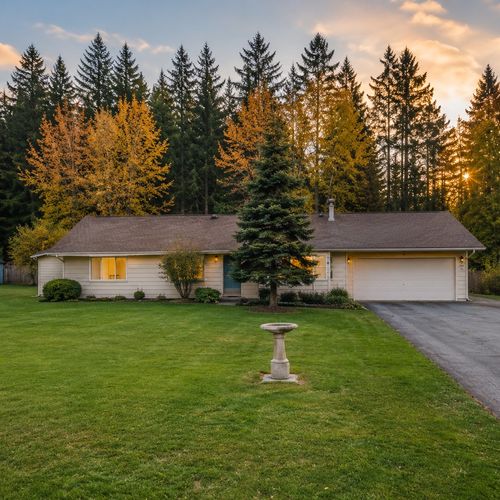
Vernonia's housing market reflects its history, its current trajectory, and its specific position in the Oregon rural small-city residential landscape with the directness that a community this size and this honest cannot avoid producing. The housing stock is the accumulated result of the timber economy's construction eras — homes built for timber workers and their families across the early to mid-20th century, mid-century additions as the community grew and then contracted with the industry cycle, and the more recent residential construction that has arrived in modest quantities as the community's trail town identity and its remote work appeal have begun attracting buyers who chose Vernonia deliberately rather than arriving through the employment connection that defined earlier residential waves. New construction is limited — the community's small size, its geographic constraints in the Nehalem River valley, and the broader economic trajectory of a post-timber small Oregon city have not produced the developer investment that would generate phased residential additions — making the market primarily resale inventory with the genuine character and genuine condition variability that multi-era small-city residential stock always produces.
Here is a realistic look at what different price points deliver in this market:
$200,000 – $300,000 Entry-level Vernonia delivers the community's most original and least-updated residential stock — primarily early to mid-20th century and 1950s through 1970s construction in the 800 to 1,400 square foot range, two to three bedrooms, one bath in most cases, and the functional residential configurations that timber community development produced without architectural ambition but with the structural honesty that building for permanence rather than investment return historically provided. Lots at this price point are consistently more generous than anything comparable pricing produces in any Washington County or Clackamas County market — deeper, more naturally vegetated, and in some cases large enough to support the garden operations, outbuildings, and outdoor lifestyle uses that buyers from the metro find unavailable at any price within thirty miles of the city's core. Condition at this range is variable in the honest way that residential stock of this age and history always is — some homes have been maintained by long-term Vernonia residents whose relationship with the property reflects genuine stewardship. Others carry the accumulated deferred work of properties held through economic contraction periods when maintenance investment competed with other financial priorities. The value at this price point is among the most specific in this entire content library: a residential address in a Coast Range community on the Nehalem River at the western terminus of the Banks-Vernonia Trail, at a price that the Portland metro stopped producing for anything with comparable natural access and comparable community character at any distance meaningful to the buyer making the comparison. For first-time buyers, retirees downsizing from larger properties with lower cost-of-living as the organizing criterion, buyers whose renovation budget and competence make an older property an opportunity rather than a risk, and investors evaluating the Vernonia corridor's trajectory — this range produces the most specific and most accessible version of the Vernonia value proposition.
$300,000 – $425,000 This is the most active and most revealing price band in the Vernonia market — the range where the community's full residential value proposition becomes most clearly legible and where buyers who have run the rural Oregon small-city comparison honestly tend to arrive with the most conviction. Homes in this range tend to be the community's best-maintained or most recently updated single-family properties — three bedrooms, two baths in most cases, kitchens that have been addressed with genuine intention in the last decade, and the outdoor spaces that a Nehalem River valley residential setting produces when it has been engaged with fully rather than neglected in favor of interior cosmetics. Some homes in this range sit on lots that back to the Nehalem River corridor, the Banks-Vernonia Trail greenway, or the natural open space that the surrounding Coast Range landscape threads through the community's residential fabric in ways that urban and suburban developments cannot replicate regardless of their trail and park investment. For remote workers who have identified the Coast Range community lifestyle as the organizing principle of their residential search, families whose school district priorities align with the Vernonia District's intimate community-centered character, and relocators from higher-cost markets who want genuine small-city authenticity in a Coast Range river setting at a price that no closer-in Oregon community produces for the combination of natural access and community character this range delivers — this is the range where Vernonia starts to feel not just appealing but specifically and completely right.
$425,000 – $575,000 Homes at this level represent Vernonia's strongest residential product in its conventional single-family inventory — the most extensively updated or best-positioned properties in the community, where renovation quality, lot character, river or trail proximity, and overall livability come together at a standard that positions them at the top of the small Columbia County inland city residential hierarchy. Updated three to four bedroom homes with genuine finish quality, meaningful outdoor spaces, and the specific lot positioning within Vernonia's Nehalem River valley setting that delivers the most direct and most complete version of the Coast Range river community experience the city provides. Some properties in this range sit on acreage parcels at the city's edges where the transition from residential to rural begins — lots where the forested ridgelines of the Coast Range are not a distant backdrop but an immediate presence, where the creek drainages threading through the surrounding terrain provide the kind of daily natural contact that most Oregon residential communities at any price produce only from a distance.
$575,000 and above The upper end of the Vernonia market is defined by the most site-specific properties in the community — acreage parcels with established timber, creek or Nehalem River frontage, custom or extensively renovated residential structures on the most exceptional lots the Nehalem River valley produces within practical distance of the city's services, or the occasional property that combines residential quality with the kind of rural agricultural or forestry infrastructure that the surrounding Columbia County landscape makes available to buyers whose acquisition criteria include functional rural land alongside livable residential structure. These properties surface infrequently in a community this small and this specific, and they attract buyers who have been looking for something specific long enough to recognize it without needing time to decide.
Median home price in Vernonia: The median sits in the $280,000 to $350,000 range — making Vernonia one of the most financially accessible incorporated Oregon cities with its own school district, its own community services, direct trail access to the Banks-Vernonia State Trail, and Nehalem River access within the entire Portland metro's accessible radius. The absolute price gap between what the Vernonia median delivers and what comparable natural access and comparable community character costs in any other incorporated Oregon community closer to the Portland metro is the most direct expression of the specific value proposition this community offers — and it reflects the community's post-timber trajectory and its distance from the metro core rather than any meaningful deficiency in what the land, the river, and the trail infrastructure actually provide. Buyers who find that gap before the broader market fully discovers the community tend to feel, with justification, that the discovery was worth the research that produced it.
What About Renting in This Area?
The Vernonia rental market is among the most limited in the entire Columbia County corridor — reflecting the city's small population, its predominantly owner-occupied community character through most of its residential history, and the near-total absence of the purpose-built rental development that a community of Vernonia's size and economic trajectory has not generated the investment climate to produce at scale. What rental inventory exists is privately held single-family homes offered by individual landlords who know their properties, know their neighbors, and tend to fill vacancies through community connections before any public-facing listing process begins — in a community this small, that dynamic is essentially universal rather than merely common.
Single-family rentals in Vernonia when they surface typically run between $1,100 and $1,900 per month depending on the size of the home, the lot character, the condition and recency of any updates, and the proximity to the trail corridor or the Nehalem River that distinguishes the community's most desirable residential positions from its more modestly situated ones. A modest two to three bedroom home in solid condition rents around $1,100 to $1,500. A larger, updated home with meaningful outdoor space and quality finishes pushes toward $1,600 to $1,900. Smaller and older inventory without recent updates sits at the lower end of that range and represents genuine value for renters whose budget requires the lowest entry point that an incorporated Oregon city with its own school district and community infrastructure can provide.
The honest guidance for anyone planning to rent in Vernonia: approach the search as a community orientation project rather than a platform exercise, engage with the small-city networks that a community of Vernonia's scale maintains through genuine neighbor relationships rather than digital listing infrastructure, and be prepared to make decisions quickly when something appropriate becomes known. The rental market in a community this small operates on community time rather than platform time, and the buyer who is already connected is consistently better positioned than the buyer who just found the city on Zillow.
Things to Do In and Around Vernonia
Vernonia's position in the upper Nehalem River valley surrounded by the Coast Range's forested ridgelines and managed timber land places residents inside one of the Pacific Northwest's most specifically outdoor-oriented and most authentically natural small-city settings — a landscape that delivers what most rural Oregon buyers have been assembling as their criteria list from a single residential address at a price point that the broader market has not yet fully recognized as reflecting the quality of what it buys.
Banks-Vernonia State Trail is Vernonia's defining outdoor asset and the primary mechanism through which the broader Portland metro's outdoor and cycling community has encountered the city over the last decade — the 21-mile converted rail trail that runs from Banks through the Coast Range foothills to Vernonia, traversing the Buxton trestle, the Tophill tunnel, and the old-growth forest sections of the western approach that consistently surprise first-time visitors expecting a flat rail trail and finding instead a genuine Coast Range forest experience with real elevation change, real forest character, and the kind of trail environment that serious cyclists and trail runners build their training schedules around rather than using as a casual leisure option. For Vernonia residents, the Banks-Vernonia Trail begins at the city's edge — the western terminus trailhead is within walking or cycling distance of most residential addresses in the community — making it the everyday outdoor infrastructure of daily life rather than a destination requiring a drive. That relationship to the trail — the difference between living at the trailhead and driving to it — is one of the more genuinely significant quality-of-life distinctions that a Vernonia address provides over any other community along the trail corridor, and it is one that compounds over years of daily use in ways that are difficult to communicate to buyers who have not experienced the difference concretely.
The Nehalem River runs through and adjacent to Vernonia and provides the daily water access that the city's river valley setting makes possible — swimming holes in summer, fishing access for trout and steelhead across the season, and the riparian corridor walking and wildlife observation that a Coast Range river community in the upper watershed produces in the particular intimacy of a river small enough to know rather than merely appreciate. The Nehalem River's character at Vernonia — smaller, clearer, and more personally navigable than the broader river systems that receive the Portland metro's recreational attention — produces the kind of direct and specific water relationship that larger rivers in more recognized recreational corridors deliver with less immediacy for the resident who lives alongside them rather than visiting them.
Fishhawk Lake is approximately 8 to 12 miles northwest of Vernonia in the Coast Range and provides a private lake community and recreational lake experience that rounds out the Vernonia corridor's water access beyond the Nehalem River's flowing water character. The lake's community infrastructure and the Coast Range setting it occupies reflect the specific outdoor culture of Columbia County's western mountain communities — self-sufficient, seasonally oriented, and organized around the lake's own natural rhythms rather than the programmed recreational infrastructure that state parks and commercial recreation facilities produce.
The Tillamook State Forest — the managed state forest landscape that comprises a significant portion of the terrain surrounding Vernonia — provides dispersed hiking, hunting, mountain biking, off-highway vehicle recreation, and the kind of unstructured outdoor access that Oregon's state forest system offers with a generosity that most public land systems in other states cannot match. The forest roads and trail systems accessible from Vernonia's surrounding landscape provide essentially unlimited outdoor programming for the hiking, hunting, and natural exploration-oriented buyer whose outdoor practice requires more than a developed trail corridor can deliver — and the working forest landscape that managed timber operations maintain provides the particular ecological character of a forest that is both wild and productive in the simultaneous way that the Oregon Coast Range timber country has always been.
Stub Stewart State Park — approximately 20 to 25 minutes south of Vernonia toward the Banks corridor — is the full-service state park addressed in previous Columbia County guides, providing camping, mountain biking infrastructure, hiking, and equestrian facilities in the Coast Range foothills terrain that serves as the primary developed recreation facility for the Vernonia and north Columbia County community within a practical drive of the city.
The Oregon Coast — accessible via Highway 47 south to Forest Grove and then Highway 6 west toward Tillamook, approximately 60 to 75 minutes — places the north-central Oregon coast within day-trip range from Vernonia through the Coast Range forest corridor and the Wilson River canyon approach that delivers one of the more scenic and more specifically Pacific Northwest coastal approaches available from any metro-adjacent rural residential community in the state. The Tillamook Bay area, Pacific City, Lincoln City, and the broader central Oregon coast are accessible from Vernonia via this route at drive times that residents with flexible schedules execute with the casualness that the Pacific Northwest's coast-oriented outdoor culture enables for communities positioned on the coast's eastern approach.
The Wilson River Trail — accessible via the Highway 6 west approach toward Tillamook approximately 30 to 40 minutes south of Vernonia — delivers one of Oregon's most celebrated and most specifically Coast Range river trail experiences: old-growth forest, Wilson River corridor hiking, and the natural environment of the Tillamook State Forest's most popular recreation corridor accessible from Vernonia as a regular rather than exceptional outdoor commitment.
Forest Grove — approximately 25 to 30 minutes south on Highway 47 — provides the nearest significant commercial service center for Vernonia residents, with grocery, medical, retail, specialty services, and the full commercial infrastructure of a substantial Washington County community that functions as the practical anchor for Vernonia's service needs in the south direction. Pacific University's campus in Forest Grove adds a cultural and community programming dimension to the city's commercial character that most rural service hub communities do not independently produce.
Banks — approximately 20 to 25 minutes south and east — is the eastern trailhead community for the Banks-Vernonia State Trail and the nearest small commercial corridor that serves the rural Washington County and Columbia County community between Vernonia and the Hillsboro-Forest Grove corridor. The Banks community's character — agricultural, small-scale, and organized around the trail corridor's recreational traffic and the surrounding farming community's daily life — makes it a natural companion community to Vernonia for the outdoor and agricultural-lifestyle buyer navigating the northwestern Oregon rural corridor.
Portland is 50 to 65 minutes southeast via Highway 47 through Forest Grove and the Highway 8 or US-26 corridor — a real drive through the Coast Range foothills and the Washington County agricultural plain that places the Portland metro's full urban infrastructure within reach for the occasions that call for it. The drive is scenic, predictable outside of peak windows, and entirely manageable for occasional use — the Portland experience that Vernonia residents access when they choose to access it rather than the Portland ambient that closer-in communities navigate whether they want to or not.
Where to Eat
Vernonia's dining scene reflects the community's scale and its current trajectory with the honest directness that a small post-timber Oregon city in active transition between identities produces — limited commercial restaurant infrastructure of its own, a growing number of independent food businesses that reflect the community's evolving character, and the particular food culture that proximity to the Coast Range's natural food systems, the Nehalem River's fishing, and the surrounding forest and agricultural landscape develops in residents who have settled into the rhythm of small-city Columbia County life.
Vernonia's own commercial corridor along Bridge Street and the city's primary commercial streets has seen meaningful new investment over the last decade as the community's trail town identity has attracted a modest but genuine wave of food businesses oriented toward the outdoor recreation demographic that the Banks-Vernonia Trail delivers to the city's doorstep on weekends and during the warm-season riding months. Coffee shops, casual dining options, and the trail-oriented food and beverage culture that builds around a functioning trail terminus town have established themselves in Vernonia's commercial fabric in ways that reflect the community's transition without yet constituting the full restaurant ecosystem that a more discovered or more populated community would have developed from the same decade of investment.
Vernonia Brewing Company — or the craft brewing presence that Vernonia's trail town identity has attracted and continues to develop — reflects the small-city brewing culture that Oregon's outdoor recreation communities consistently generate when their trail and river access draws the outdoor-oriented demographic that supports independent craft beer operations. The taproom function of the Vernonia brewing presence — as community gathering point, as post-ride recovery stop, as social infrastructure for the community's resident and visiting outdoor community — reflects the community's current identity more accurately than any other single commercial establishment in the city.
The trail-oriented food service infrastructure along Bridge Street and the commercial corridor adjacent to the trail terminus has developed the casual dining and snack service culture that trail terminus communities build around the riders, runners, and walkers who arrive at the western end of the Banks-Vernonia Trail and need a recovery meal or a coffee before the return trip or the drive home. This infrastructure — more robust on weekend afternoons in the spring and summer than on Tuesday mornings in November — reflects Vernonia's seasonal recreational traffic character honestly rather than marketing a year-round dining culture that the community's small resident population does not independently sustain.
Forest Grove's restaurant corridor — 25 to 30 minutes south — provides the most immediately accessible expanded dining variety for Vernonia residents, with the full restaurant range that a substantial Washington County city with Pacific University's student and faculty population supports. Forest Grove's independent restaurants, craft beer culture, and the food-literate commercial corridor that a university community generates and sustains give Vernonia residents access to genuine dining variety within a drive that most residents make regularly for grocery and service runs in any case.
Hillsboro and Beaverton's restaurant corridors — 35 to 45 minutes southeast — bring the Washington County Asian dining culture and the broader suburban dining ecosystem within reach for the occasions that call for more variety than Forest Grove's corridor delivers — a drive that Vernonia residents make for significant grocery runs and specialty services in any case, and that adds the dining dimension to a trip that already justifies the fuel and the time.
Portland's full restaurant landscape — 50 to 65 minutes southeast — provides the James Beard-recognized restaurants and the comprehensive dining infrastructure of a nationally recognized food city for the occasions that genuinely call for it. The drive produces the Pearl District, the NW District, and the full Portland restaurant culture at a distance that most Vernonia residents describe as appropriate for a special dinner rather than a routine outing — which is precisely the relationship with Portland's urban culture that a community organized around the Coast Range and the trail corridor rather than around the city's commercial offerings tends to produce naturally.
The Oregon Coast dining corridor — accessible via the Highway 6 west approach through Tillamook approximately 60 to 75 minutes — brings the Tillamook Creamery, the Blue Heron French Cheese Company, the farm stand and artisan food culture of the Tillamook Valley, and the coastal restaurant scene of the central Oregon coast within a drive that Vernonia residents make for coastal recreation and combine with the food and dairy culture that makes the Tillamook approach one of the more genuinely rewarding food tourism corridors accessible from the northwestern Oregon rural residential market.
The honest framing: Vernonia is a community where the food culture is built primarily around what the surrounding landscape produces and what the resident community cooks from it — Nehalem River trout, wild mushrooms from the surrounding forest in the fall season, garden produce from the Valley's growing season, and the preservation and direct-food-system culture that rural Coast Range communities develop when their residents are genuinely engaged with the landscape rather than purchasing a simulated version of it from a suburban grocery's local aisle. Buyers who make that transition — from restaurant culture to kitchen culture organized around what the forest and the river and the garden produce — tend to find it one of the more satisfying aspects of the Vernonia life they chose, and one that arrives more naturally and more quickly than they expected.
Who Moves to Vernonia?
After nearly three decades working markets across the Pacific Northwest on both sides of the Columbia River and across the full Oregon metro, rural, and coastal corridor, the Vernonia buyer is one of the most specifically intentional and most clearly values-driven residential profiles I encounter anywhere in the region. They have not arrived at Vernonia by accident, by budget exhaustion, or by the progressive elimination of more recognized communities until Vernonia was the last option standing. They have arrived by a genuine and honest process of deciding what matters most in the place they choose to live — and that process, followed with full honesty and without the social pressure that proximity to recognized metro markets produces, consistently points toward the Coast Range, the trail, the river, and the small-city community character that Vernonia offers and that the broader Oregon residential market has not yet fully priced to reflect what it actually delivers.
They are trail-oriented outdoor enthusiasts whose daily outdoor practice is organized around the Banks-Vernonia State Trail in a way that no other community along the trail's corridor satisfies as completely as living at its western terminus — the specific difference between cycling or running to the trailhead as a destination and cycling or running from the trailhead as a daily departure point. For the serious cyclist, trail runner, or outdoor fitness practitioner whose residential criteria include direct trail access as a non-negotiable organizing feature, Vernonia provides the specific relationship with the Banks-Vernonia Trail that no other community in the trail's 21-mile corridor produces from the residential address itself rather than from a trailhead parking lot.
They are Coast Range-oriented naturalists and outdoor culture enthusiasts — the households whose relationship with the forested Pacific Northwest is organized around the working forest landscape, the small Coast Range rivers, the wild mushroom culture, the hunting and fishing traditions, and the particular outdoor identity that the Oregon timber country's landscape and its communities produce and preserve. They are not purchasing a recreational amenity — they are purchasing a landscape relationship that defines how they spend their time and who they become in a specific natural environment, and the Coast Range's character is the specific environment they have identified as the one they want to inhabit rather than visit.
They are remote workers and self-employed professionals who recognized that the distributed work economy had removed their geographic constraint and who followed that recognition to its honest conclusion — that if the commute requirement is eliminated, the correct question is not "how close to Portland can I live while still affording a house" but "where do I actually want to live if the city is an occasional destination rather than a daily obligation." Vernonia is the answer that emerges from that question for a specific and growing category of buyer whose professional life is fully compatible with a Coast Range address and whose personal life is specifically improved by it — buyers who have high-speed internet confirmed for their specific Vernonia address, a professional practice that functions fully from a home office in the forest, and a quality of daily life that the metro's most desirable neighborhoods cannot approach at the prices they require or the densities they accept.
They are small-city community builders — the households who have specifically identified Vernonia's current trajectory as the opportunity rather than the liability that its post-timber history represents to buyers who evaluate communities by their past rather than their present direction. They are buying into a community that is genuinely becoming something — not a developer's marketing claim about a master-planned development's future amenity package, but the real and observable evolution of a small Oregon city that has found a new identity in the trail, the river, and the outdoor culture that the Coast Range landscape has always provided and that the community is actively building its commercial and civic character around. These buyers are not just purchasing a property — they are participating in a community's transition, and the buyers who arrive at that role with genuine community investment rather than passive residence tend to become the most important residents Vernonia produces in any given decade.
They are buyers from California, the Bay Area, Portland, and other high-cost markets who have run the Oregon rural small-city comparison with genuine financial sophistication and found that Vernonia's combination of Banks-Vernonia Trail access, Nehalem River character, Coast Range setting, and median home price represents a Pacific Northwest lifestyle value that the metro markets stopped providing at any price point accessible to the average household years before the remote work economy made the location decision genuinely open. They are purchasing the Oregon that the state's outdoor and natural identity promises — not the urban approximation of it that Portland delivers with considerable cultural sophistication but that remains fundamentally urban in the ways that matter most to buyers whose primary orientation is the forest and the river rather than the city and its amenities.
They are, consistently, buyers who stay. The trail does not go anywhere. The Nehalem River does not relocate. The Coast Range forest does not diminish. And the small-city community character that Vernonia is actively building around its trail and river identity is not a fragile trend dependent on market conditions but a genuine community investment that reflects the specific values of the specific people who have chosen it deliberately. Vernonia's retention reflects that structural stability, and the residents who have been in the community through its transition — who arrived during the post-timber contraction and stayed through the trail town emergence — are consistently the ones most eager to tell the next buyer why the timing is right and why the community that is becoming is worth participating in while the becoming is still underway.
What You Should Know Before You Commit
Vernonia is a genuine trade with genuine terms, and the buyers who thrive here are consistently the ones who understood those terms with complete clarity before they arrived rather than discovering them through the first winter and the first grocery run and the first rainy November week in the Coast Range.
The distance from the Portland metro is the primary practical variable for any Vernonia buyer whose professional or family life includes any regular physical connection to the city's infrastructure. The 50 to 65 minute drive to Portland is a real commute of real duration that the Coast Range highway's two-lane character, the Forest Grove and Washington County agricultural corridor's peak-hour traffic dynamics, and the approach to Portland from the northwest produce in ways that a navigation app's off-peak estimate does not fully represent. For buyers who need Portland less than monthly, Vernonia's distance is entirely manageable and eventually unremarkable. For buyers who need it weekly or more, the drive compounds over time in ways that the community's other merits cannot fully offset for every household. Drive it. Drive it at the times you would actually use it. The assessment that exercise produces is the foundation of a good decision.
Internet infrastructure is the critical pre-purchase confirmation for any remote work-dependent Vernonia buyer — the most important single piece of pre-offer diligence in a community at this distance from the metro's broadband infrastructure core. The good news is that Vernonia's connectivity situation has improved meaningfully over the last several years, with fiber and improved broadband options available to a growing share of the community's residential addresses. The important caveat is that specific addresses within the community vary in their access to the most capable technologies, and confirming the specific internet options available at any address being seriously considered through direct provider inquiry rather than general coverage maps is essential due diligence that cannot be generalized from the community's overall improved trajectory.
The Coast Range weather pattern is the ambient environmental variable that buyers from the Portland metro occasionally underestimate before they have experienced it concretely. Vernonia's position in the Coast Range's weather shadow — cloudier, wetter, and more persistently overcast than the Willamette Valley's more favorable position relative to the Pacific's weather systems — produces winter and spring conditions that differ meaningfully from Portland's already-rainy climate in ways that affect the daily outdoor culture, the community's seasonal rhythm, and the general experience of a full twelve-month year in the forest rather than in the valley. The Coast Range summer, by contrast, is one of the Pacific Northwest's most rewarding — cooler than the valley, greener, more consistently comfortable for outdoor activity — and most Vernonia residents describe the summer quality of life as more than compensating for the winter's persistent cloud cover. The relevant preparation is honest engagement with the full seasonal cycle rather than a decision made on a June visit extrapolated to the full year.
The community's post-timber transition trajectory is still underway — meaning that the commercial infrastructure, the service footprint, and the overall civic completeness of Vernonia reflect a community that is becoming rather than one that has arrived. The restaurant variety, the retail options, and the everyday commercial convenience that larger and more economically mature Oregon cities produce are not yet fully present in Vernonia's commercial fabric, and buyers who require a certain level of immediate commercial completeness from their residential community will find a gap between that requirement and Vernonia's current reality that the community's trajectory does not yet close. Buyers who see that gap as the opportunity rather than the obstacle — who want to be in Vernonia while it is still becoming rather than after it has fully arrived — consistently describe their timing as one of the better decisions the purchase produced.
Rural utility considerations for properties at Vernonia's residential edges — well and septic for properties outside the city's service area — carry the same due diligence requirements addressed throughout the rural Oregon community guides in this content library. Well condition, water quality testing, pump age and capacity, septic system age and capacity, and the relationship between specific property uses and the utility infrastructure supporting them are the inspection components that require specific confirmation before the offer rather than general assumption from the community's urban water and sewer service character.
Thinking About a Home in Vernonia?
Vernonia inventory is as specific and as limited as the community itself — a small market where quality properties surface infrequently, where the trail-adjacent and river-proximate positions that define the community's most compelling residential proposition turn over slowly, and where connection to the community and to the local real estate professionals who know it provides more practical value in identifying what is actually available than any platform monitoring strategy can reliably produce. I know Columbia County, I know the Highway 47 corridor from Forest Grove through Banks and Vernonia, and I will give you a straight read on what you are looking at — the property, the internet infrastructure confirmation, the weather reality, the commute honesty, the community trajectory assessment, and the complete total cost of ownership picture for a home in the Coast Range at this distance from the metro — before you write anything.
See more about Vernonia
Want to learn more about Vernonia neighborhoods and homes?
Homes for sale in Vernonia: https://jamiemeushawrealestate.com/properties/city-Vernonia,%20OR/
Watch more local real estate insights on my YouTube channel:
https://www.youtube.com/@JamieMeushaw
Sign up for my weekly newsletter for real estate tips and market updates:
https://jamiemeushawrealestate.com/newsletter
Check out this article next