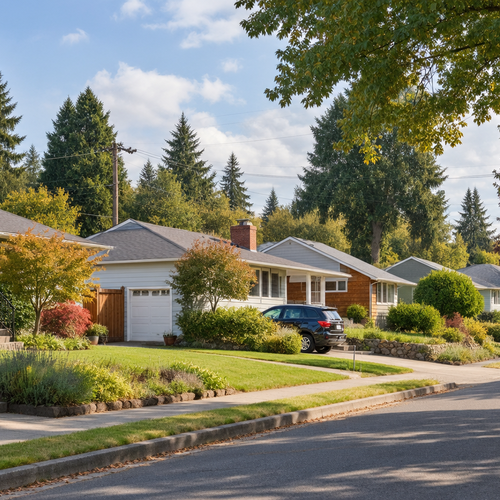



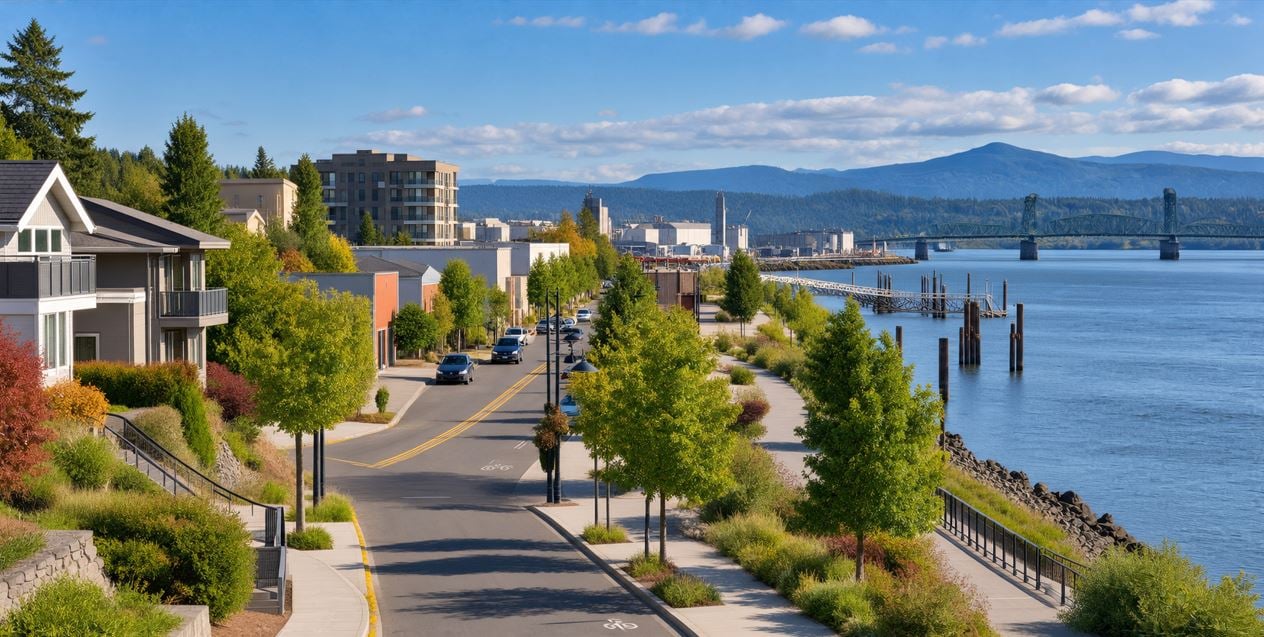
If you're moving to Vancouver, WA, one of the areas worth putting on your comparison list is Columbia Way. This part of Vancouver sits along the Columbia River and has a different feel from many of the city's traditional residential neighborhoods because residential properties are mixed with waterfront, commercial, office and other urban uses.
For relocation buyers, the location is a major part of the story. Columbia Way puts you close to the Vancouver waterfront, Downtown Vancouver, riverfront trails and major transportation corridors. At the same time, the housing options are varied, so it's important to look at the specific property rather than assume every home in the area offers the same experience.
If you're comparing neighborhoods before moving to Vancouver, Columbia Way is an area I would put on the list when waterfront access, proximity to Downtown and a more urban mix of housing and commercial uses are important to you.
EXPLORE HOMES FOR SALE
View homes for sale in Columbia Way:
Columbia Way homes for sale
View all homes for sale in Vancouver, WA:
Vancouver WA homes for sale
Inventory and pricing change regularly, so these live property-search pages are the best place to see what is currently available.
WHAT IS IT LIKE LIVING IN COLUMBIA WAY IN VANCOUVER?
Columbia Way is a waterfront-oriented area on the south side of Vancouver, with the Columbia River forming an important part of its setting. The City of Vancouver identifies the neighborhood as an area with mixed-use zoning, including commercial, office and residential development.
That mixed-use character is one of the things that distinguishes Columbia Way from a conventional residential subdivision. Depending on the particular property, you may be looking at a condominium, townhouse, apartment-style property or detached home rather than one consistent housing pattern throughout the neighborhood.
The waterfront is also a meaningful part of daily life here. The Columbia River Renaissance Trail runs along the river and connects Downtown Vancouver with other waterfront destinations. For buyers who expect to use the riverfront regularly for walking, biking or simply getting outside, that location is worth paying attention to.
One thing I tell relocation buyers is to look beyond the neighborhood name. In Columbia Way, the exact location of the property can make a noticeable difference in what you see, how you get around and which amenities are most convenient.
WHERE IS COLUMBIA WAY LOCATED?
Columbia Way is located along Vancouver's southern waterfront, just south of Downtown Vancouver and alongside the Columbia River.
The neighborhood is connected to the broader Vancouver transportation network through Columbia Way and nearby major roads, including State Route 14. SR 14 is an important east-west corridor connecting Downtown Vancouver with communities such as Camas and Washougal and providing connections to I-5 and I-205.
The location also puts Columbia Way close to several distinct parts of Vancouver:
- Downtown Vancouver is immediately north and provides access to Esther Short Park, downtown businesses and the Vancouver Waterfront.
- Vancouver Waterfront Park sits along the Columbia River and connects into the riverfront trail system.
- Marine Park is farther east along the river and includes a city-operated boat launch.
- Riverview and Evergreen-area neighborhoods are farther east along the Columbia River.
- Portland is directly across the Columbia River, making the river crossings an important consideration for anyone commuting between Southwest Washington and Oregon.
For relocation buyers who regularly travel between Vancouver and Portland, I recommend testing the actual route during the hours you expect to commute. The distance on a map doesn't tell the whole story, particularly when bridge traffic is involved.
HOMES IN COLUMBIA WAY
The housing in Columbia Way is more varied than you might expect from the name of a single neighborhood.
You'll find a mixture of attached and detached residential properties, including condominiums and townhome-style housing as well as single-family residences. Some properties are part of established developments, while other portions of the waterfront area have seen newer residential construction and redevelopment.
The broader area also contains buildings from different development periods, so buyers shouldn't expect one uniform architectural style or construction era.
When you're looking at a home here, I would pay particular attention to:
- Whether the property is detached or part of a condominium or townhome community
- The age and condition of the building
- Recent renovations and major system updates
- Garage and parking arrangements
- Outdoor space
- The property's exact relationship to the riverfront
- Potential views and surrounding development
- HOA structure and what it covers, when applicable
- The mix of residential and commercial uses immediately surrounding the property
For condos and townhomes especially, the HOA documents deserve a close review. Dues, reserves, insurance, maintenance responsibilities and rules can vary from one community to another.
HOW MUCH DO HOMES COST IN COLUMBIA WAY?
I don't recommend relying on a single neighborhood price range when you're researching Columbia Way because the properties here can differ substantially in type, size, condition, location and amenities.
Pricing can be affected by:
- Property type
- Square footage
- Condition and updates
- Lot or outdoor space
- Parking and garage arrangements
- River or territorial views
- HOA structure
- Exact location within the Columbia Way area
- Current inventory and market conditions
The most useful way to understand today's pricing is to look at the properties actually on the market.
See current homes for sale in Columbia Way:
View current Columbia Way listings
That live search provides current inventory and asking prices rather than relying on an outdated neighborhood estimate.
PARKS, TRAILS & THINGS TO DO NEAR COLUMBIA WAY
The Columbia River is the obvious geographic feature here, but the real benefit for buyers is how many recreation and public spaces connect to it.
Columbia River Renaissance Trail
The paved Columbia River Renaissance Trail runs for roughly five miles between Esther Short Park and Wintler Park, passing through several waterfront destinations along the way. It provides opportunities for walking, biking, jogging and enjoying the riverfront.
For someone considering Columbia Way, this is more than a nearby attraction. It is part of the physical connection between the neighborhood, Downtown Vancouver and other waterfront areas.
Vancouver Waterfront Park
Vancouver Waterfront Park is located directly along the river south of Downtown. The park includes paved paths, open lawn areas, viewpoints and access to the waterfront trail system.
The Waterfront area also includes restaurants, shops, residential development and other commercial uses, so it has become an important part of Vancouver's connection to the river.
Marine Park
Marine Park is farther east along SE Columbia Way and includes more than 50 acres of parkland as well as Vancouver's city-operated boat launch. It connects with the Columbia River Renaissance Trail.
For buyers who spend time around the river or have boating interests, having this kind of public waterfront infrastructure nearby is worth considering.
Esther Short Park and Downtown
The Columbia River Renaissance Trail begins at Esther Short Park in Downtown Vancouver. Esther Short is a five-acre downtown park with paved paths, open lawn, play areas and space for community events.
That connection is one of the practical advantages of Columbia Way: Downtown and the waterfront aren't separate destinations. They are physically connected through the riverfront trail system.
SCHOOLS SERVING COLUMBIA WAY
Columbia Way is within the Vancouver Public Schools district.
I would not recommend assuming a particular school assignment based only on the neighborhood name. Attendance boundaries can vary by property address and can change over time, so the exact address should be checked before making a purchase decision.
School boundaries and assignments can change. Buyers should verify current school assignments directly with the school district.
COMMUTE & GETTING AROUND
Location is one of Columbia Way's biggest considerations for anyone moving to Vancouver.
The neighborhood sits close to Downtown Vancouver and the Columbia River, with access to SR 14 and connections toward I-5 and I-205. SR 14 is an important transportation corridor through Vancouver and east toward Camas and Washougal.
For Portland commuters, the biggest variable isn't simply the number of miles between the two cities. Crossing the Columbia River means bridge traffic can have a major effect on the trip depending on the time and day.
Portland International Airport is also across the river in Oregon, while Pearson Field is located near Vancouver's downtown area.
If you're relocating for work, I strongly recommend doing an actual test commute before buying. Drive the route at the time you expect to leave home and return. That gives you a much better understanding of what the location will feel like in your normal routine.
PROS & CONSIDERATIONS OF LIVING IN COLUMBIA WAY
Reasons Buyers May Consider
Waterfront access. The Columbia River and the Columbia River Renaissance Trail are defining features of the area.
Close to Downtown Vancouver. Columbia Way puts you near Downtown, Esther Short Park and the Vancouver Waterfront.
Different housing options. The area includes a mixture of housing types rather than one standardized subdivision.
Access to recreation. The riverfront trail connects several parks and waterfront destinations.
Portland proximity. The location can make sense for buyers who want to live in Washington while remaining connected to Portland and Oregon.
Urban development. The waterfront and surrounding Downtown area have experienced substantial redevelopment, creating a mixture of established properties and newer development.
Things to Consider
Mixed-use surroundings. Columbia Way isn't exclusively residential. Commercial, office and other urban uses are part of the area's character.
Property-by-property differences. Housing types, building ages, parking, outdoor space and surrounding development can vary considerably.
Bridge traffic. If you commute into Oregon, the Columbia River crossings need to be considered as part of your daily routine.
HOA considerations. Some of the area's attached residential properties are governed by homeowners or condominium associations. Buyers should review the specific association documents and financials before purchasing.
Changing waterfront environment. Continued development around the Vancouver waterfront means buyers should pay attention not only to the property itself but also to the surrounding area and planned development.
SHOULD YOU CONSIDER COLUMBIA WAY IF YOU'RE MOVING TO VANCOUVER?
Columbia Way is worth considering if your priorities include being near the Columbia River, having access to waterfront trails, staying close to Downtown Vancouver and having a wider mix of housing options.
It may also be worth comparing with other Vancouver neighborhoods if your priorities are more focused on a traditional residential setting, a particular type of lot or a specific commute.
That's where I think a neighborhood comparison becomes useful. Instead of asking whether Columbia Way is simply "good" or "bad," I would look at the things that actually affect your decision: your budget, the type of home you want, your commute, how often you'll use the waterfront, how close you want to be to Downtown or Portland, and what property characteristics matter most.
Once we know those priorities, we can compare Columbia Way with other parts of Vancouver and the surrounding area and see where the differences actually matter.
SEE HOMES IN COLUMBIA WAY
View homes currently for sale in Columbia Way:
See Columbia Way homes for sale
View all homes for sale in Vancouver, WA:
See all Vancouver WA homes for sale
Don't see the right home? Inventory in individual neighborhoods can be limited. Jamie can also help identify nearby neighborhoods with similar homes, locations and amenities.
MOVING TO VANCOUVER OR THE SURROUNDING AREA?
If you're researching a move to Vancouver, WA, don't stop with one neighborhood.
Jamie Meushaw's YouTube channel has a growing library of videos covering cities, neighborhoods, local real estate, relocation, Southwest Washington and the Portland Metro area. It's another way to get familiar with the area before you start making decisions about where to live.
Watch Jamie Meushaw Real Estate on YouTube:
Jamie Meushaw Real Estate on YouTube
WORK WITH JAMIE
When you're relocating, the biggest challenge usually isn't finding a house online. It's figuring out which location and property actually make sense for the way you live.
I help buyers compare cities, neighborhoods, housing options, commutes, property types and locations so we can narrow down what fits your priorities. With 30 years of real estate experience and licenses in Washington and Oregon, I can also help you look at the Vancouver-Portland area from both sides of the river.
If you're still deciding where to focus your search, that's a conversation I'm happy to have before you start making offers.
Book a Strategy Call:
Book a Strategy Call with Jamie
Call / Text: (360) 798-7127
Email: [email protected]
Website:
Jamie Meushaw Real Estate
Check out this article next