


Where Exactly Is St. Johns?
St. Johns occupies the northern tip of the Portland peninsula — the landmass formed by the confluence of the Willamette and Columbia Rivers — in North Portland, Multnomah County, Oregon. It sits at the end of North Lombard Street, bounded by the Willamette River to the east, the Columbia Slough and industrial land to the north, and the University of Portland campus anchoring its southern edge. The neighborhood is connected to the Sauvie Island corridor and the broader North Portland residential fabric by Lombard, and to the rest of the city by the iconic St. Johns Bridge — a gothic suspension bridge completed in 1931 that is, without serious competition, the most beautiful bridge in Oregon and one of the most photographed structures in the Pacific Northwest.
St. Johns was an independent city before it was annexed by Portland in 1915, and that history of autonomous identity is still visible in the way the neighborhood functions — a real downtown on North Lombard, a business district that serves the community it sits in rather than the one it wants to attract, and a resident base that organizes around the neighborhood's interests with the kind of collective investment that annexed communities typically lose within a generation of annexation but that St. Johns has somehow maintained across more than a century.
Portland International Airport is approximately 10 to 16 miles from St. Johns, typically a 20 to 30 minute drive depending on traffic and your specific route — across the Columbia Boulevard corridor and east toward PDX without significant navigational complexity. For frequent travelers, households with family in other states, or any buyer who places practical value on airport access, St. Johns delivers a commute to PDX that most Portland neighborhoods cannot match. The proximity is genuine and consistent, and it is one of the underappreciated practical advantages of living at the northern end of the city rather than in the inner eastside or southwest neighborhoods that carry more name recognition.
What Your Money Gets You: Homes at Every Price Point
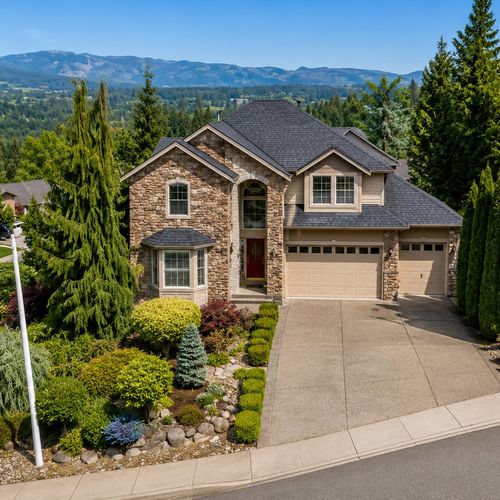
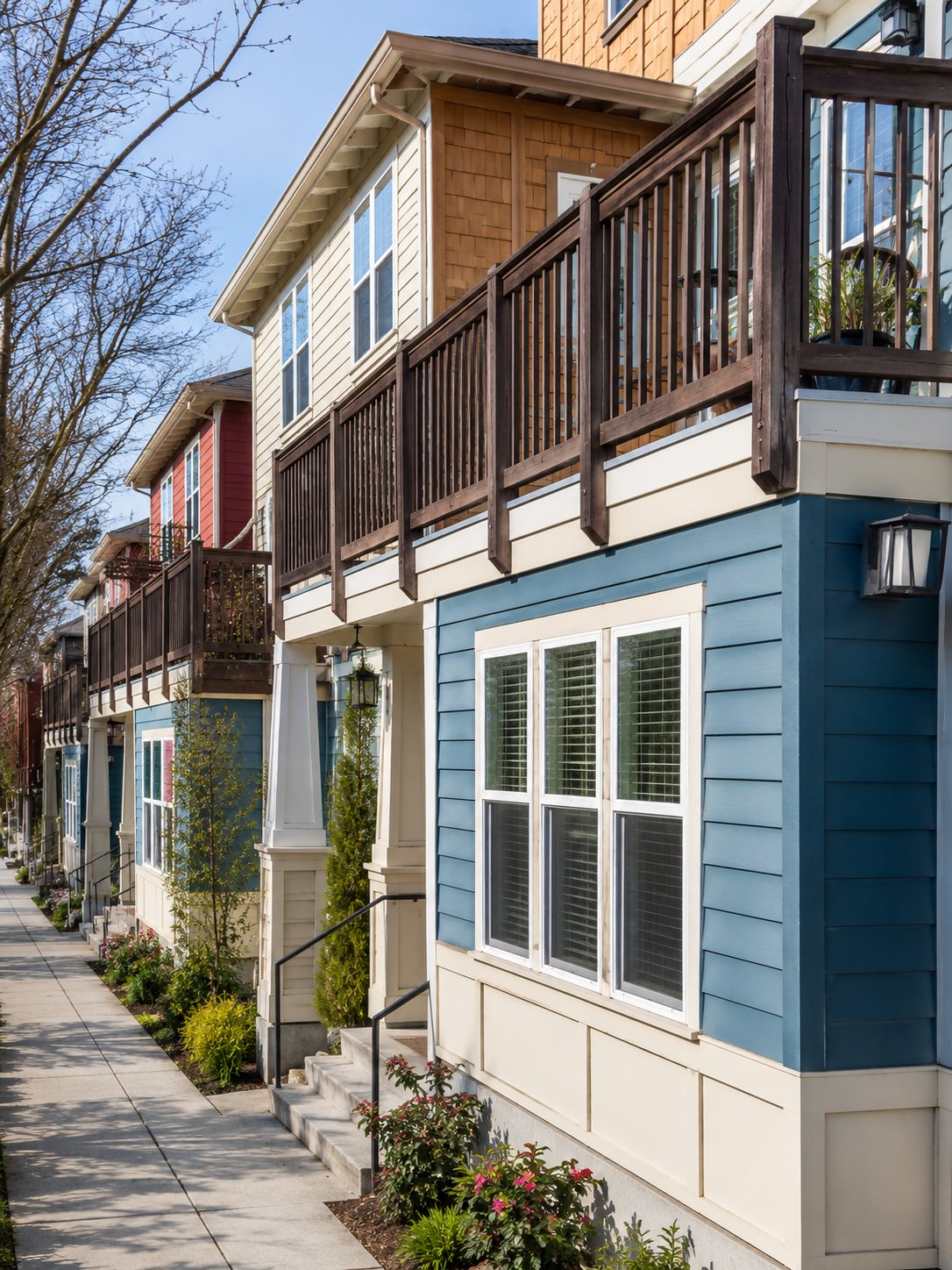
St. Johns is a neighborhood in active transition — not the frantic, displacement-heavy transition of inner Southeast Portland in the 2010s, but a slower, more considered evolution driven by buyers who found the neighborhood before the broader market caught up with it and who have been investing in properties with genuine care and intention. The housing stock is a mix of early 20th century Craftsman and bungalow architecture, mid-century residential construction, and more recent infill that ranges from thoughtful to generic depending on who built it and when. The lots tend to be more generous than inner Portland neighborhoods, the streets are tree-lined in the way that older residential neighborhoods earn over decades, and the walkability to the St. Johns downtown corridor gives residents a pedestrian connection to their neighborhood that most outer Portland communities cannot offer.
Here is a realistic look at what different price points deliver in this market:
$375,000 – $490,000 Entry-level St. Johns delivers older single-family homes — primarily 1910s through 1940s bungalows and Craftsman-influenced structures — in the 900 to 1,400 square foot range. Two to three bedrooms, one bath in most cases, and the kind of original architectural detail — wood floors under carpet, built-in cabinetry, covered front porches, and the proportion of rooms that mid-century construction lost — that buyers who appreciate older homes find genuinely compelling beneath surface-level condition. Maintenance at this price point is variable. Some homes have been held by long-term owners who understood what they had and cared for it accordingly. Others carry the deferred work that accumulates on properties held too long without attention, and the inspection report will tell you honestly which one you are dealing with. The value here is in the bones, the lot, and the location — buyers who can evaluate structure over surface consistently find opportunity in this range that buyers shopping for visual presentation overlook entirely.
$490,000 – $625,000 This is the most active and most telling price band in the St. Johns market, where the neighborhood's value proposition becomes most clearly readable against the broader Portland context. Homes in this range tend to be updated or thoughtfully maintained single-family properties in the 1,200 to 1,800 square foot range — two to three bedrooms, one to two baths, kitchens that have been addressed with genuine intention rather than flipped for resale margin, and yards that take advantage of St. Johns' lot sizes in ways that feel like a different city than the inner eastside neighborhoods trading at similar or higher prices. Some homes at the upper end of this range have been renovated with real care — original woodwork preserved and refinished rather than painted over, baths updated without erasing the home's period character, kitchens opened and modernized without destroying the layout that made the house work in the first place. These are the properties that reflect the best of what the neighborhood's renovation wave has produced, and they represent compelling value against almost anything else in the Portland market at the same price.
$625,000 – $800,000 Homes at this level represent the strongest residential product St. Johns currently offers — fully renovated or custom-upgraded properties where owners have invested seriously in bringing early 20th century structures to a contemporary living standard without surrendering the architectural character that makes them worth preserving. Three bedrooms, two baths, kitchens and primary baths rebuilt at a level that competes directly with new construction on function and finish while retaining the proportions, the woodwork, and the street presence that newer builds cannot replicate. Lots in this range tend to be the deepest and most usable in the neighborhood, with outdoor spaces that reflect the Pacific Northwest's relationship with outdoor living — covered decks, established gardens, privacy landscaping that has had decades to mature. For buyers coming from the inner eastside or from higher-cost markets who want a fully realized property in a neighborhood with genuine identity and a clear upward trajectory, this range delivers the most complete version of what St. Johns offers.
$800,000 and above The upper end of the St. Johns market is defined by the most extensively transformed properties in the neighborhood — homes where significant capital has been applied with architectural intelligence, where additions have been executed in a way that honors the original structure, and where the combination of location, lot, finish level, and neighborhood positioning justifies the price for buyers who have been specific about what they want from a Portland address. These properties are not common in St. Johns, which reflects both the neighborhood's still-evolving market position and the genuine scarcity of properties where every element comes together at this level simultaneously. When they surface, they attract buyers who have been watching the neighborhood long enough to understand what they represent.
Median home price in St. Johns: The median sits in the $490,000 to $560,000 range — a figure that positions St. Johns as one of the more accessible inner Portland neighborhoods with a genuine downtown and walkable commercial corridor, while still reflecting the appreciation trajectory that the neighborhood has sustained over the last decade. Relative to inner Southeast Portland, the Pearl District, or NW Portland at comparable property sizes and architectural quality, St. Johns consistently delivers more per dollar — and the gap between its current pricing and the neighborhoods it competes with qualitatively continues to narrow in ways that make the timing of a purchase here meaningful.
What About Renting in This Area?
The St. Johns rental market is active in a way that reflects the neighborhood's growing desirability — more inventory than a rural community but tighter than outer Portland corridors, with well-priced properties in good condition finding tenants quickly and the best options moving before they have been broadly marketed. The mix of rental housing here includes single-family homes, older duplexes and triplexes that reflect the neighborhood's early 20th century development pattern, and newer apartment construction that has come online along the Lombard corridor as the neighborhood's commercial strip has grown.
Single-family rentals in St. Johns typically run between $1,900 and $3,100 per month depending on size, condition, proximity to the downtown corridor, and recency of renovation. A two to three bedroom home in solid condition with a usable yard rents around $1,900 to $2,500. A larger, updated three to four bedroom home with quality finishes and meaningful outdoor space pushes into the $2,500 to $3,100 range. Apartments and smaller units in the neighborhood start around $1,200 to $1,800 for studio and one-bedroom configurations, with two-bedroom apartments in newer buildings running $1,700 to $2,300.
The neighborhood's rental market benefits from its proximity to the University of Portland, which creates a baseline of consistent demand that stabilizes vacancy rates year-round. For investors, that dynamic is worth understanding. For renters, it means well-priced inventory at the quality end of the market competes rather than sits, and being organized and decisive when something appropriate surfaces is the right posture regardless of how much runway your relocation timeline appears to offer.
Things to Do In and Around St. Johns
St. Johns delivers an outdoor and cultural amenity set that is both locally rooted and surprisingly far-reaching — a combination of the neighborhood's own assets, the Columbia River corridor immediately to the north, and the broader Portland cultural infrastructure accessible to the south.
Cathedral Park is the neighborhood's defining outdoor asset and one of the most genuinely beautiful urban parks in the Pacific Northwest — a riverside green space directly beneath the gothic towers and suspension cables of the St. Johns Bridge, where the geometry of the bridge overhead and the Willamette River at the water's edge create a setting that photographers and residents return to repeatedly because it rewards every visit differently depending on the light, the season, and the tide. Summer concerts in the park, the Cathedral Park Jazz Festival, and the simple act of sitting at the water's edge on a clear evening make this park not just a neighborhood amenity but a legitimate destination. For residents, having it minutes from home is one of the quiet daily privileges of living in St. Johns.
The St. Johns Bridge itself is worth acknowledging as a daily visual and experiential asset in a way that most bridges are not — crossing it on foot or by bicycle, watching it from the riverbank below, or simply having it frame the view from the neighborhood's elevated streets is a recurring reminder that you chose to live somewhere with genuine beauty built into its infrastructure.
Smith and Bybee Wetlands Natural Area is one of the largest urban wetlands in the United States, accessible from the northern edge of the St. Johns area and delivering one of the most surprising natural experiences available within a major American city — a boat launch, walking trails through wetland habitat, kayaking and canoeing through open water channels, and wildlife encounters that feel improbable for a location this thoroughly surrounded by urban development. Great blue herons, bald eagles, painted turtles, and migratory waterfowl use this corridor in numbers that make every visit feel different from the last.
The 40-Mile Loop Trail runs through the St. Johns area and connects to the broader Portland trail network — a multi-use path system that links the Columbia and Willamette River corridors and gives residents car-free movement through the northern Portland landscape in both directions along the river.
Marine Drive Trail along the Columbia River south bank is accessible from the neighborhood and provides one of the most open and visually distinctive cycling and walking experiences in the Portland metro — wide river views, Mount Hood and Mount St. Helens on clear days, and the expansive horizon that most Portland neighborhoods cannot offer from anywhere within cycling distance.
The St. Johns downtown corridor along North Lombard and Philadelphia Street functions as a genuine neighborhood commercial district — independently owned businesses, a weekend farmers market, local bars and coffee shops, and the kind of street-level activity that reflects a community investing in its own center rather than waiting for outside developers to do it. First Fridays in St. Johns, the seasonal events that the community organizes through its own networks, and the consistent presence of residents who use the downtown as an actual daily resource rather than an occasional destination give the corridor an energy that feels earned rather than manufactured.
University of Portland anchors the neighborhood's southern edge and brings the cultural programming, athletic events, and campus environment that a university presence contributes to the surrounding community — lectures, performances, access to campus trails and green space, and the institutional stability that a major university provides to the residential fabric around it.
Sauvie Island is 15 to 20 minutes from St. Johns and delivers one of the most complete rural day-trip experiences accessible from any major American city — farmland, wildlife refuge, clothing-optional beaches along the Columbia, berry and pumpkin picking in season, and the kind of natural landscape that provides genuine contrast to urban daily life without requiring any meaningful travel. For St. Johns residents, it is local in a way that it is not for anyone living in inner Southeast or Southwest Portland.
Columbia River Gorge is 30 to 40 minutes east and delivers the full outdoor corridor — waterfall hikes, Hood River, Cape Horn, Dog Mountain — that makes the Portland metro one of the great outdoor-access cities in North America. From St. Johns, the eastern approach to the Gorge is as direct as it gets from a Portland address.
Downtown Portland is 20 to 30 minutes by car or accessible via the TriMet bus network on North Lombard — the full urban infrastructure of the city including the Pearl District, the waterfront, concert venues, professional sports at Moda Center, major medical facilities at OHSU and Legacy Emanuel, and the cultural institutions that make Portland a destination for the broader Pacific Northwest region.
Where to Eat
St. Johns has developed a food and drink scene that reflects its community character — independent, unpretentious, locally committed, and better than its geographic distance from the city's most recognized dining corridors would lead visitors to assume. This is not a neighborhood where celebrity chefs have opened outposts. It is a neighborhood where people who love food and community have built businesses that serve both.
Tulip Bakery is a St. Johns institution in the way that only neighborhood bakeries built on genuine quality and community loyalty can be — pastries, breads, and the kind of morning ritual anchor that a neighborhood commercial district cannot function well without. The line on weekend mornings tells you what you need to know about how the neighborhood feels about it.
Proper Eats brings a farm-to-table sensibility to the St. Johns corridor with a menu that reflects the neighborhood's values — locally sourced, intentionally prepared, and executed at a level that earns repeat visits from residents who have higher expectations than the neighborhood's price point might initially suggest.
Occidental Brewing has established itself as one of the more serious and distinctive craft breweries in North Portland — German-style lagers and ales brewed with genuine technical precision in a taproom that reflects the neighborhood's unpretentious character. A community gathering point that functions for both the dedicated beer drinker and the resident who simply wants a well-made drink in a room that feels like it belongs where it is.
Pattie's Home Plate Cafe is a St. Johns breakfast institution — the kind of diner that earns its regulars over years of consistent execution rather than social media moments, with a community following that reflects how long it has been doing what it does without needing to change what that is.
The Fixin To brings Southern-influenced cooking to the neighborhood with a menu and atmosphere that feels specific to St. Johns in a way that is genuinely difficult to describe but immediately apparent when you walk in — the kind of restaurant that could only exist in a neighborhood with this particular combination of history, community character, and culinary ambition.
Lombard House provides a more elevated dining option on the neighborhood's main commercial corridor — a bar and restaurant that has grown into the role of neighborhood anchor for residents who want a proper evening out without the drive to the inner eastside or the Pearl.
Radius Pizza handles the neighborhood pizza need with a wood-fired approach and a commitment to quality ingredients that places it well above the category its format might suggest. Popular with families, popular with regulars, and the kind of operation that reflects genuine care about what it serves.
Coffee options along Lombard — including several independent cafes that have taken root in the neighborhood's commercial revival — provide the daily coffee infrastructure that urban residential neighborhoods require and that St. Johns delivers with enough variety to develop a genuine preference among residents who have been there long enough to try them all.
The honest framing: St. Johns is a neighborhood where the dining scene is genuinely good and genuinely local, without being extensive or metropolitan in scope. For serious dining nights requiring more variety or higher ambition, inner Northeast Portland, the Pearl District, and the broader Portland restaurant landscape are accessible within a reasonable drive. Most St. Johns residents find that the neighborhood delivers exactly what they need for the majority of their week and that Portland handles the rest without requiring more than occasional effort.
Who Buys in St. Johns?
After nearly three decades working both sides of the river, the St. Johns buyer is one of the most interesting profiles I encounter in the Portland market. They have typically looked at the inner eastside, run the numbers, recognized that the price-to-value equation in neighborhoods like Division and Mississippi no longer works the way it once did, and started looking northward with enough curiosity to find what the people who got here early already knew.
They are Portland professionals and creatives who care about community identity in a way that goes beyond amenity access — they want to live somewhere with genuine character, neighbors who are invested in the same place they are, and a downtown that functions as a real civic center rather than a collection of businesses waiting to be replaced by the next retail cycle. St. Johns delivers that in a way that most Portland neighborhoods have already priced out or developed away.
They are buyers from higher-cost markets — California, Seattle, the Bay Area — who have come to Portland with real equity and enough market sophistication to recognize that the neighborhoods with the most cachet are not always the neighborhoods with the most durable value. They have done the research, they understand the trajectory, and they are buying St. Johns not as a consolation prize for missing the inner eastside but as a deliberate first choice made with clear eyes.
They are outdoor-oriented households for whom Cathedral Park, Smith and Bybee Wetlands, Marine Drive, and the Sauvie Island corridor represent daily quality-of-life assets rather than occasional weekend options. They want to be able to walk to the river, cycle to the wetlands, and drive to the Gorge in under forty minutes — and they have found that St. Johns is one of the few Portland neighborhoods where all three are simultaneously true.
They tend to be buyers who stay. The combination of community investment, neighborhood identity, and the practical reality that St. Johns is still in the middle of its value realization rather than at the end of it means that the buyers who arrive with conviction tend to have the patience that the neighborhood rewards over time.
What You Should Know Before You Commit
St. Johns rewards buyers who engage with it honestly and punishes buyers who project onto it what they want it to be rather than seeing it for what it actually is.
The neighborhood is genuinely in transition — which means it is more interesting and more dynamic than an already-arrived neighborhood, and also means that the blocks immediately adjacent to the commercial corridor vary more in condition and character than they will in ten years. Walking the neighborhood at different times and on different days, including weekday mornings and weekend evenings, is the right due diligence before an offer rather than a post-closing discovery process.
The industrial buffer that separates St. Johns from the broader North Portland residential fabric is real — it contributes to the neighborhood's distinct identity and geographic separation, and it also means that some of the surrounding land use context is working industrial rather than residential, which shows up differently on different properties depending on their orientation and specific location within the neighborhood.
The bus network is the primary transit connection to the rest of the city — St. Johns does not have MAX light rail access, which matters more for some households than others. For buyers who commute by transit to downtown Portland or the eastside, the bus route timing and frequency on North Lombard is worth riding before the purchase rather than assuming it works for your schedule after.
None of these are disqualifying factors for the right buyer. They are the honest context that makes the conversation useful before the offer rather than after.
Thinking About a Home in St. Johns?
The St. Johns market moves with the rhythm of a neighborhood that more buyers are discovering each year — inventory turns and well-priced properties in good condition do not sit while buyers get organized. I work both sides of the river, I know the North Portland market at the level this neighborhood deserves, and I will give you a straight read on what is available, what it is worth, and whether St. Johns is the right fit for the specific life you are building.
See more about St. Johns
Want to learn more about the St.Johns neighborhood and homes?
Homes for sale in St. Johns: https://jamiemeushawrealestate.com/properties/neighborhood-St.%20Johns,%20Portland,%20OR/
Watch more local real estate insights on my YouTube channel:
https://www.youtube.com/@JamieMeushaw
Sign up for my weekly newsletter for real estate tips and market updates:
https://jamiemeushawrealestate.com/newsletter
Check out this article next